
Lipstick
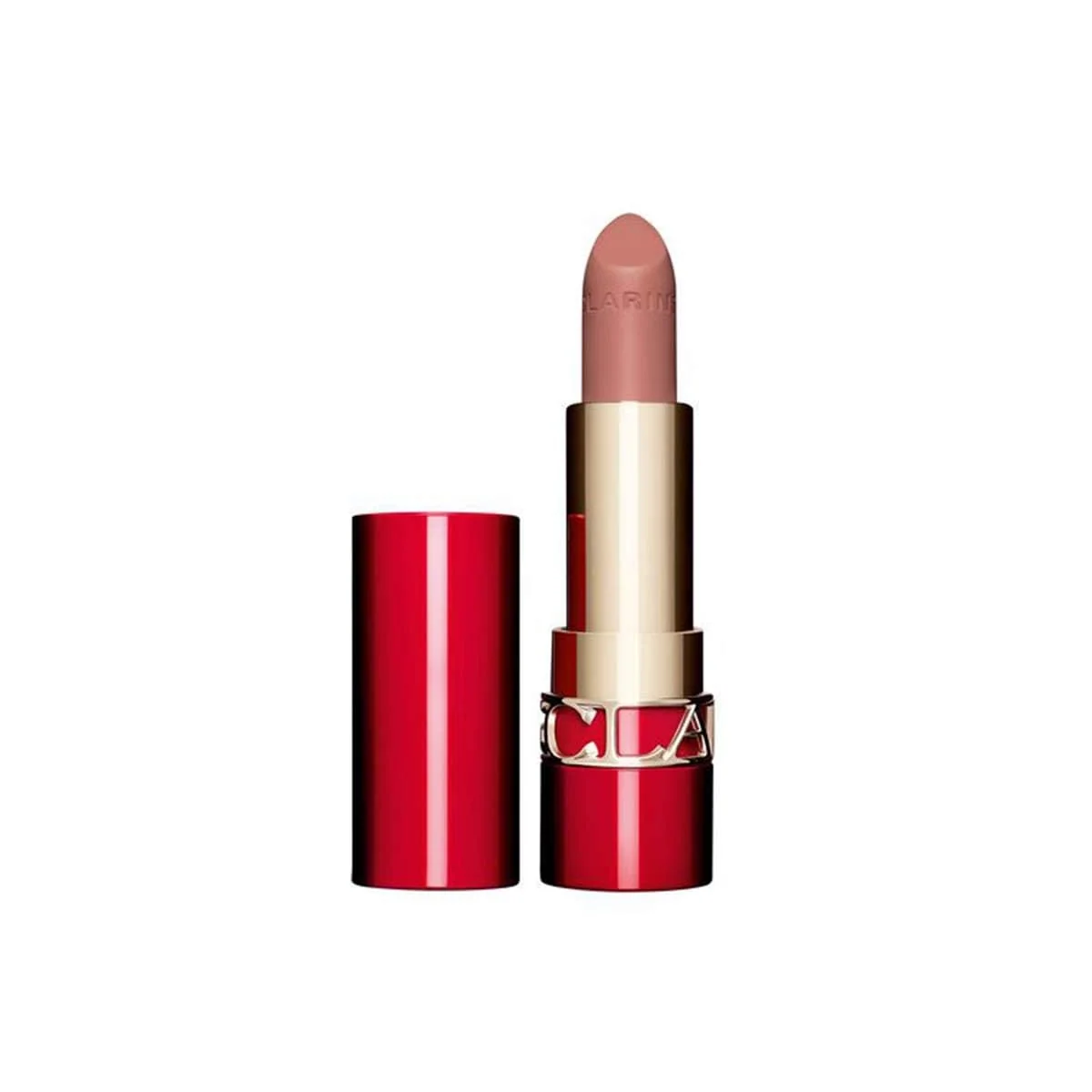
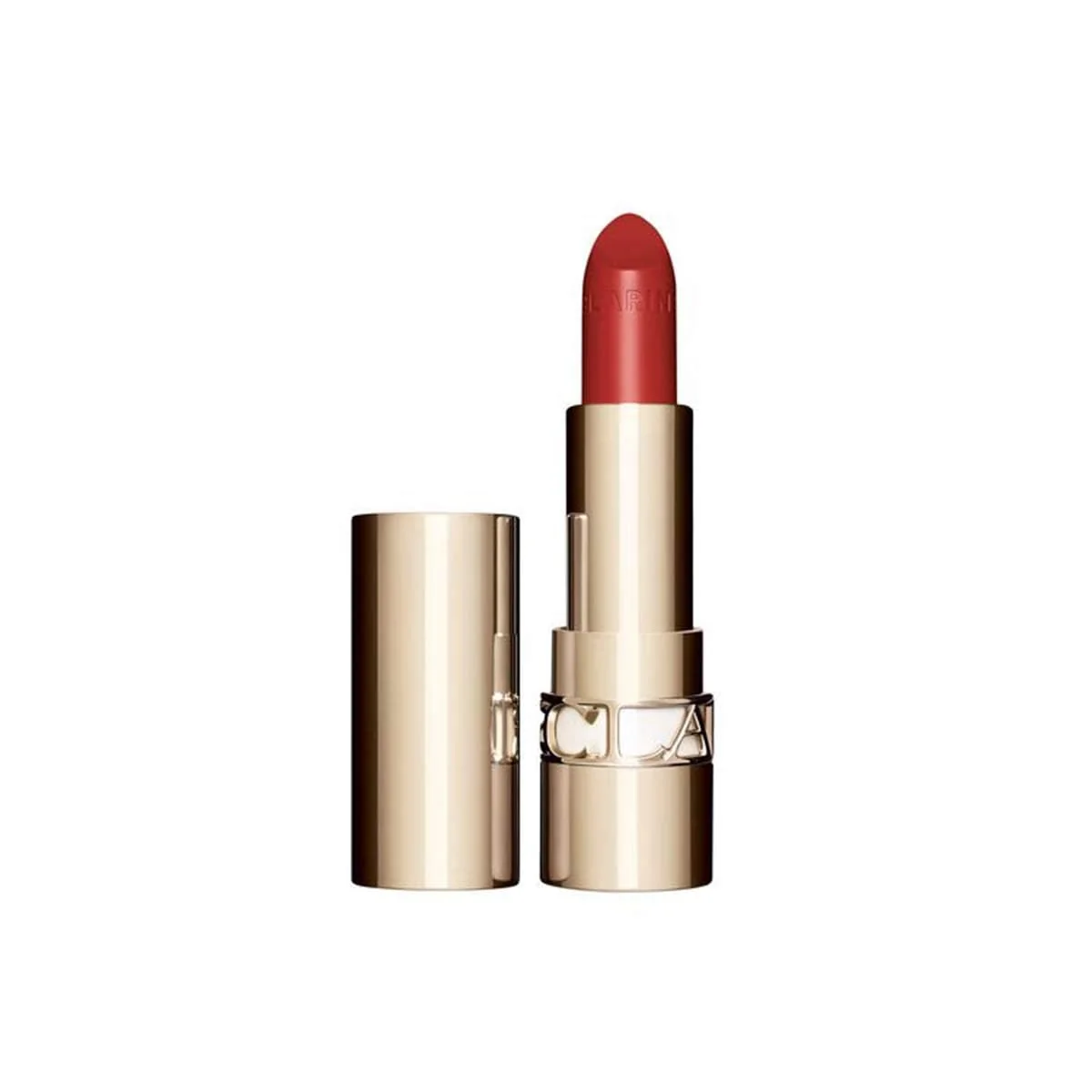
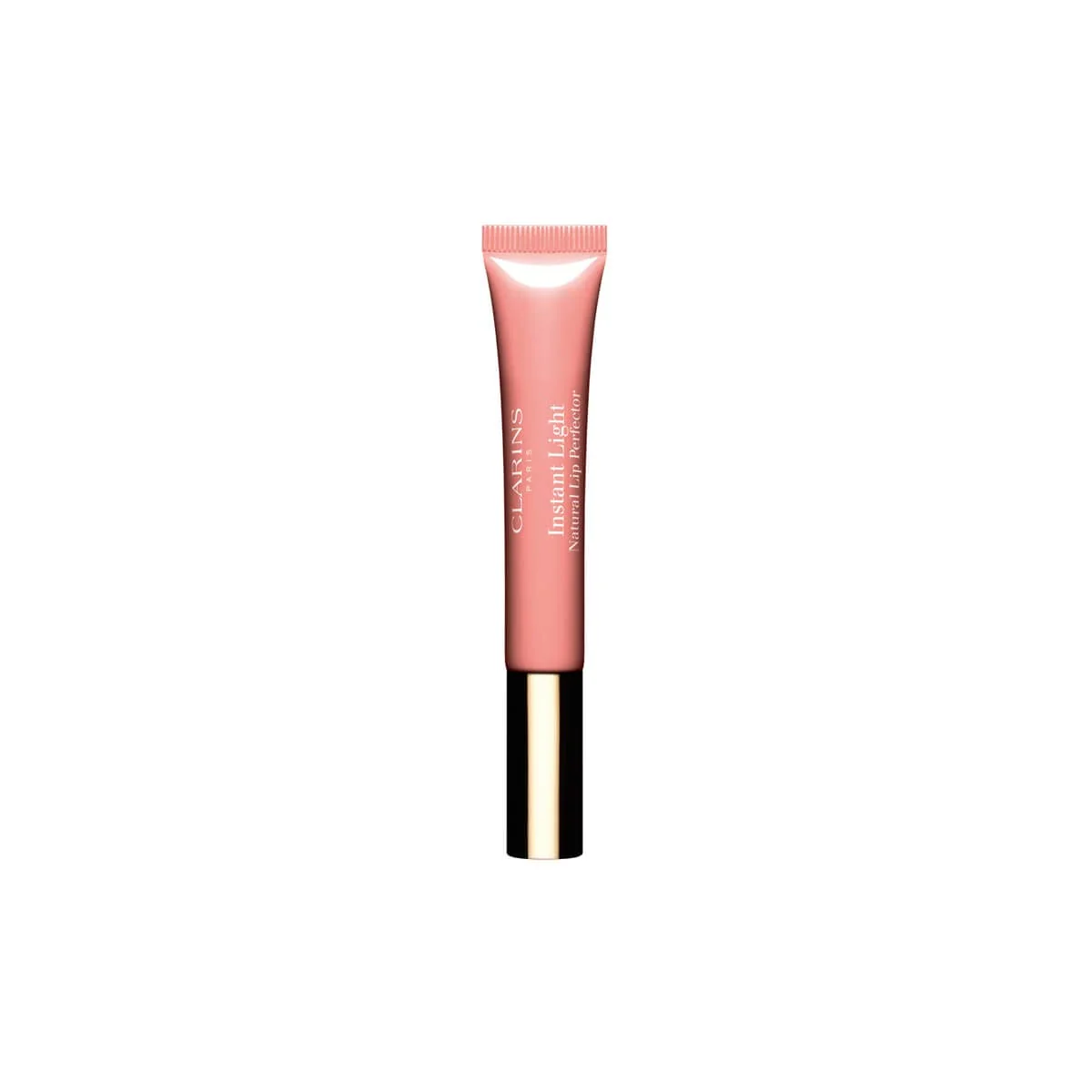
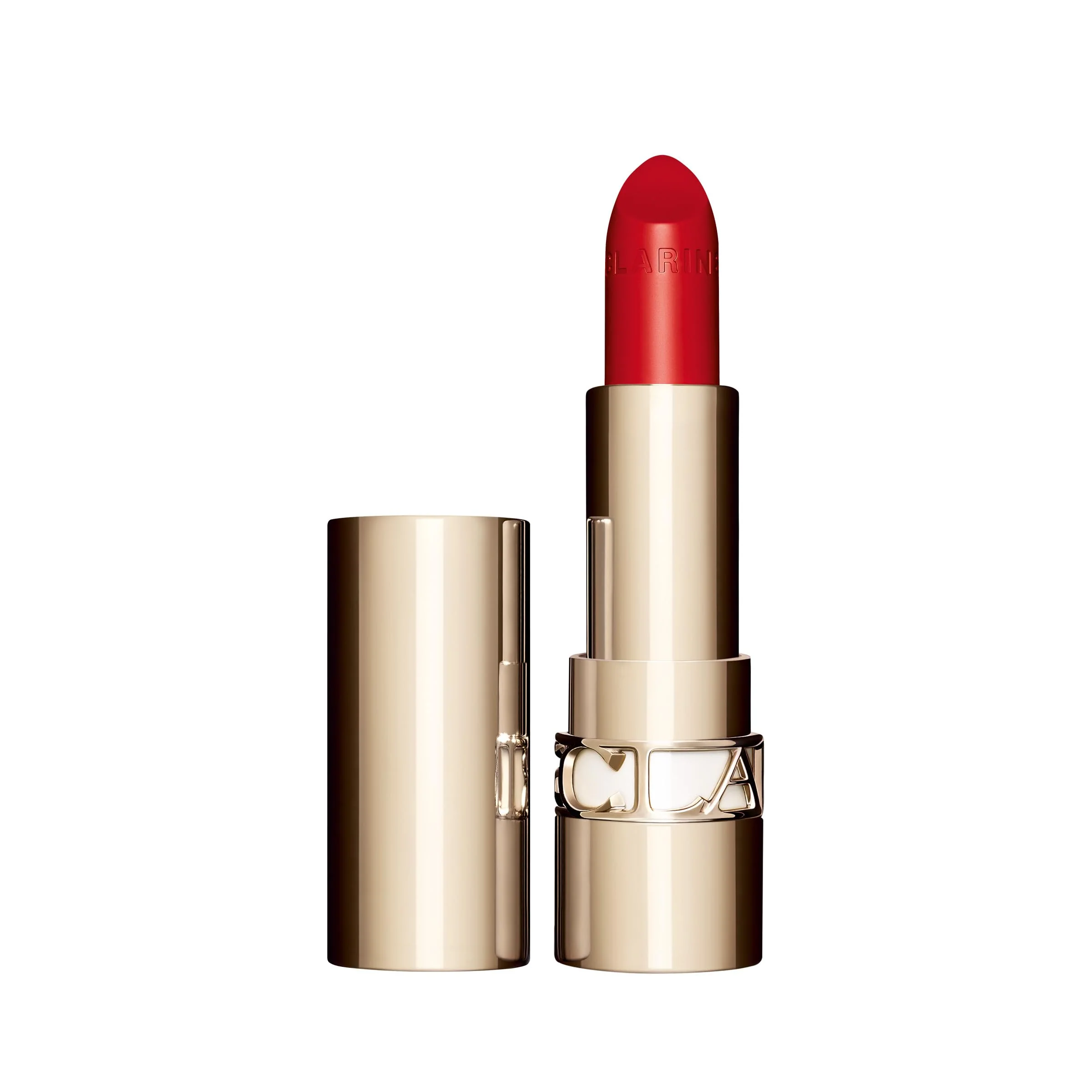

About Lipstick
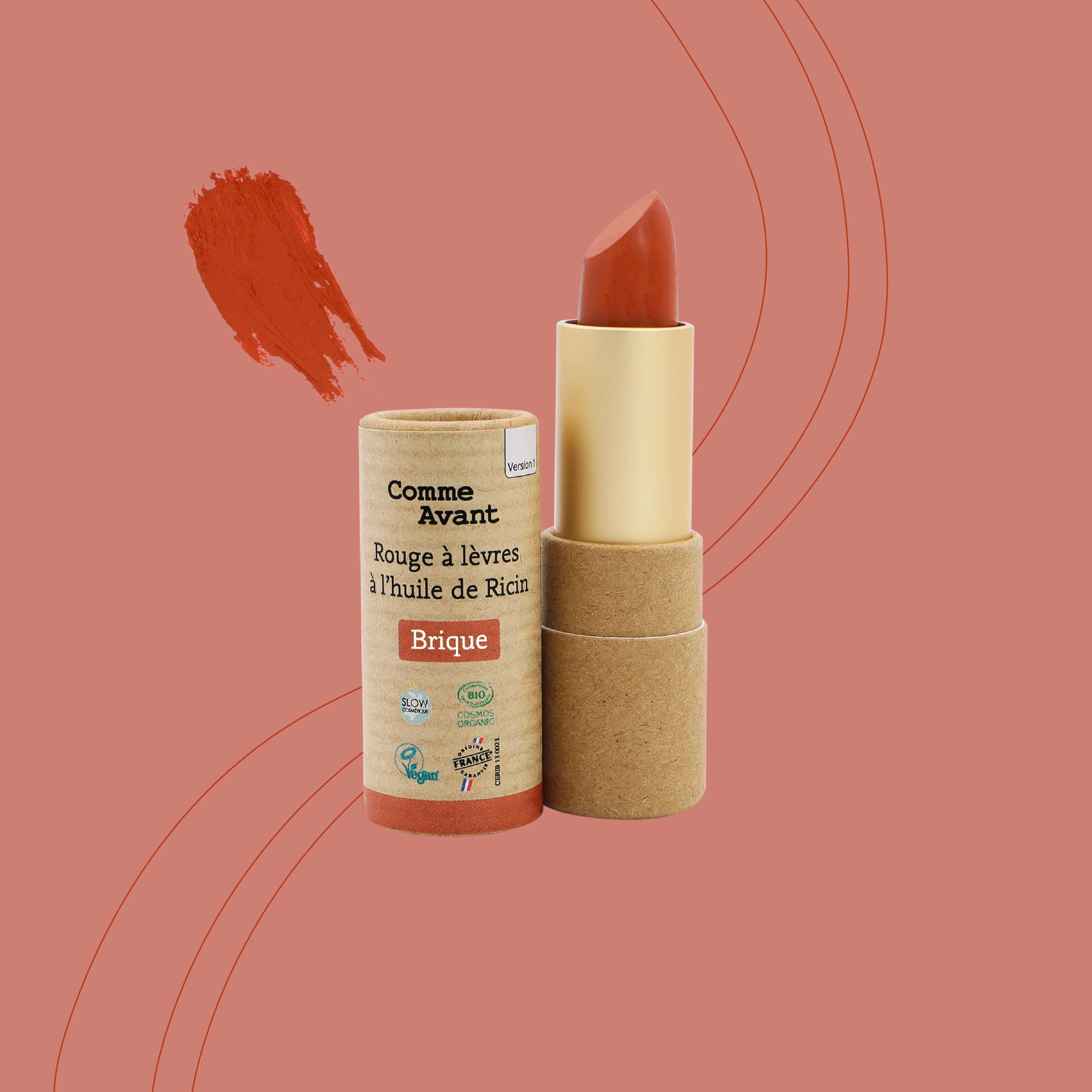
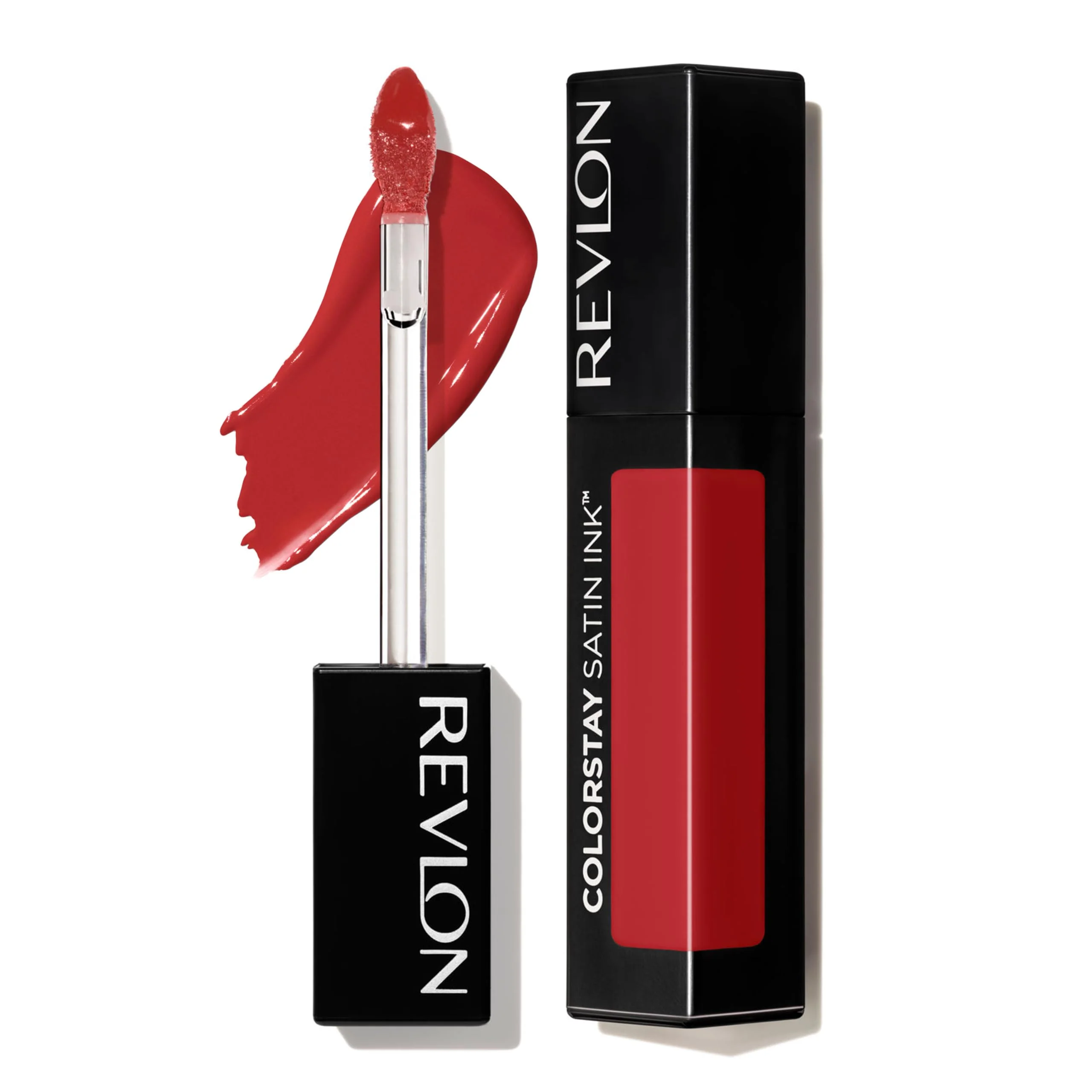
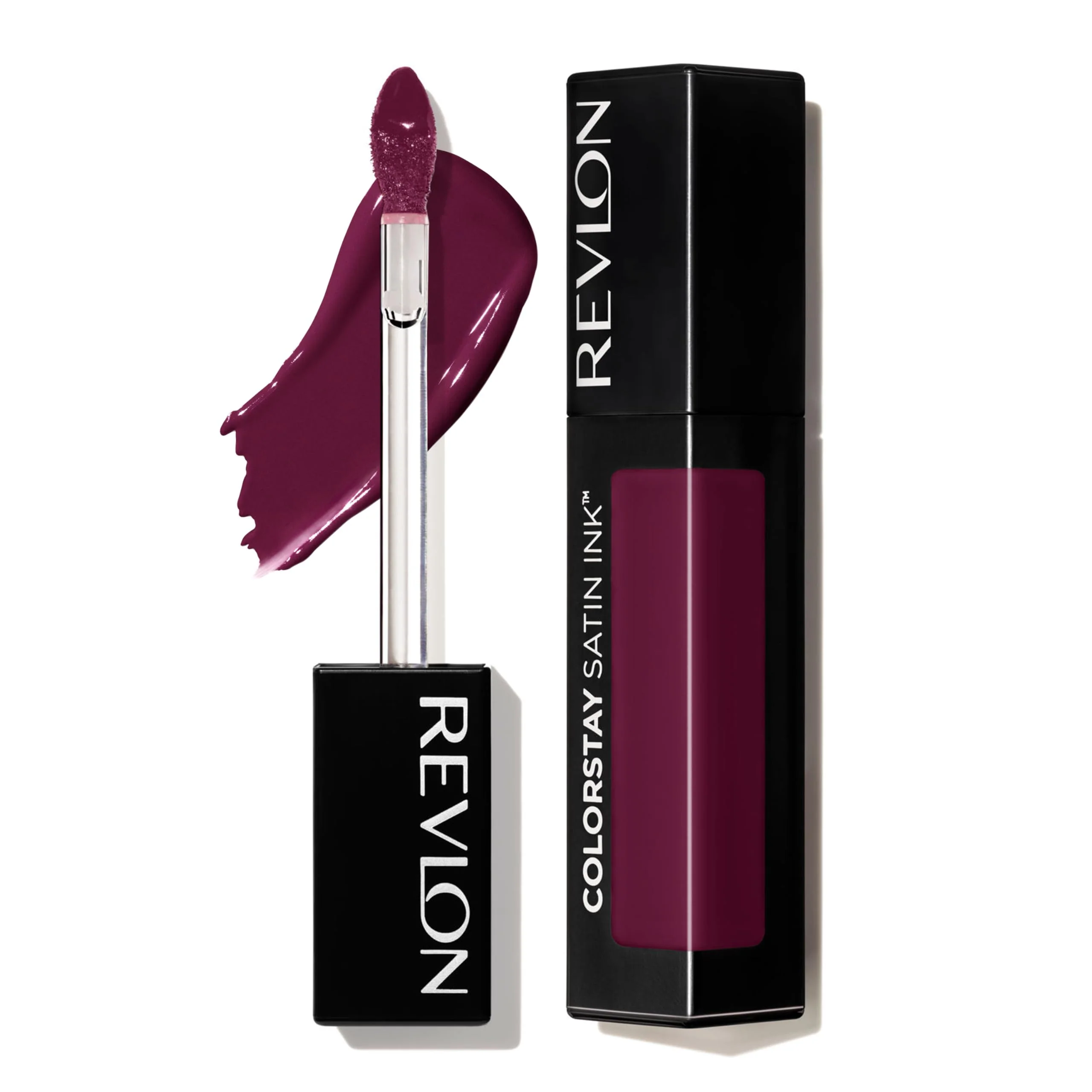
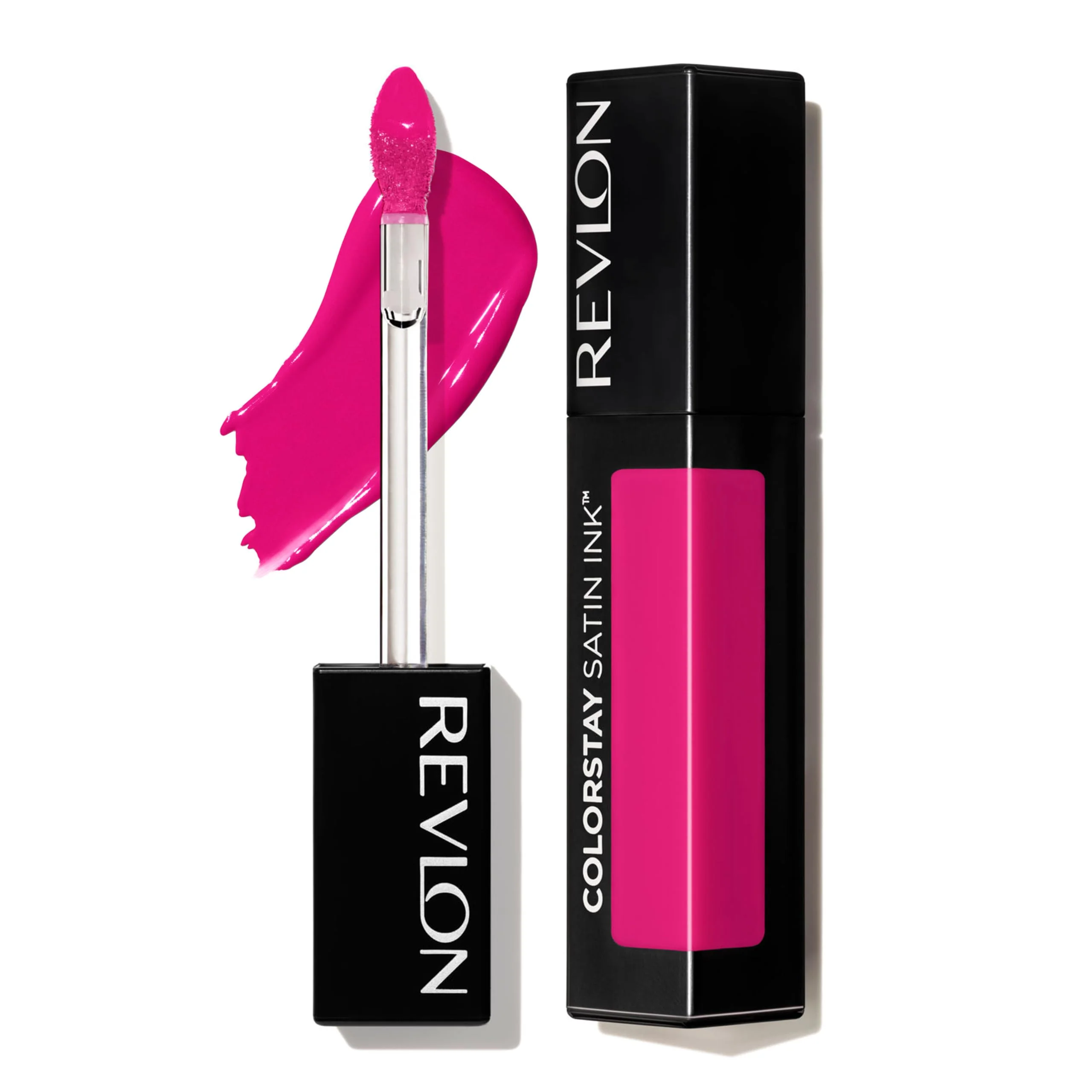
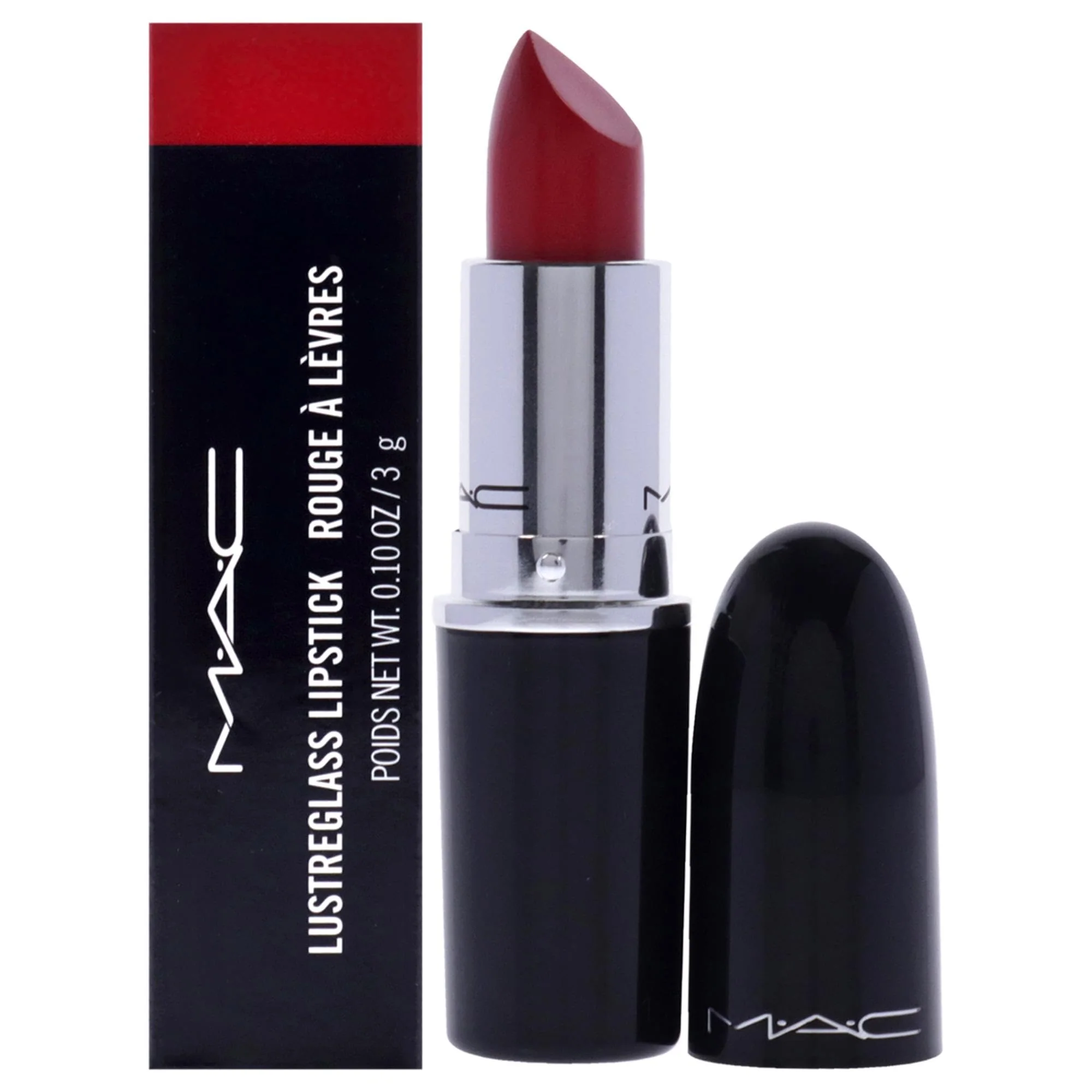
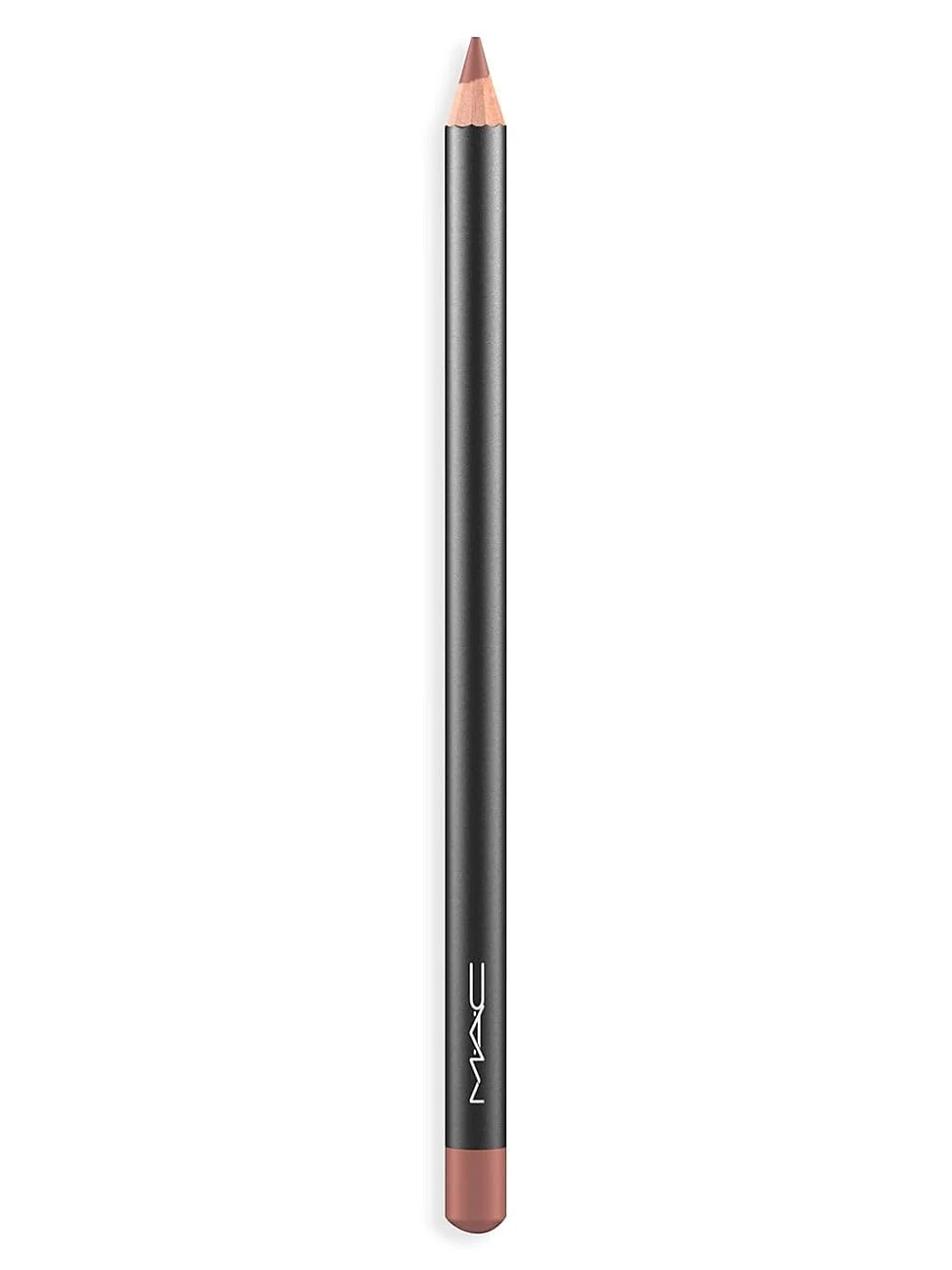
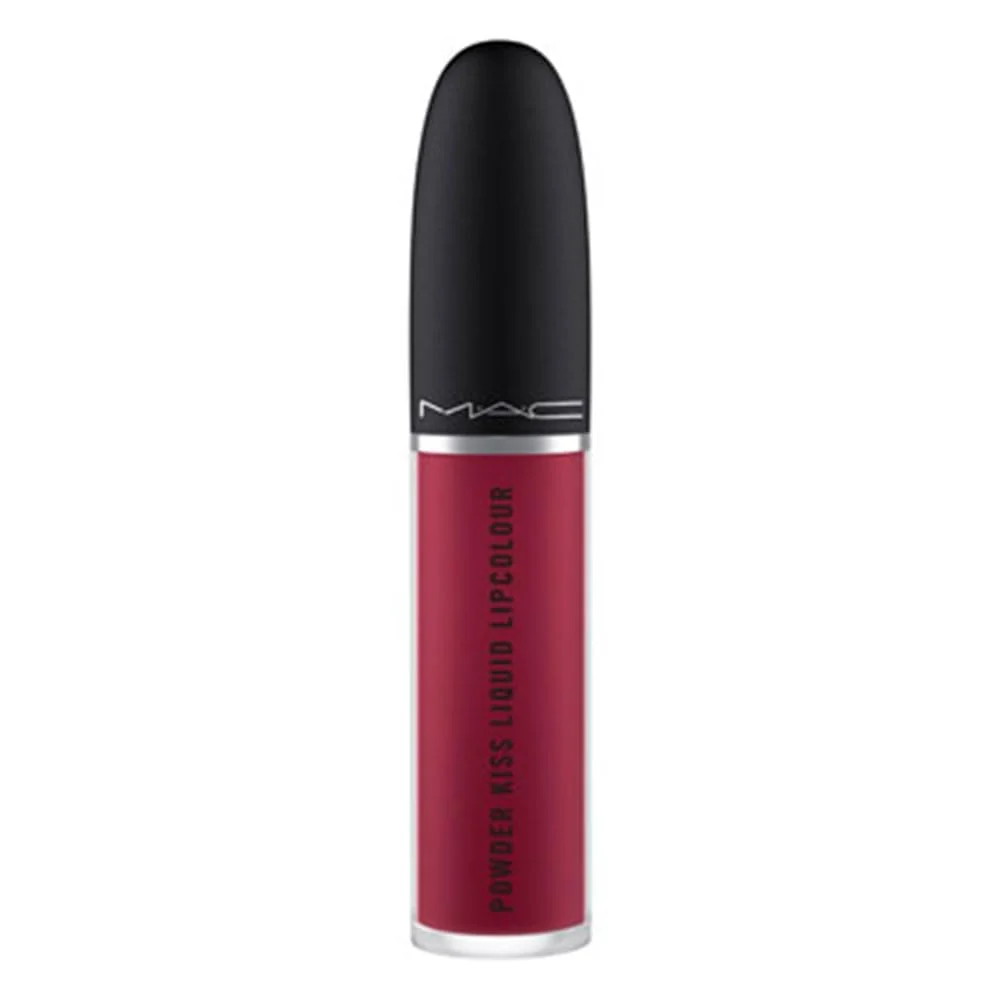
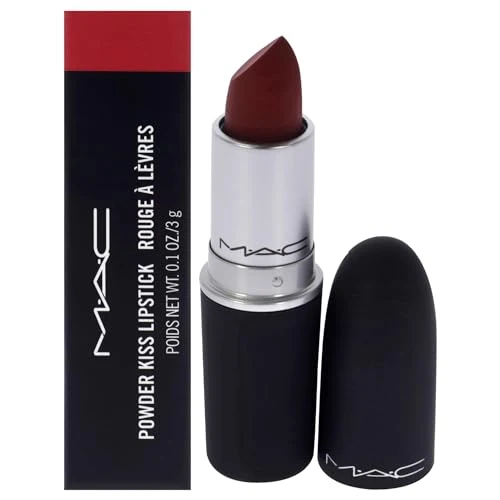
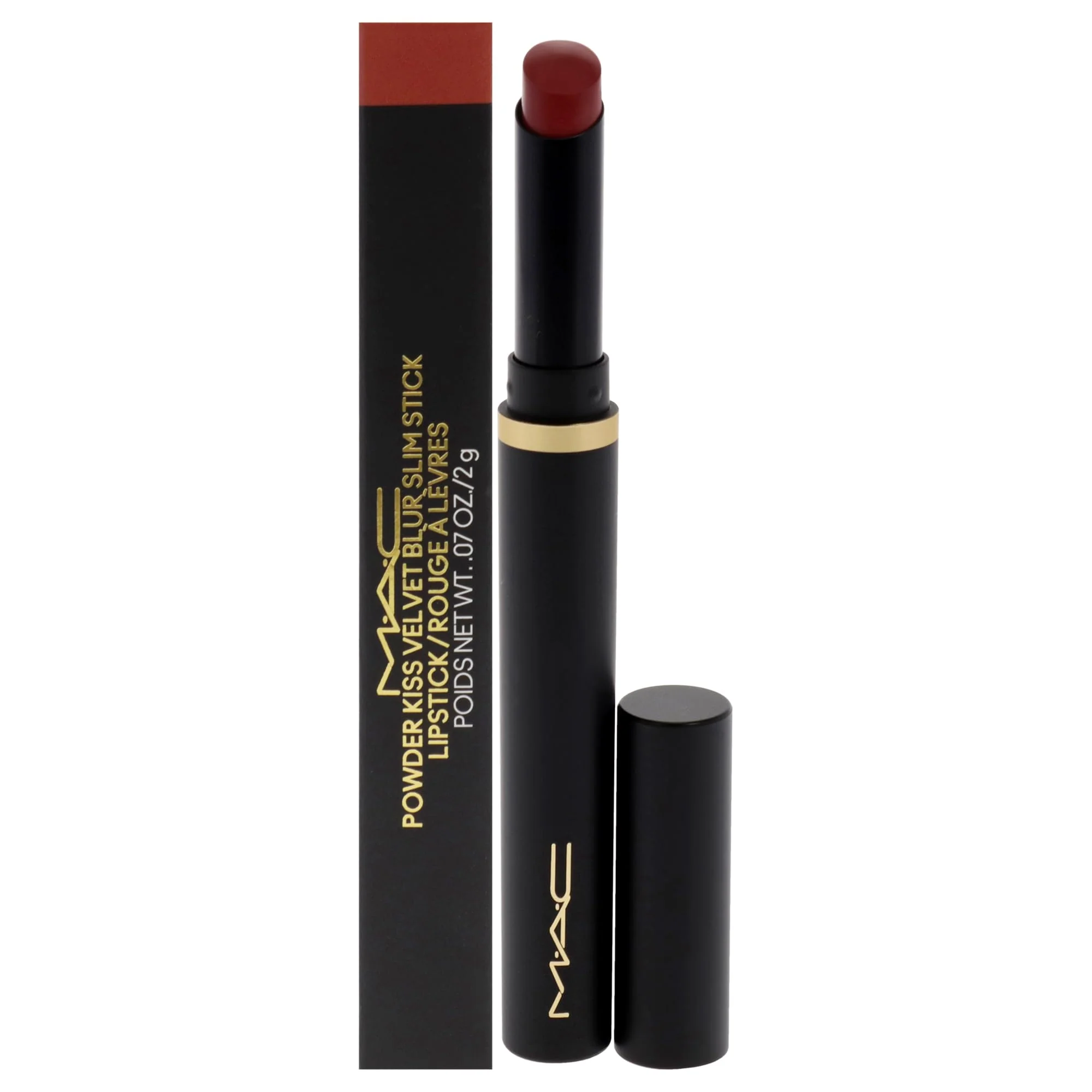
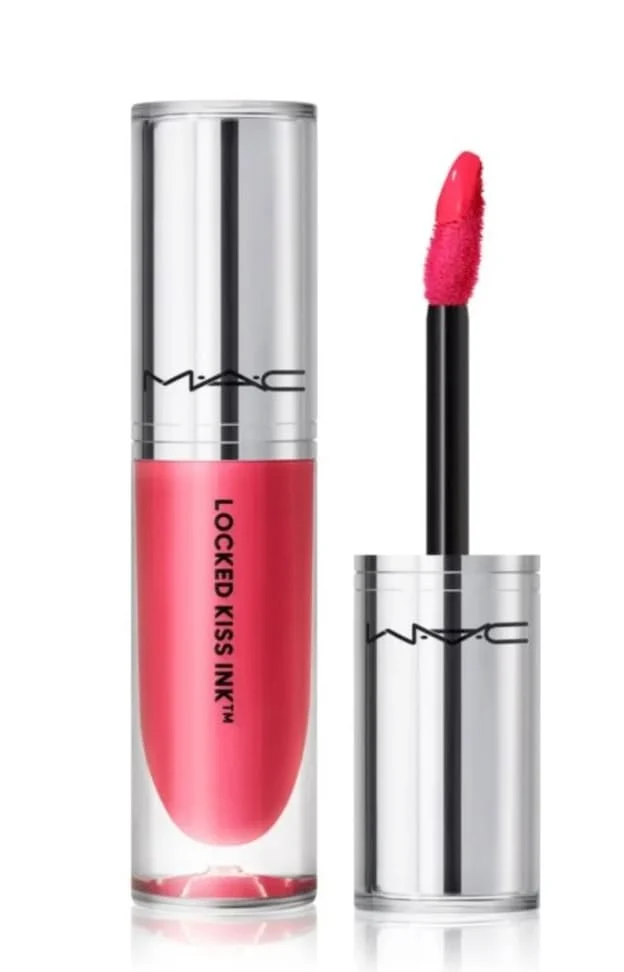
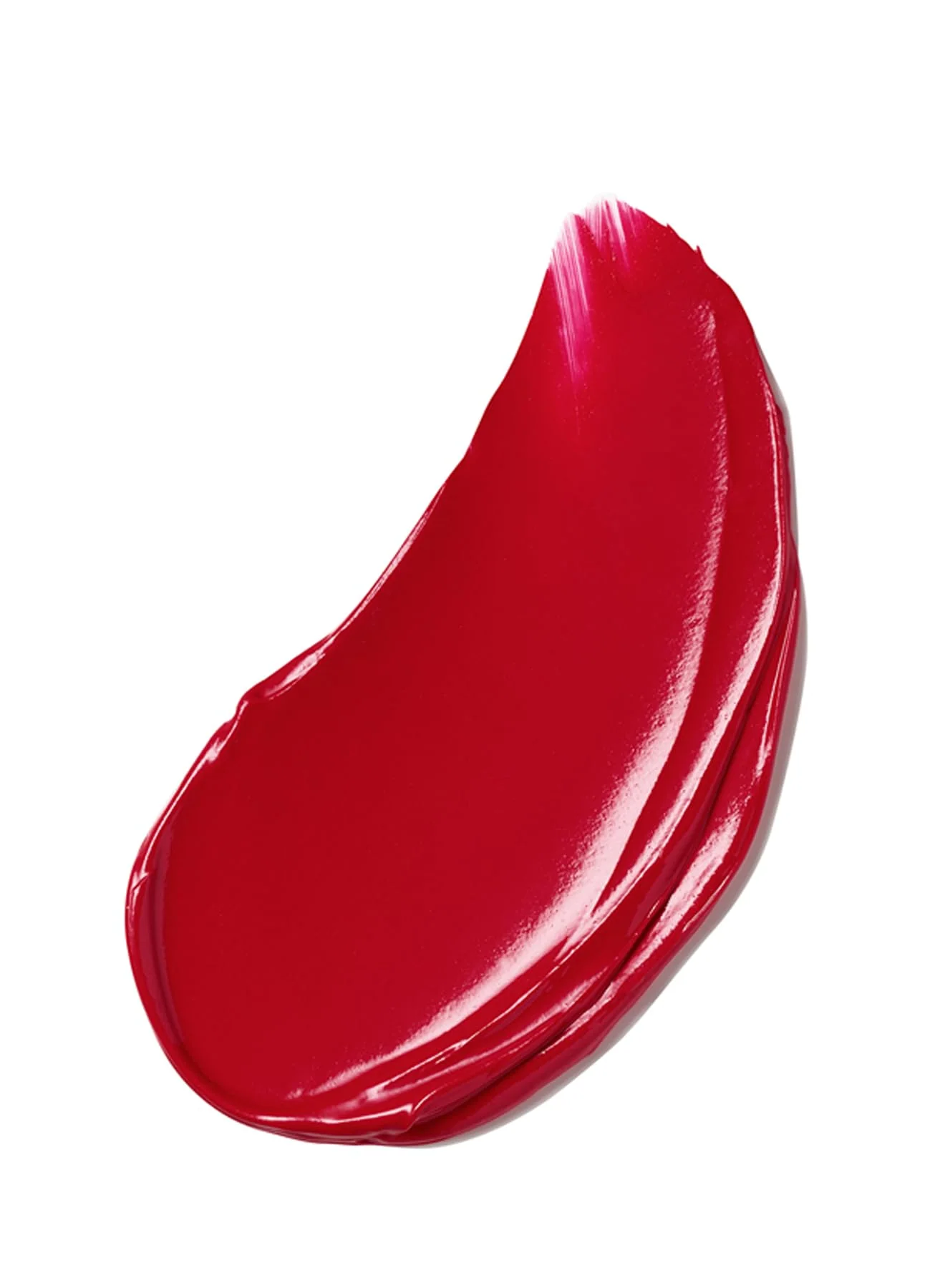
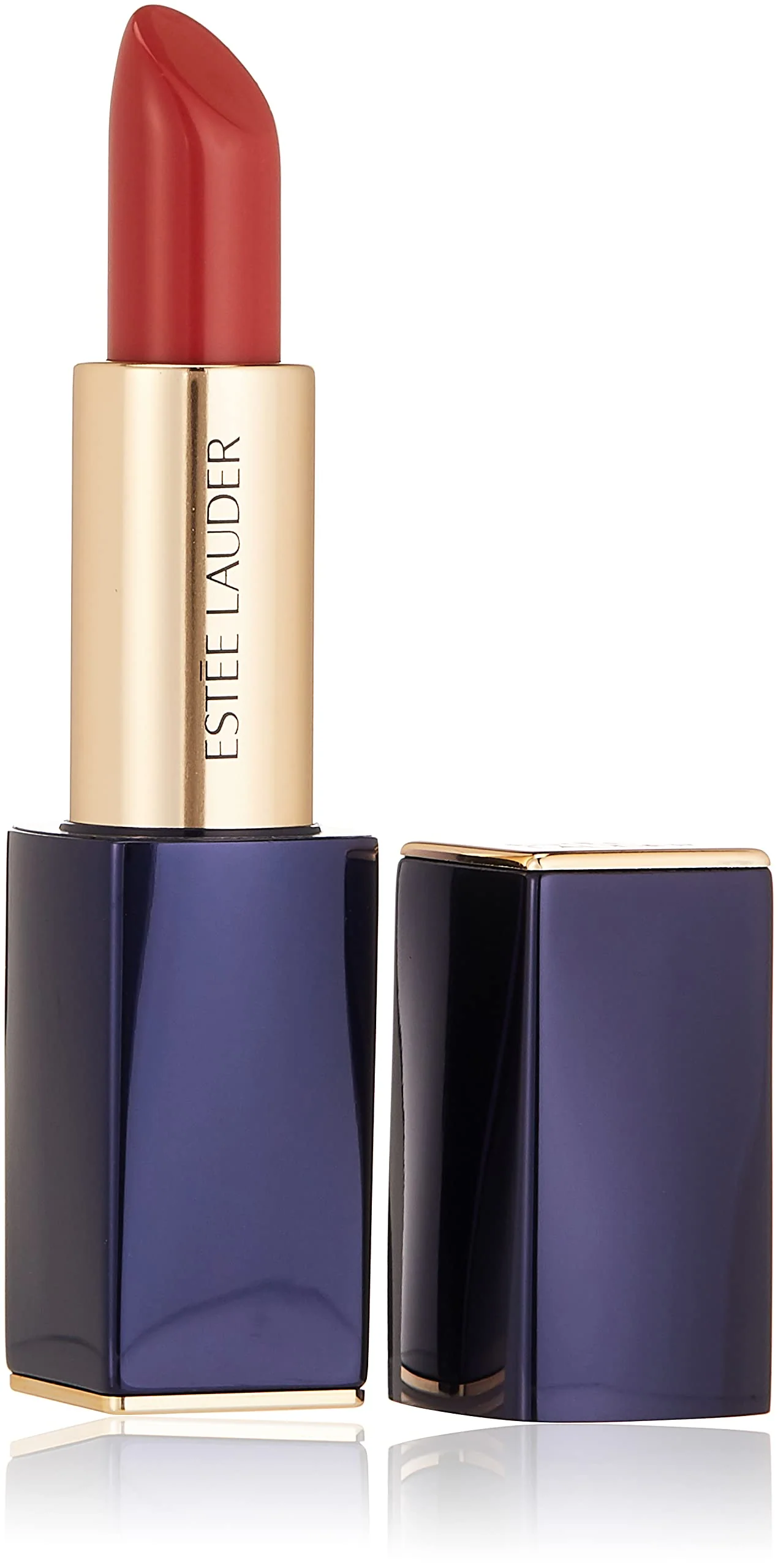
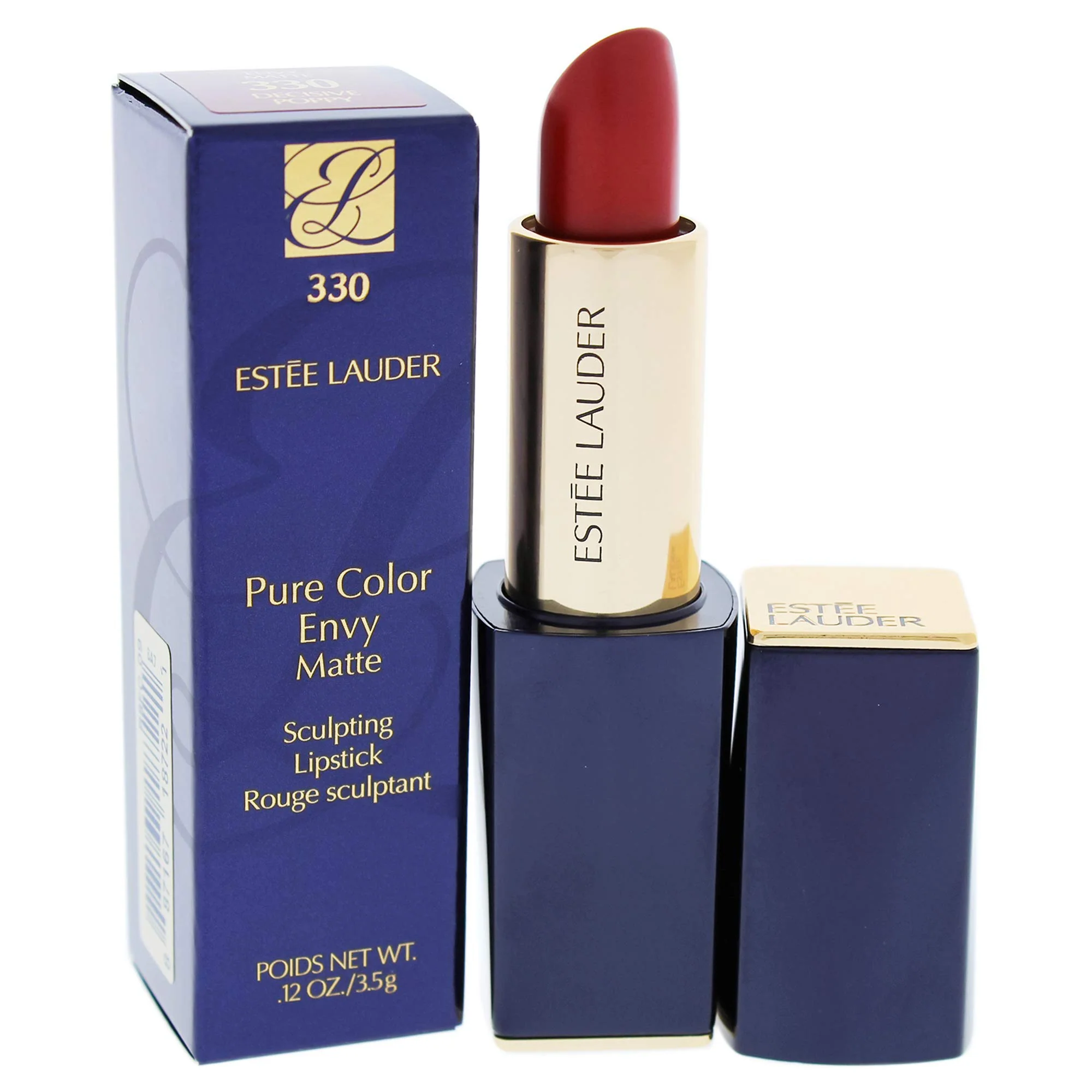
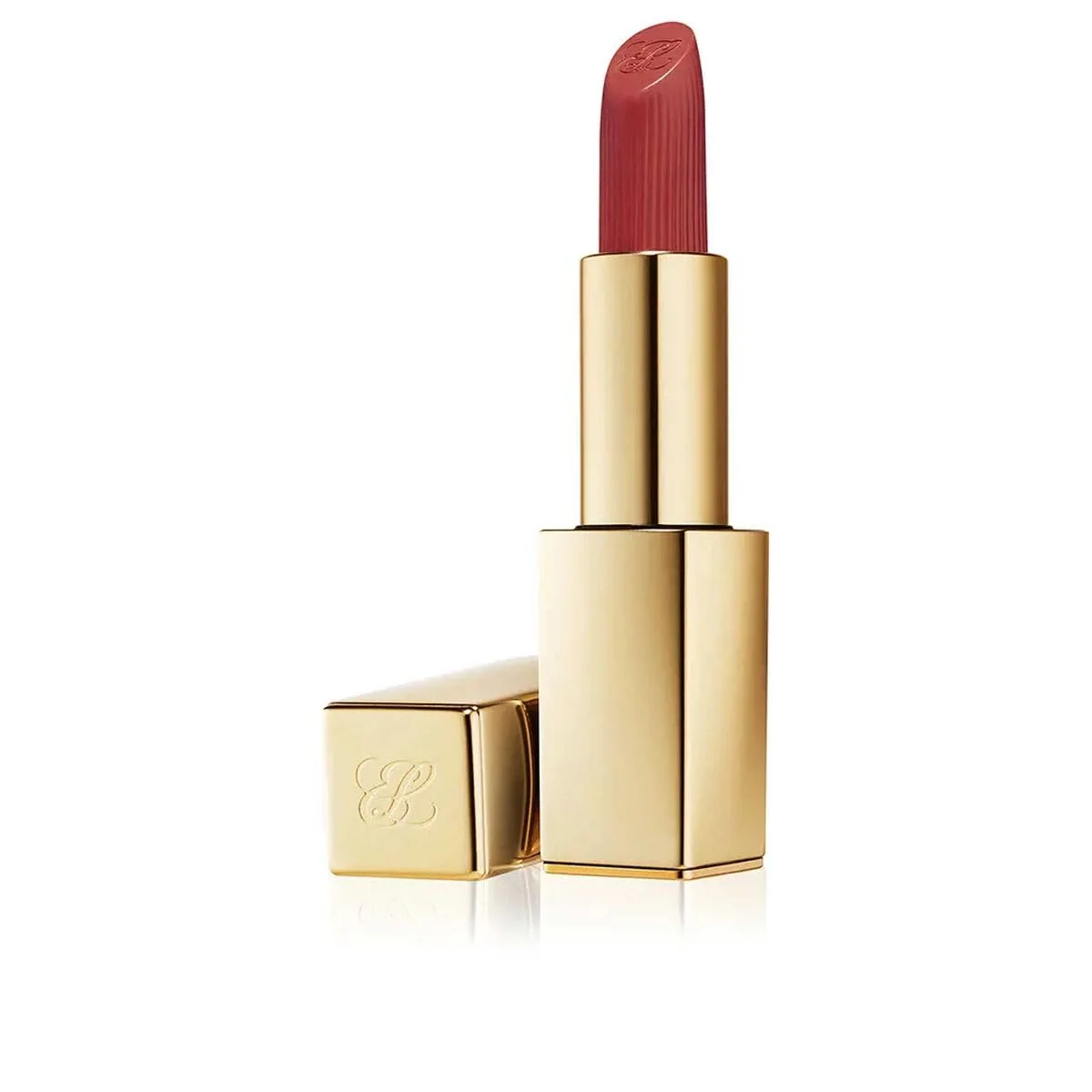
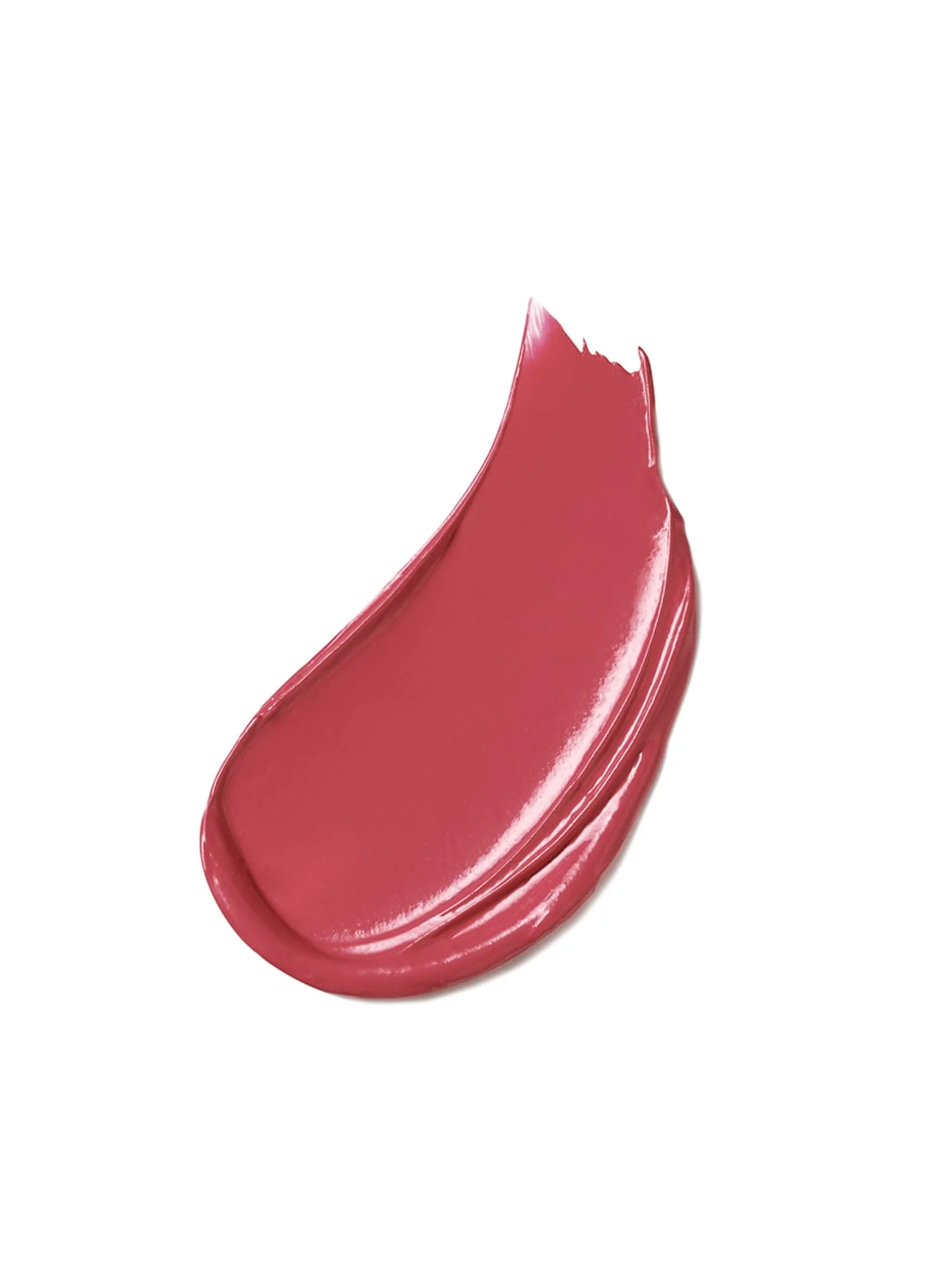
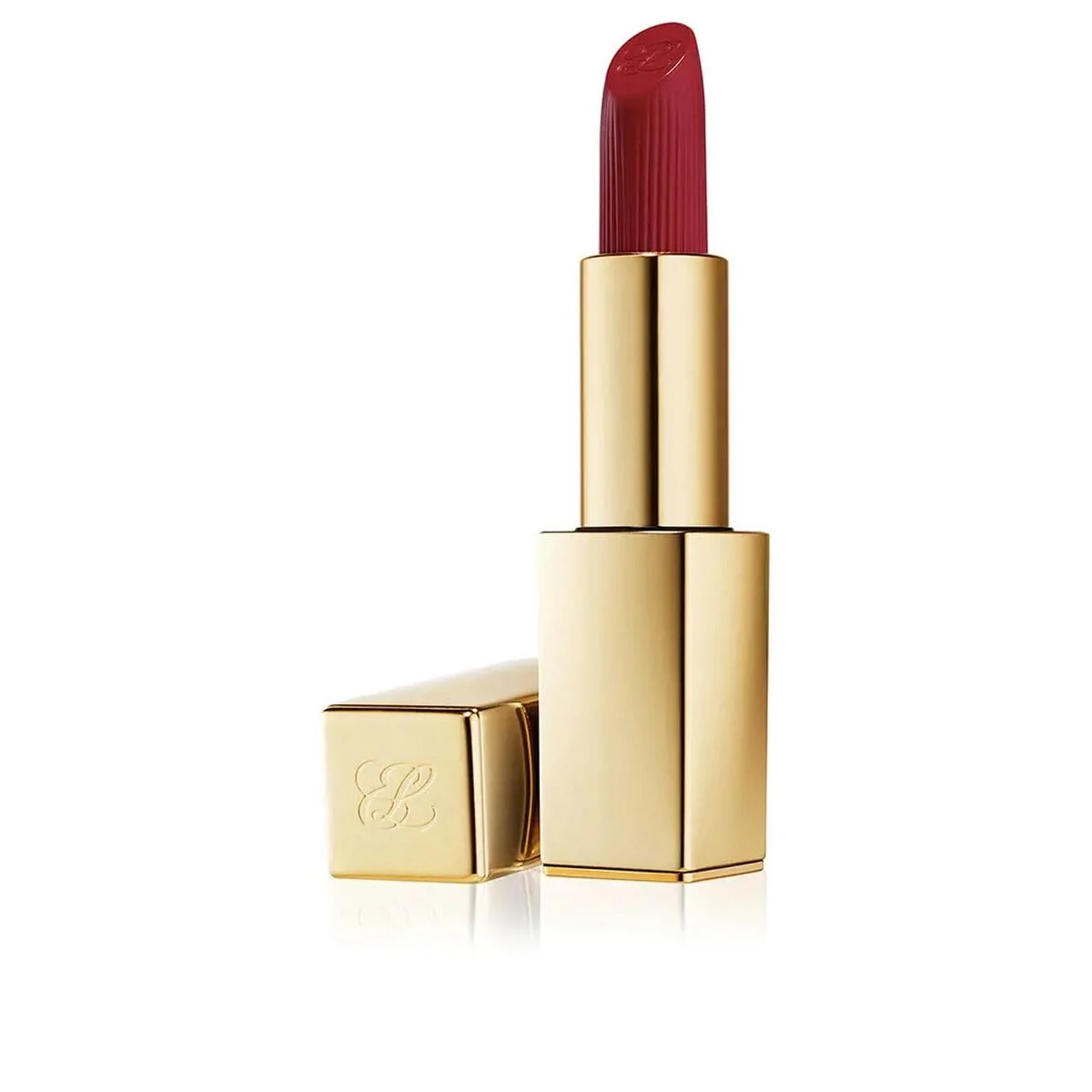
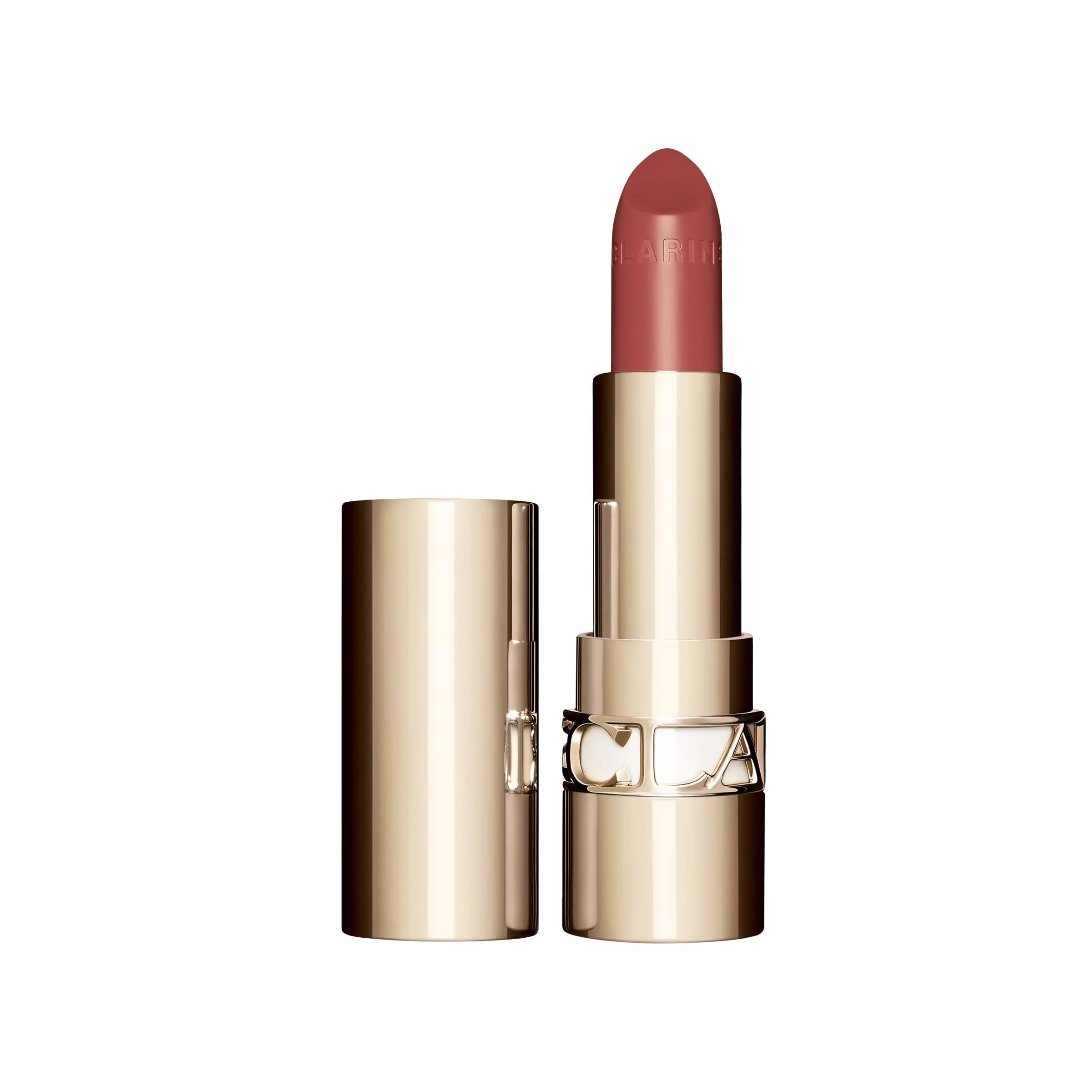
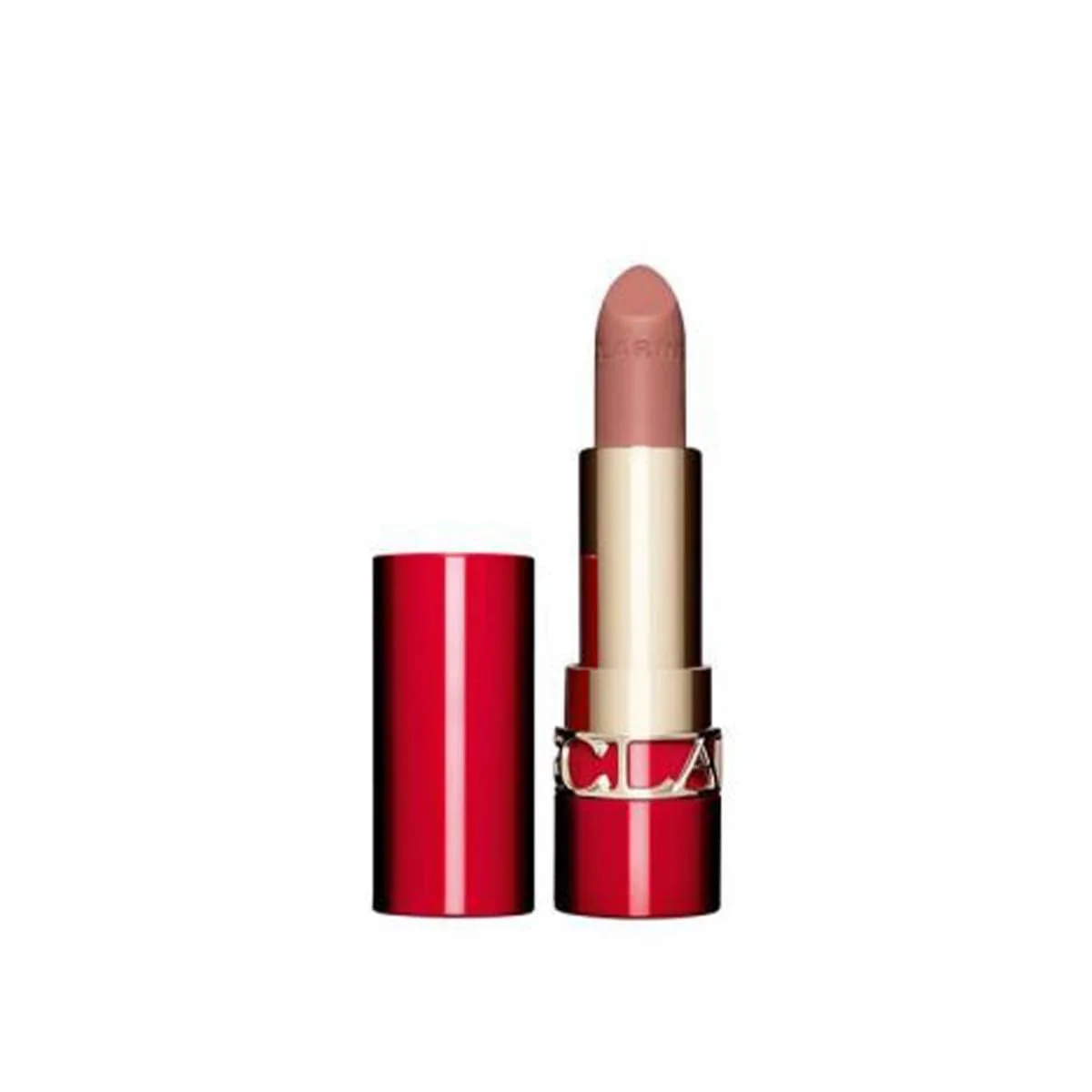
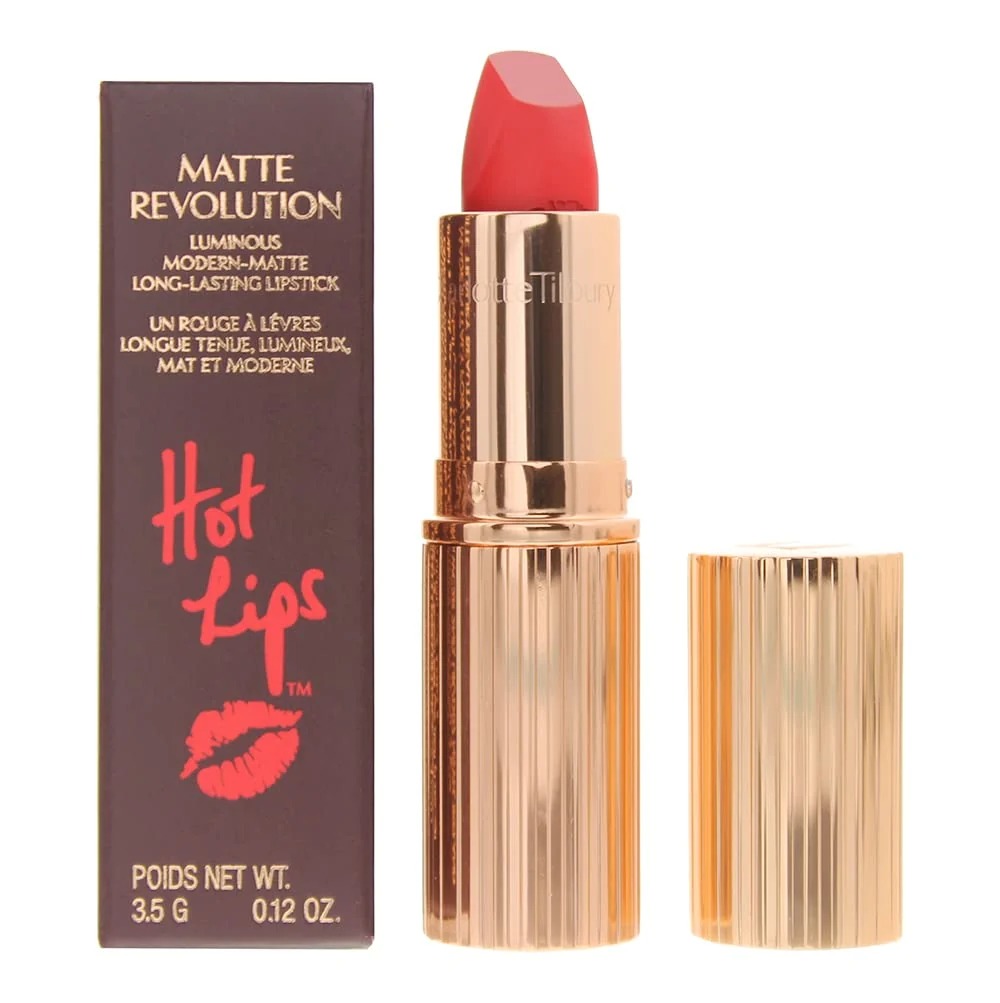
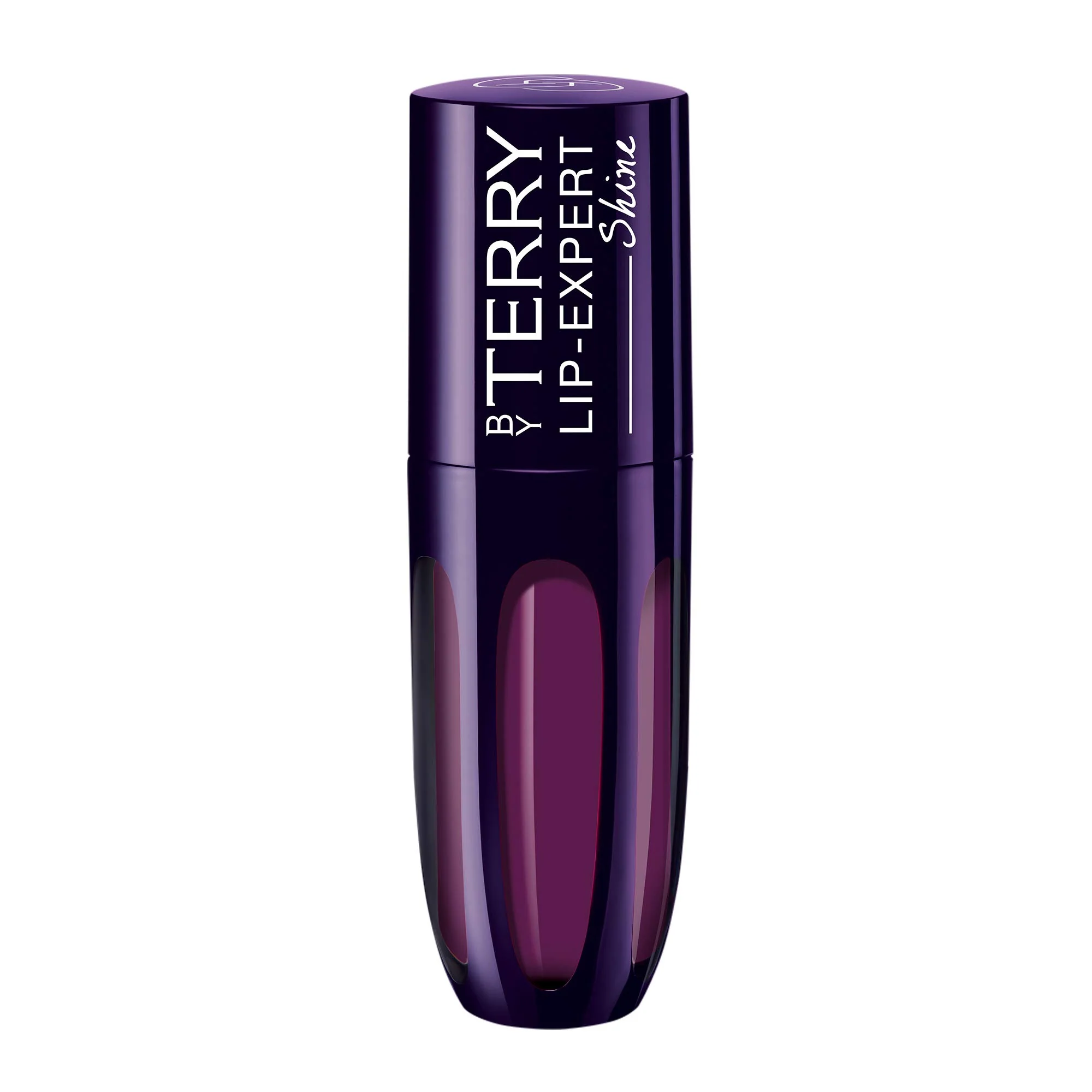
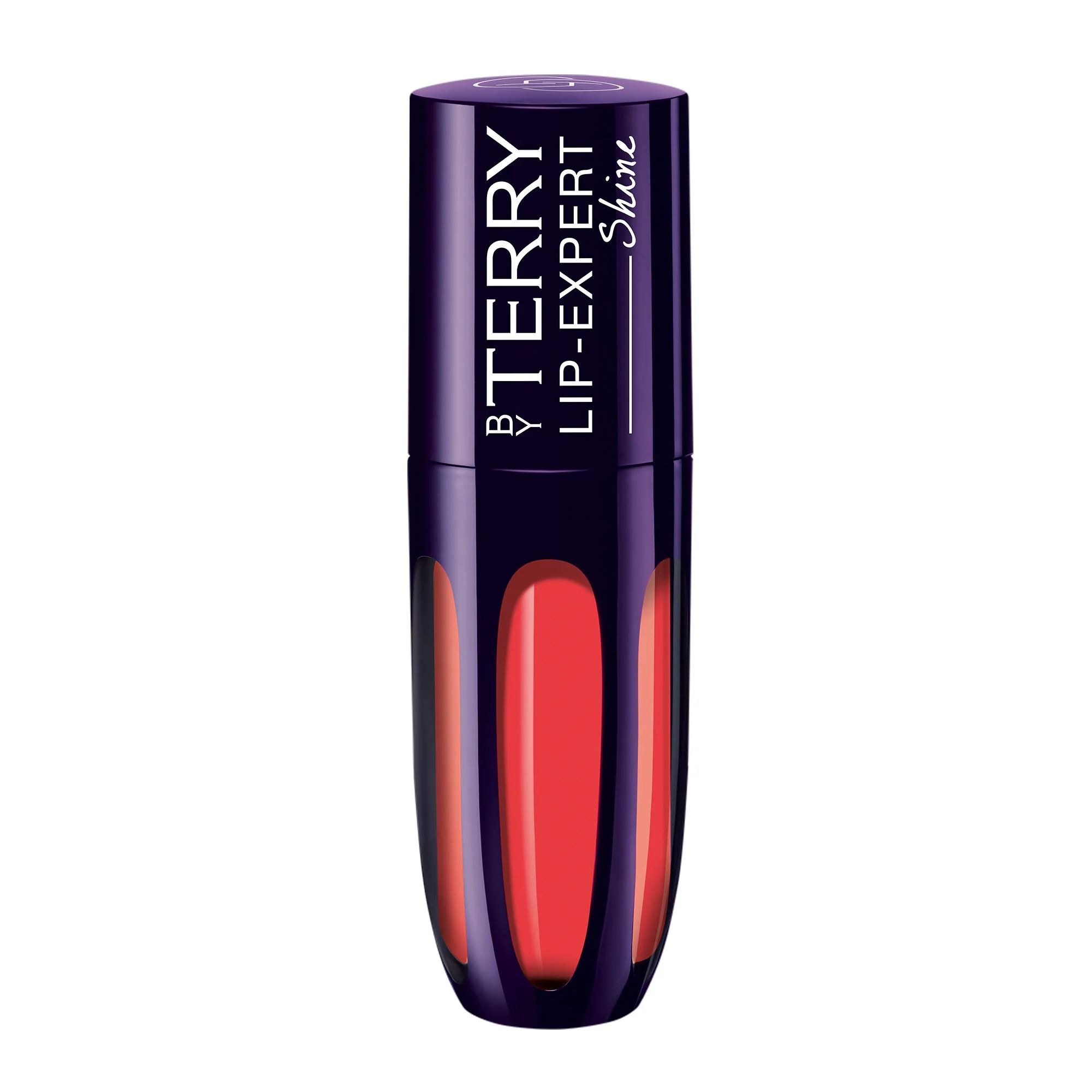
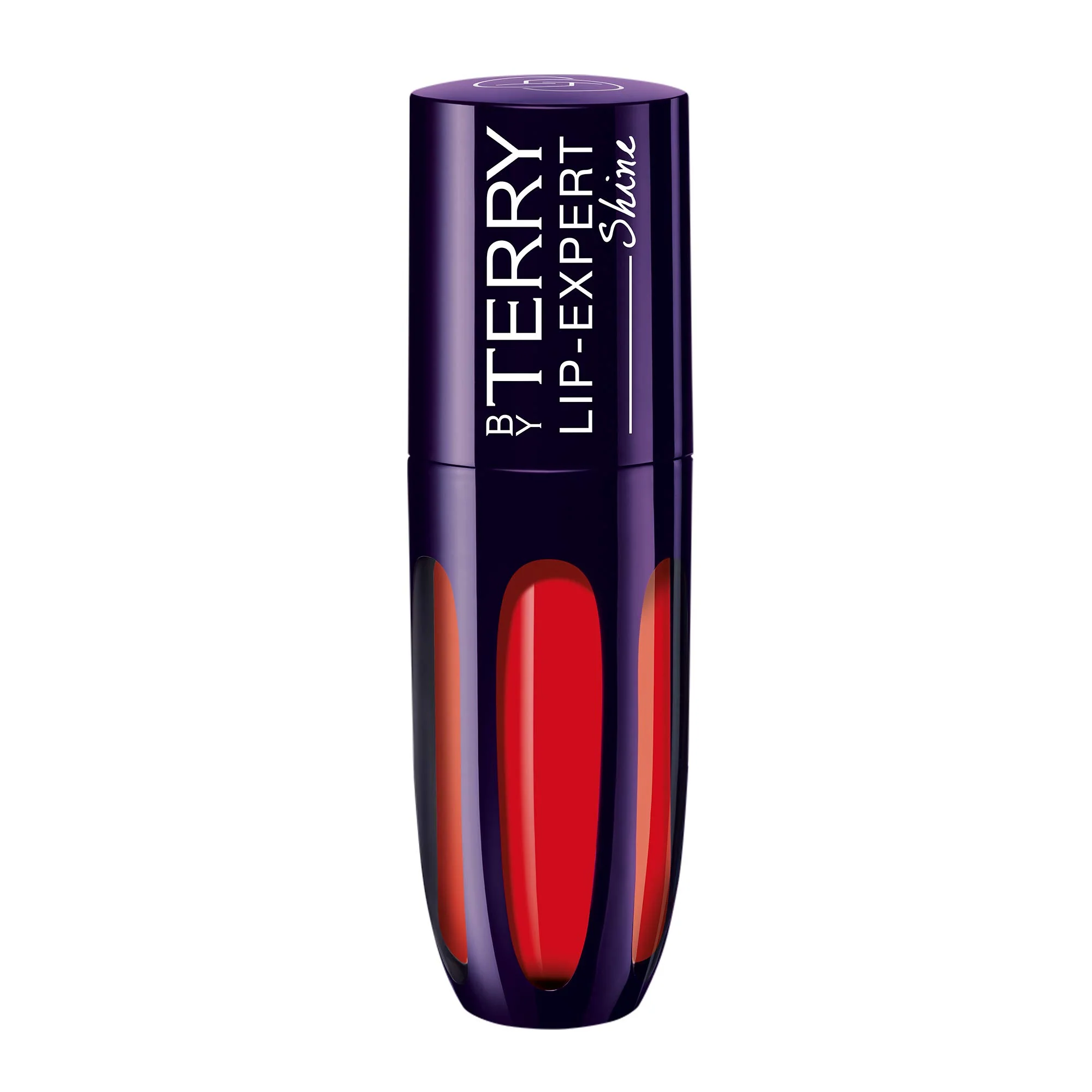
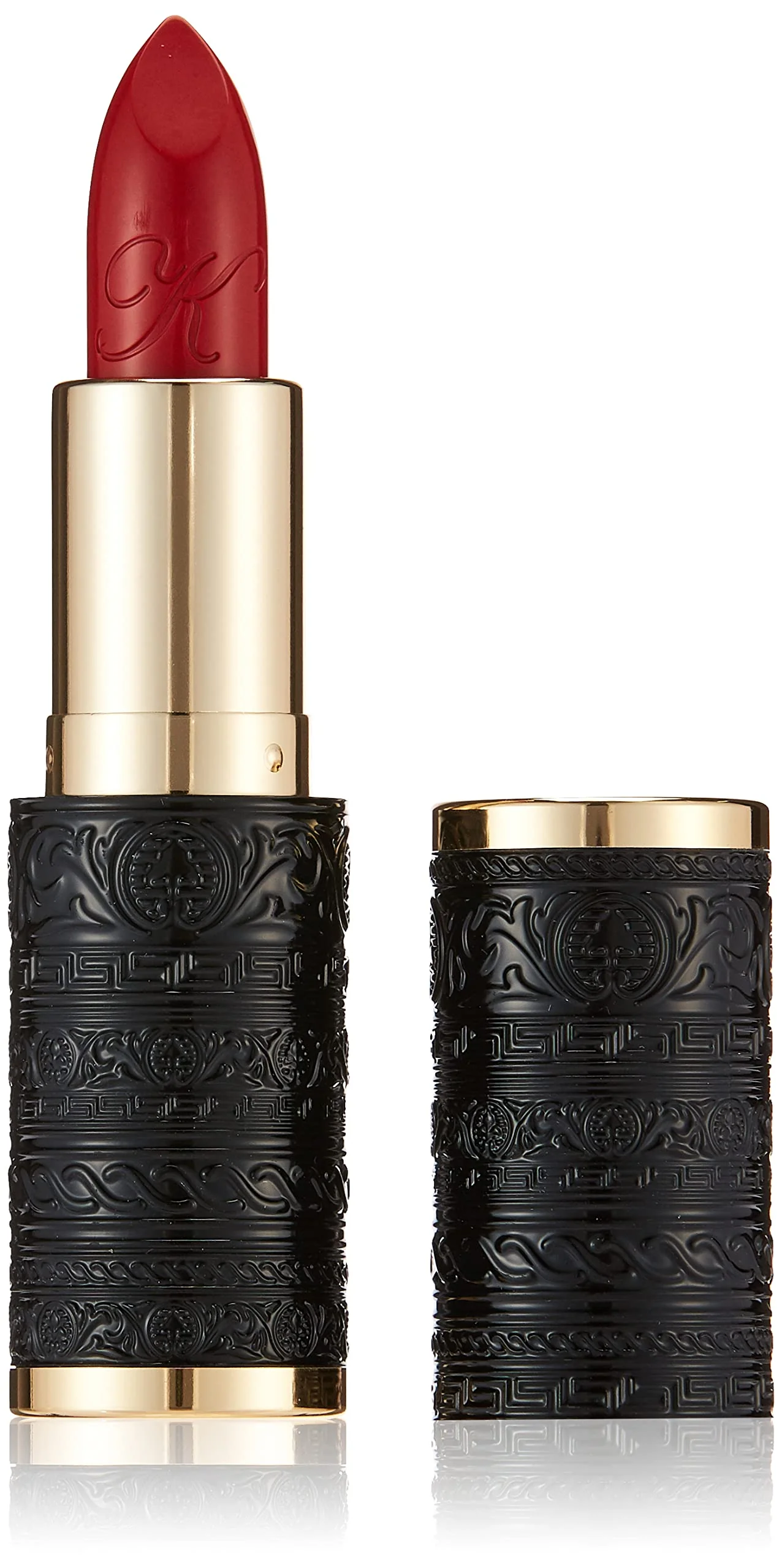
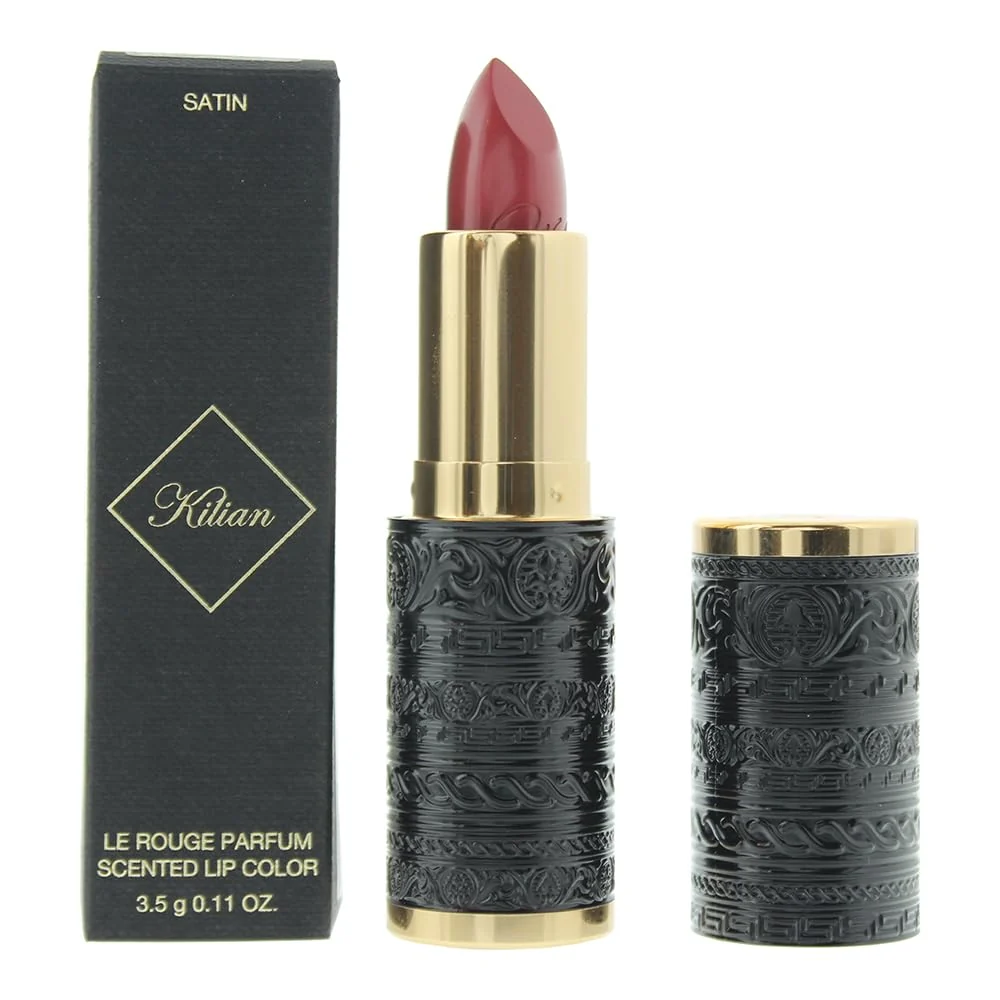
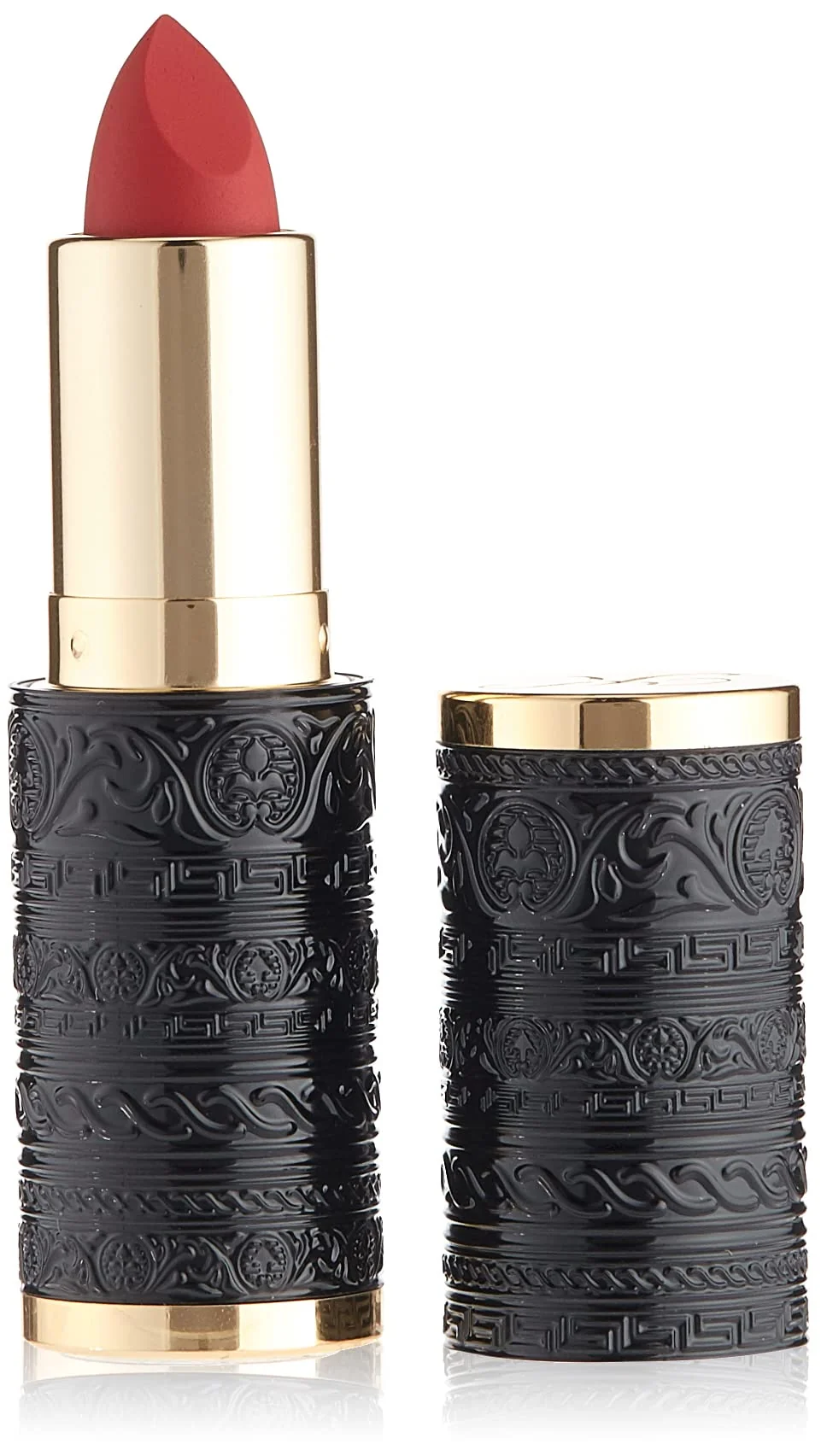
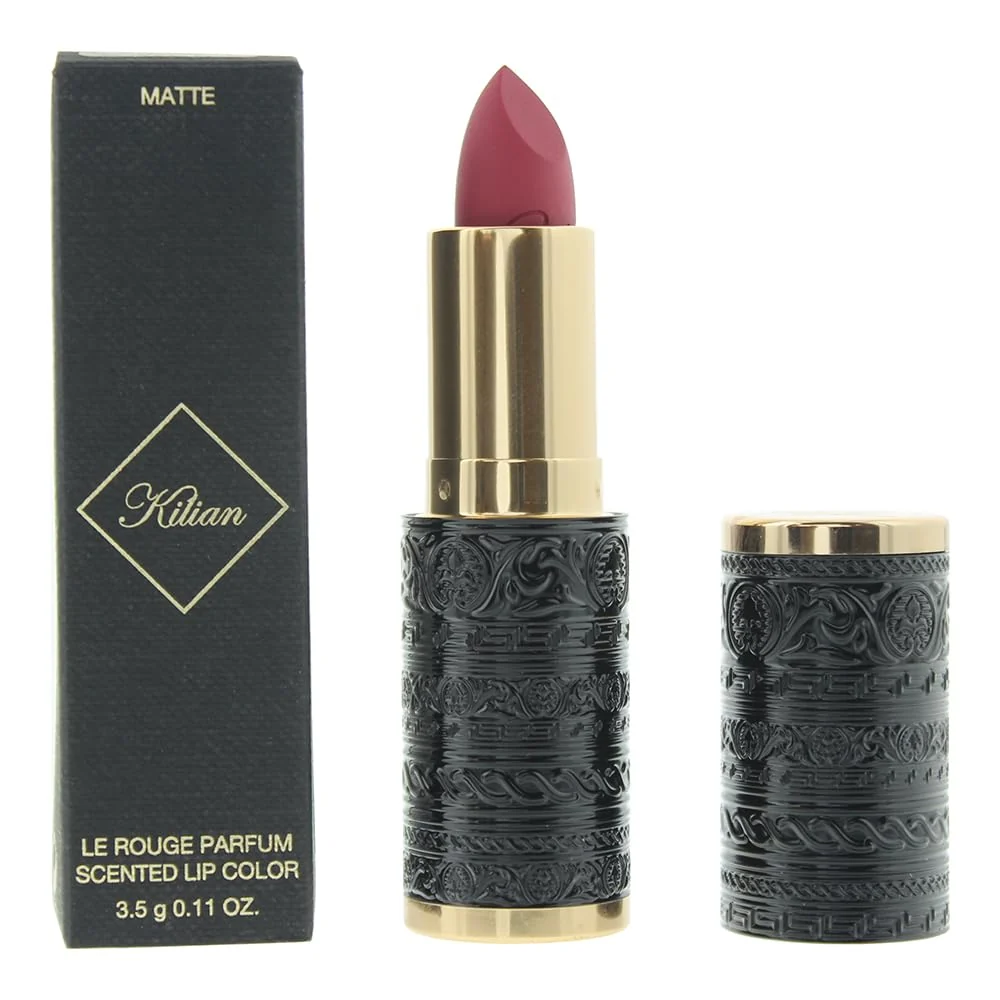
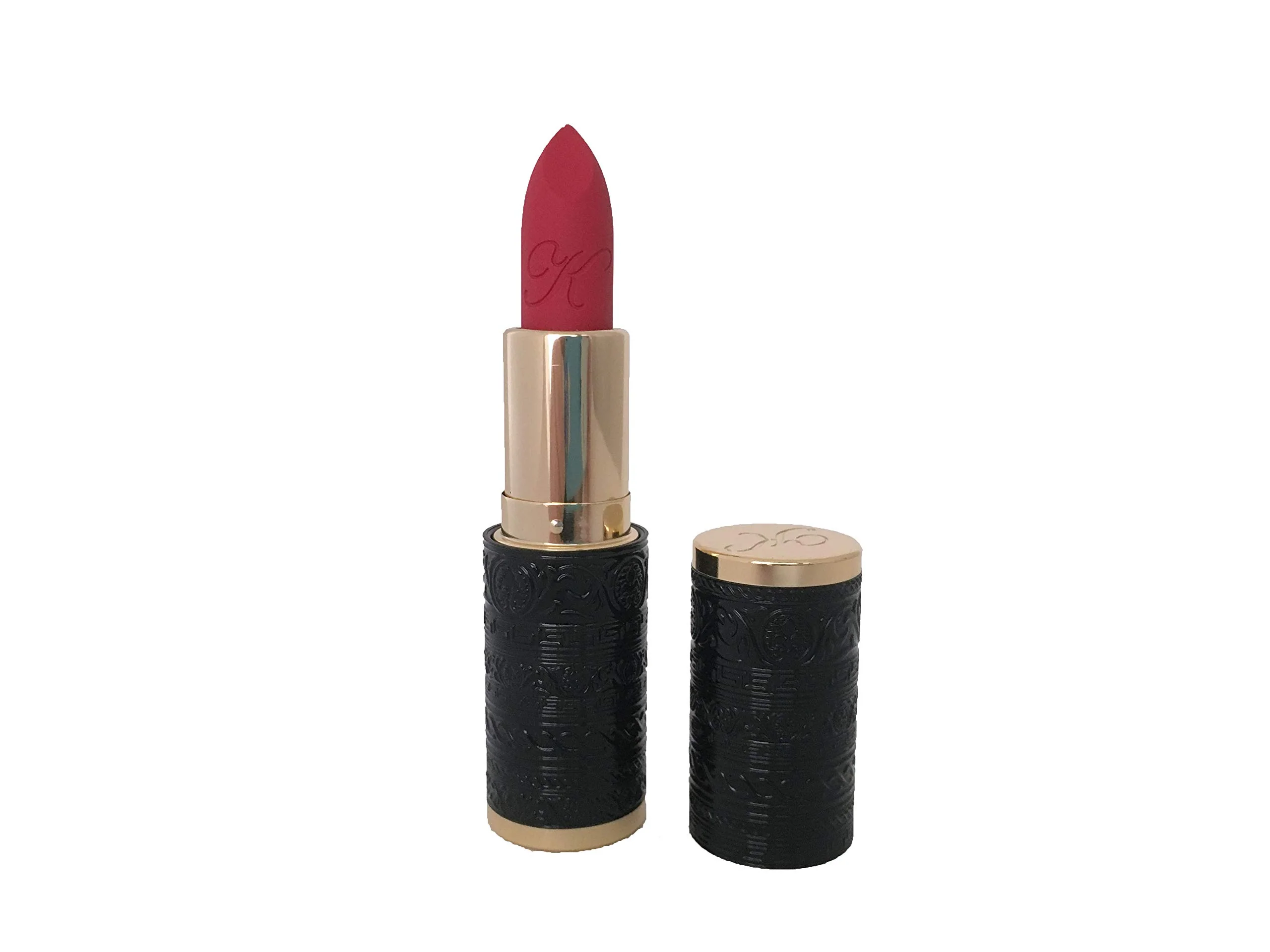
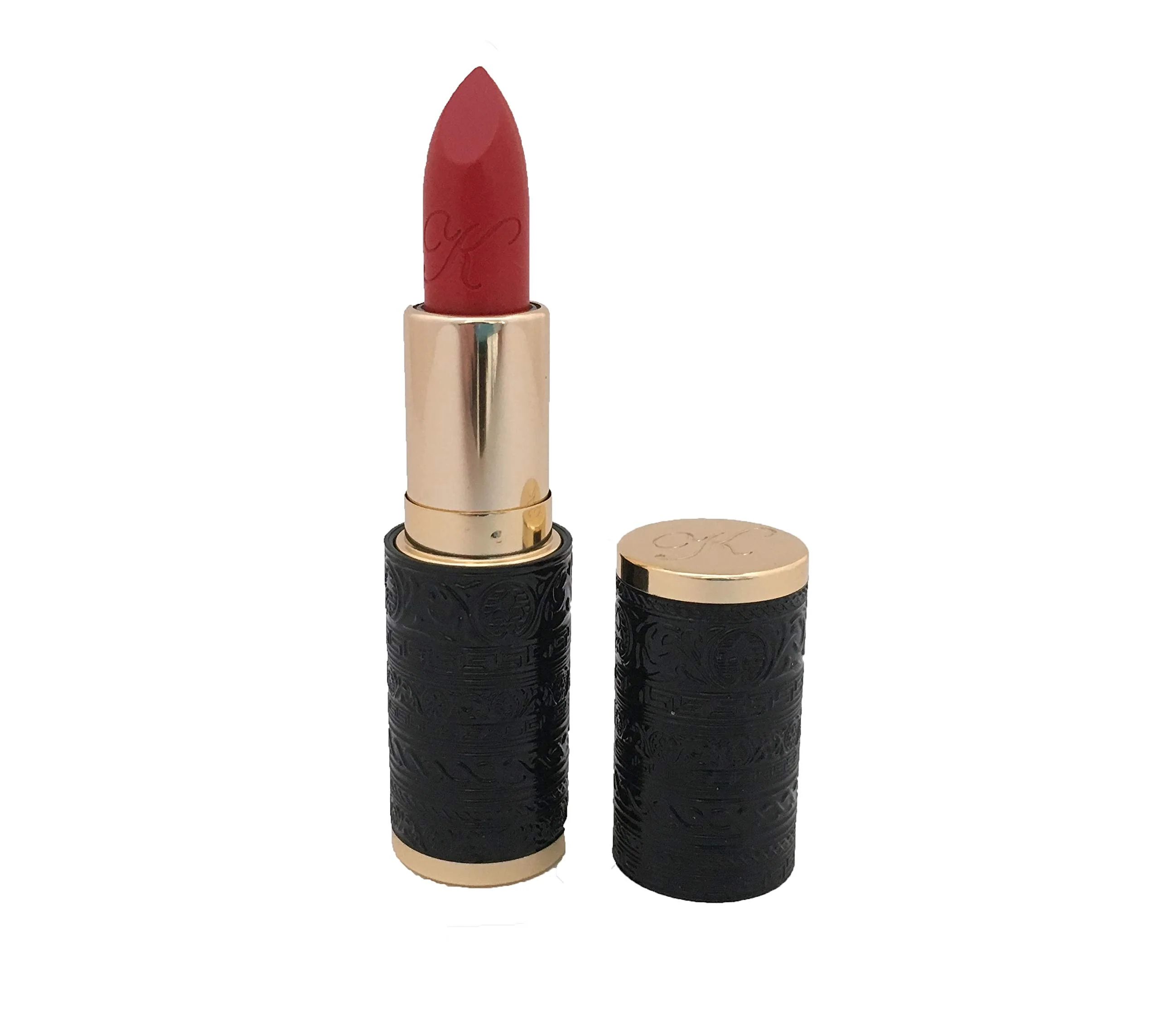
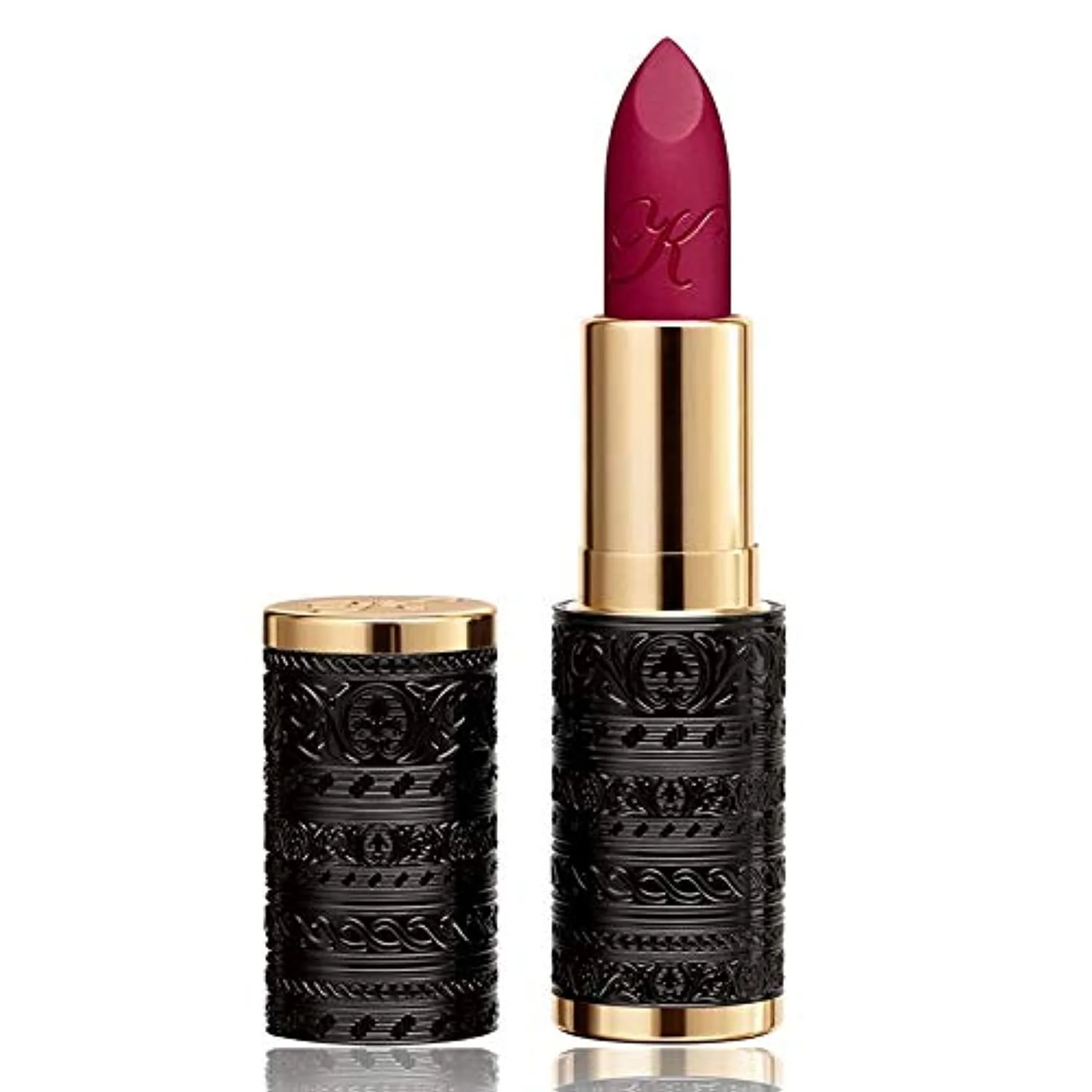
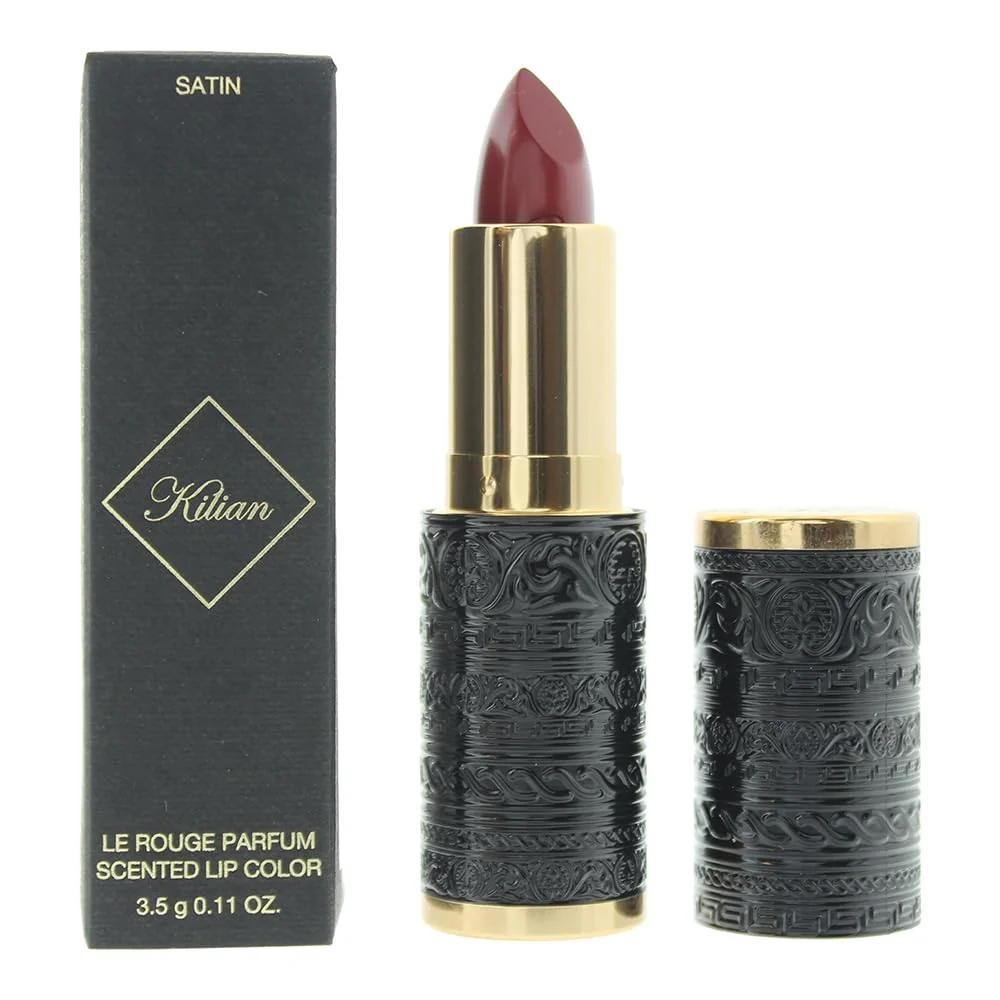
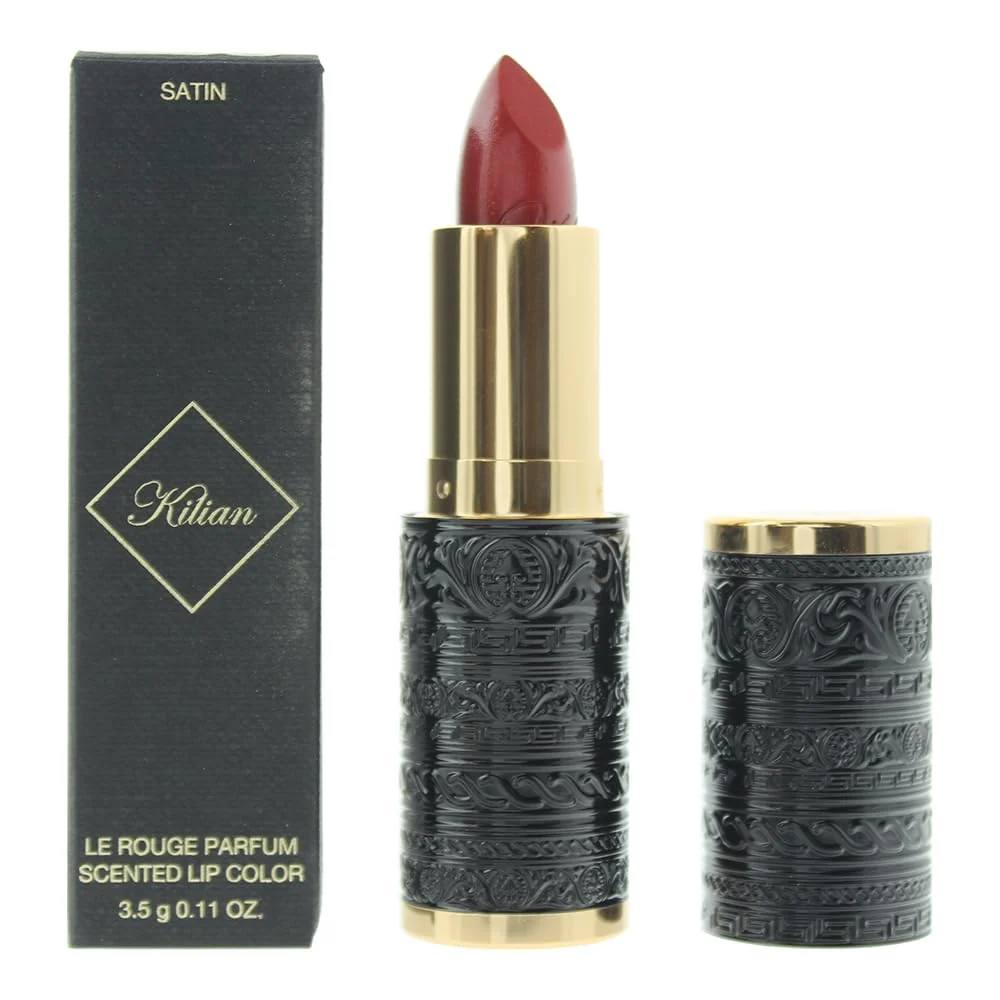
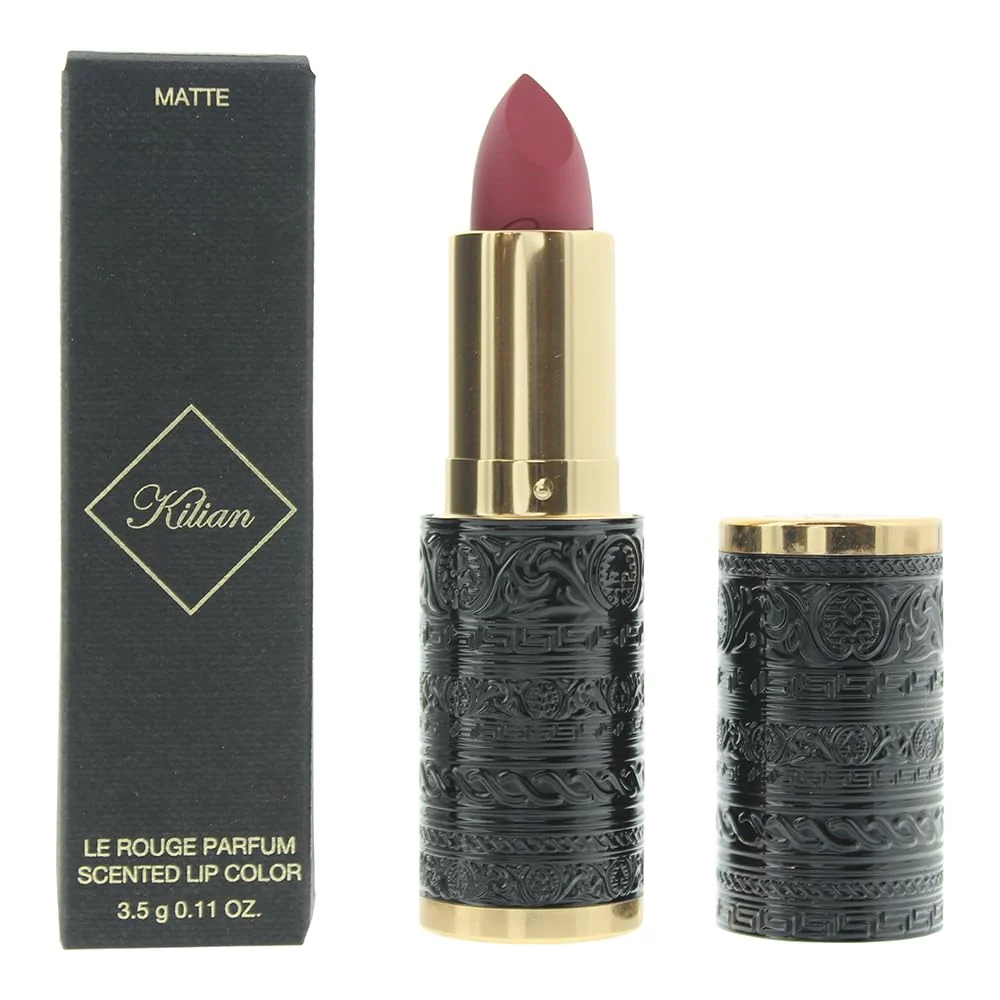
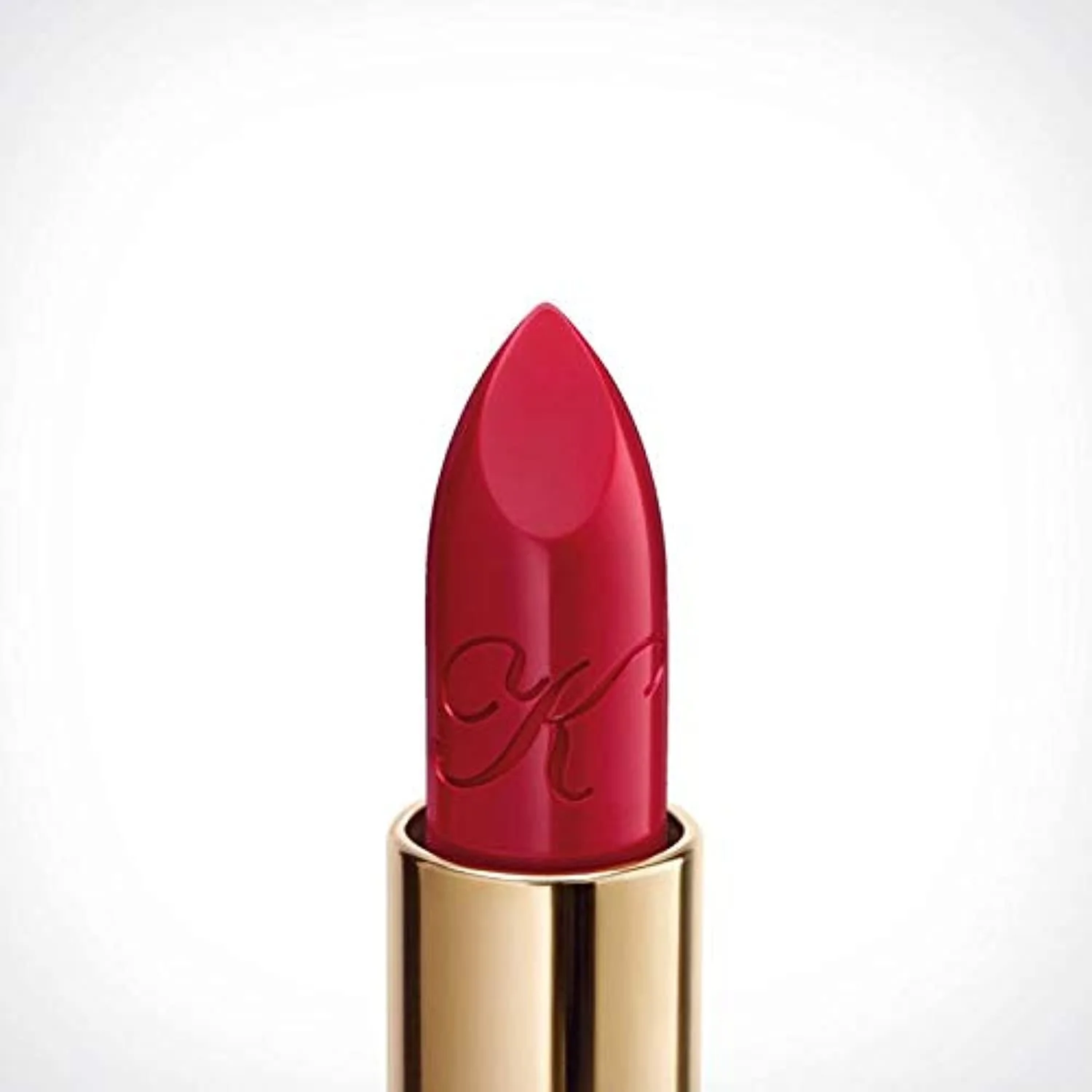
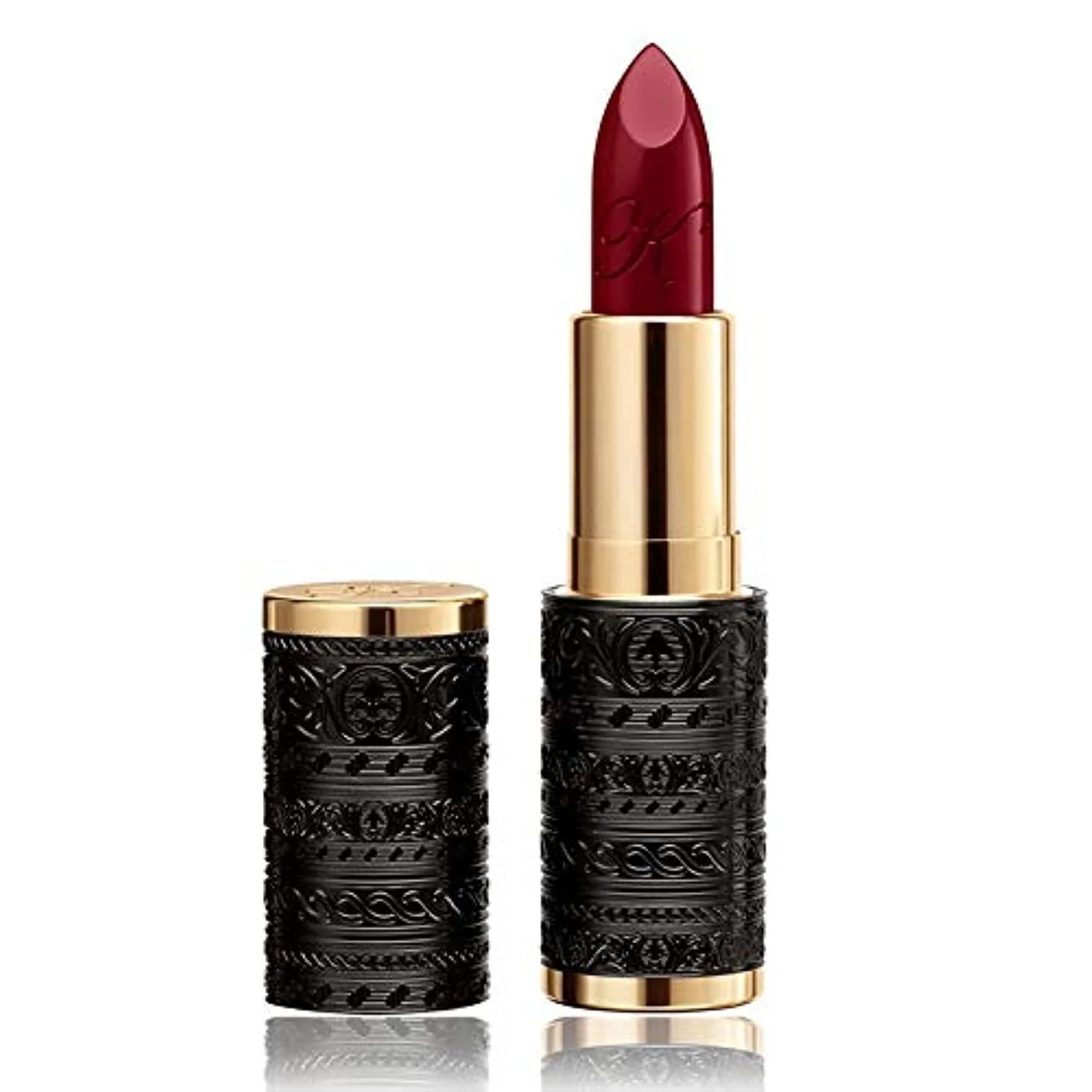
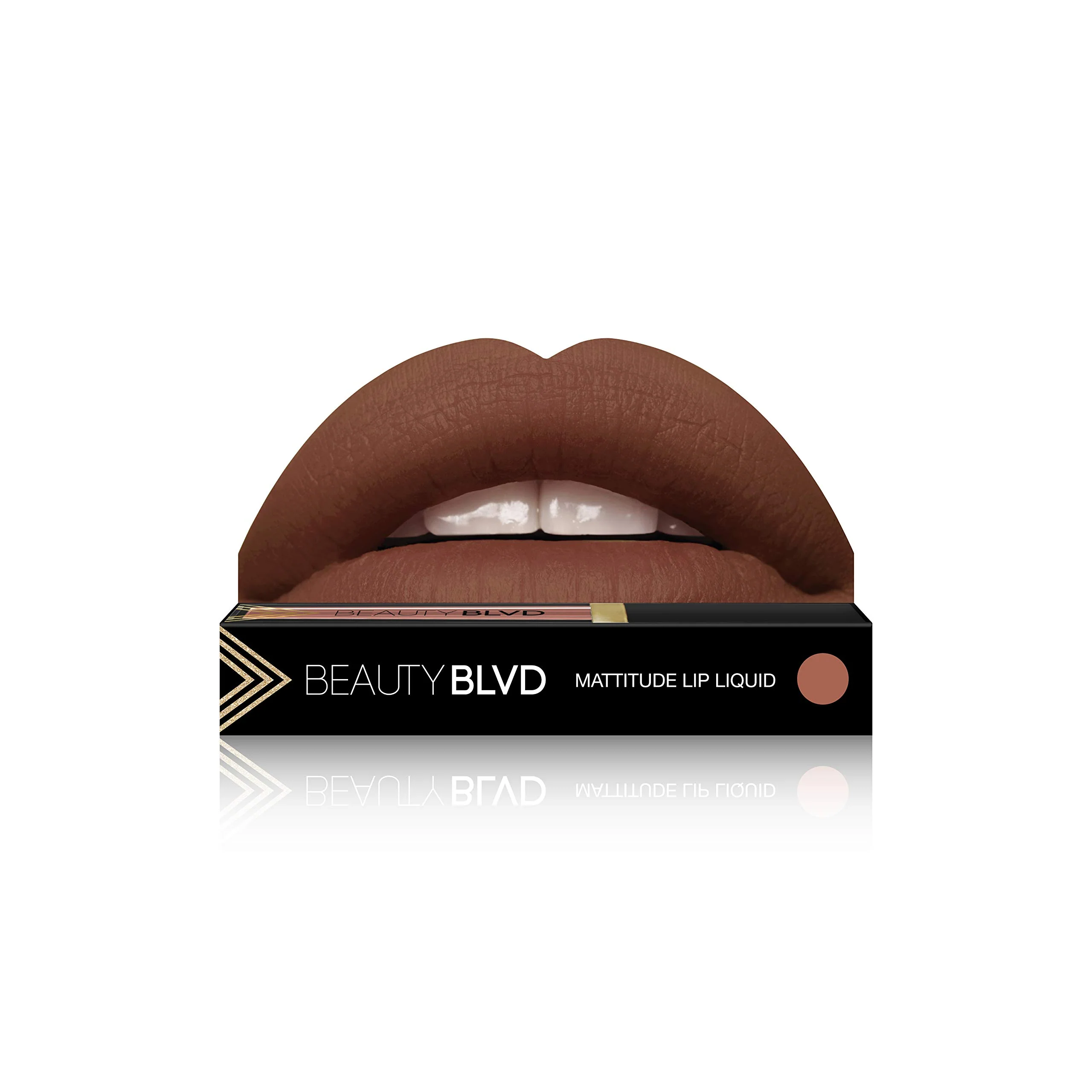
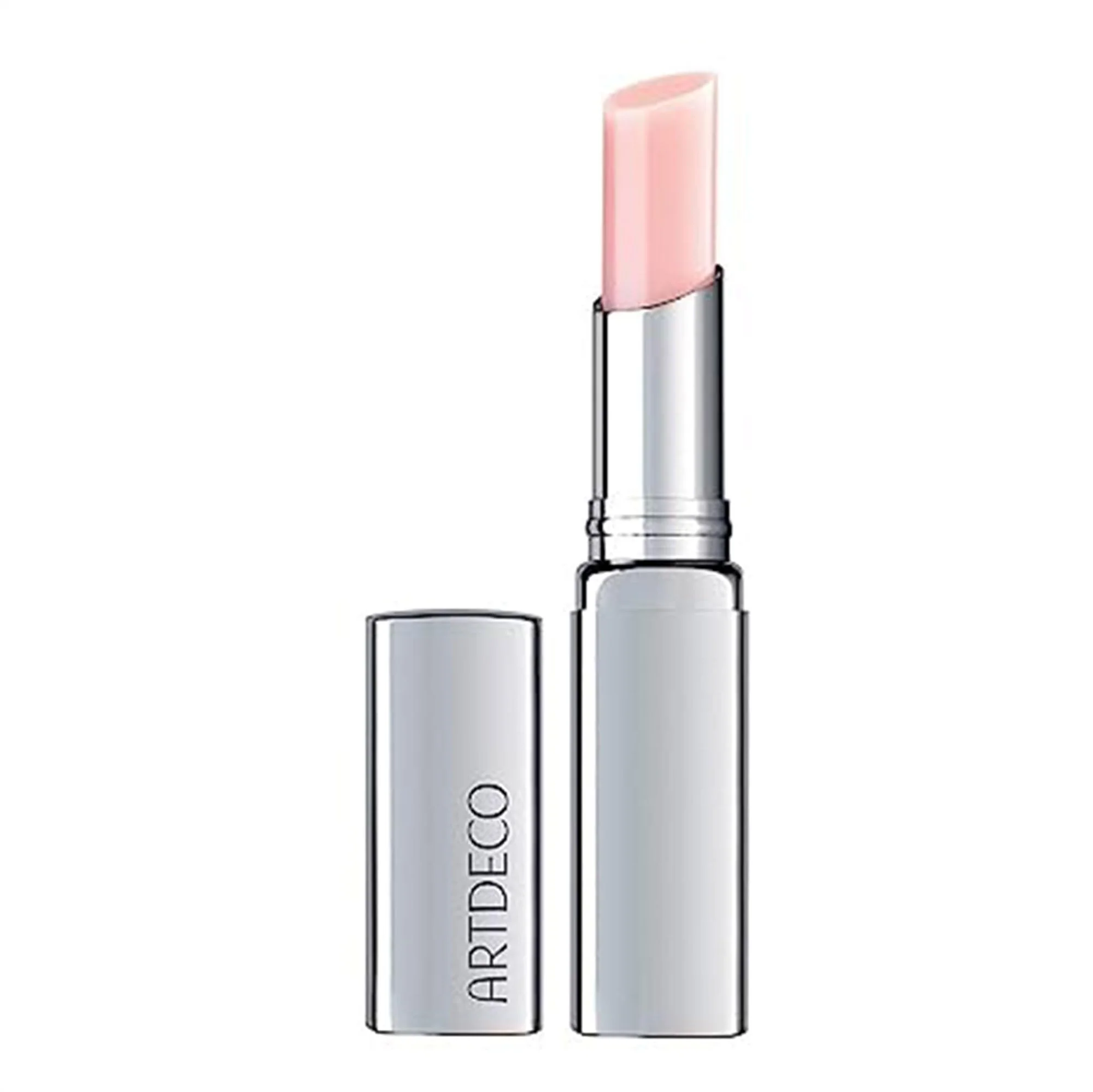
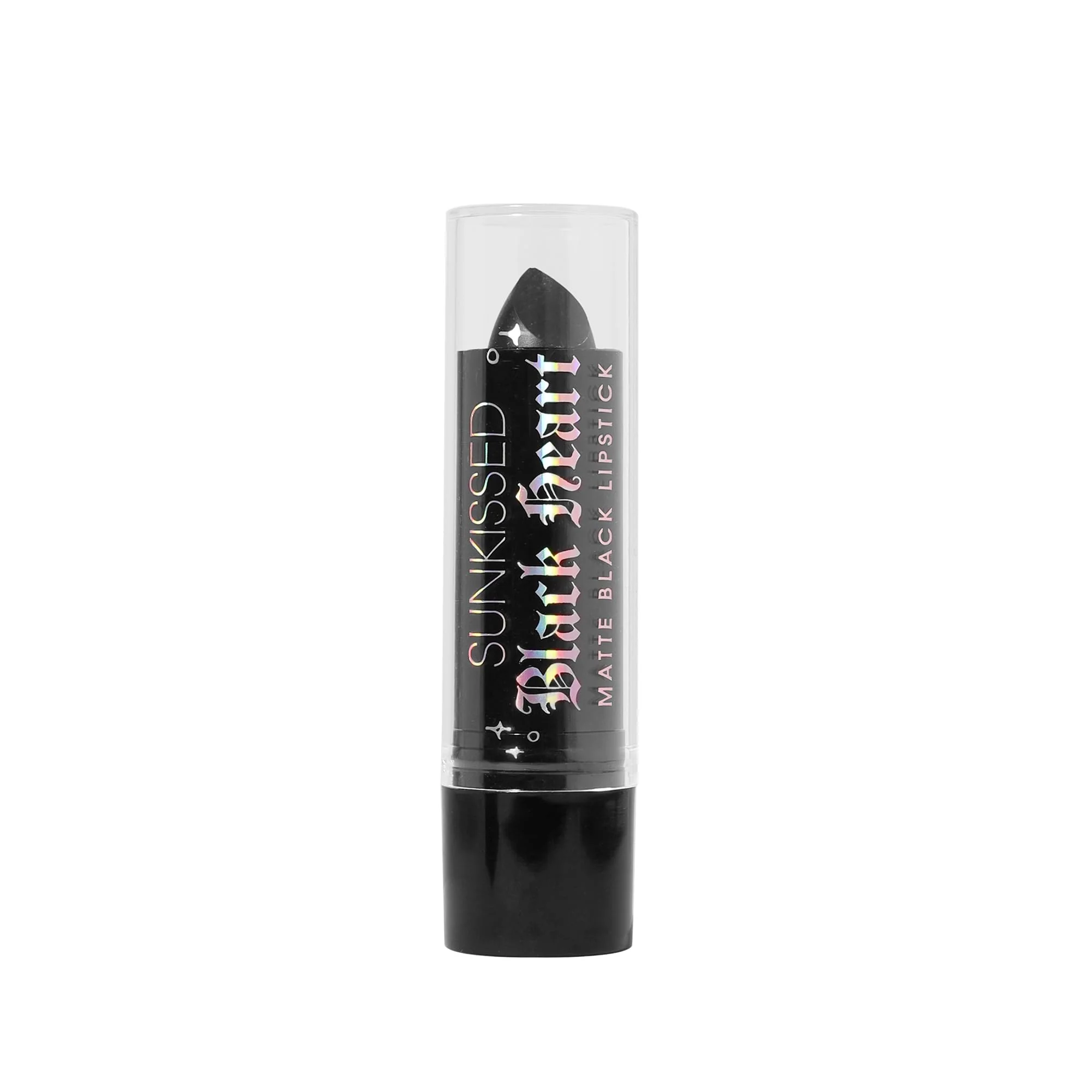
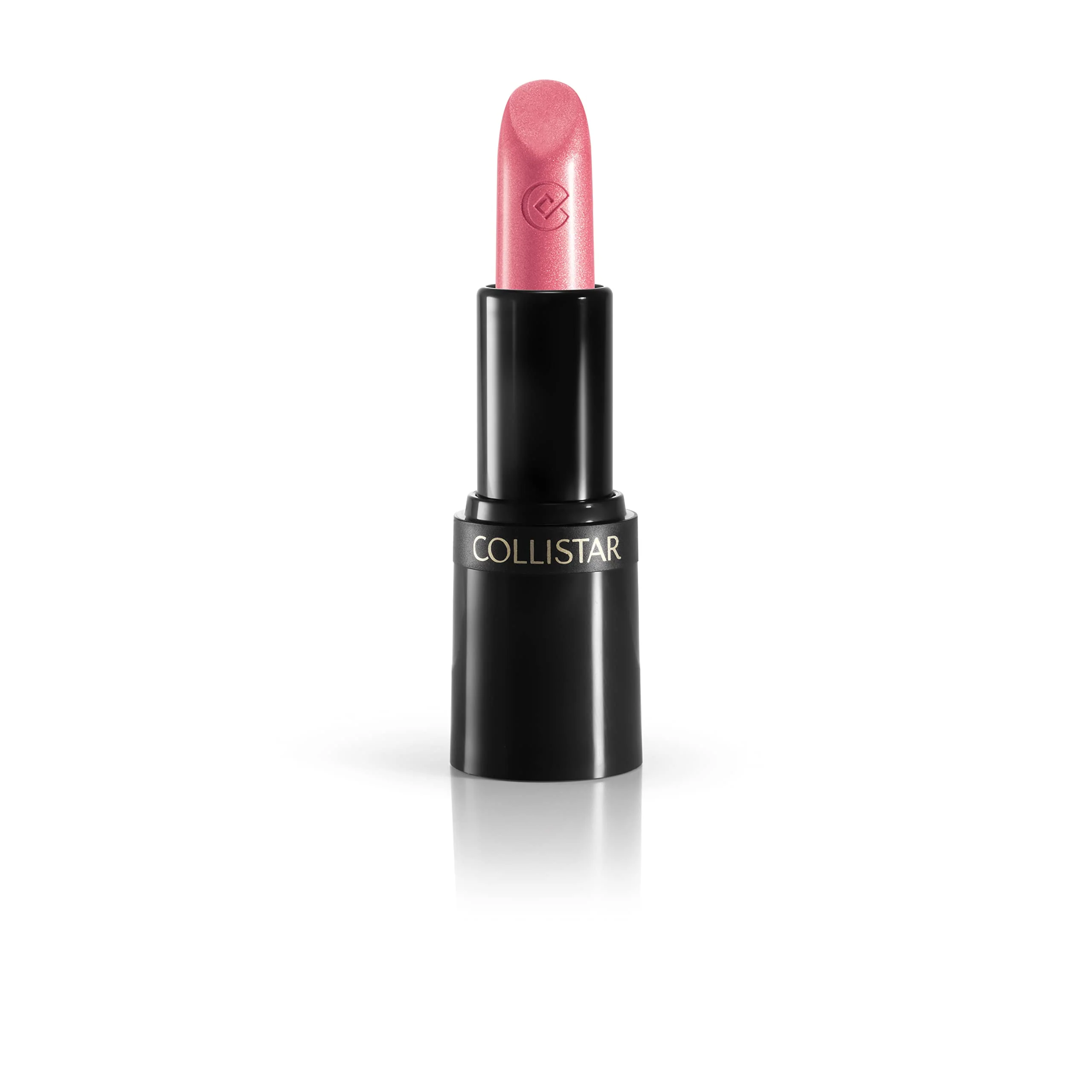
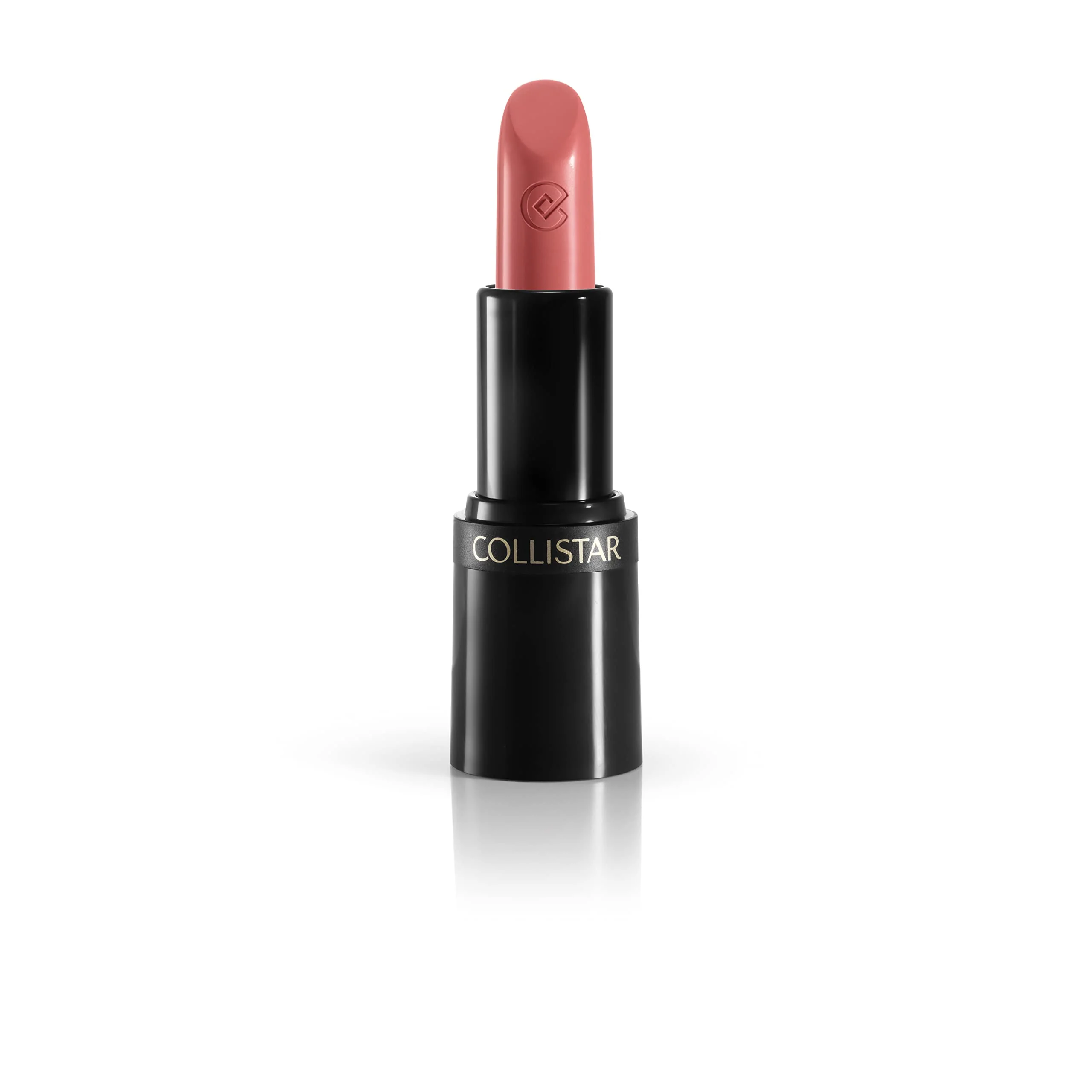
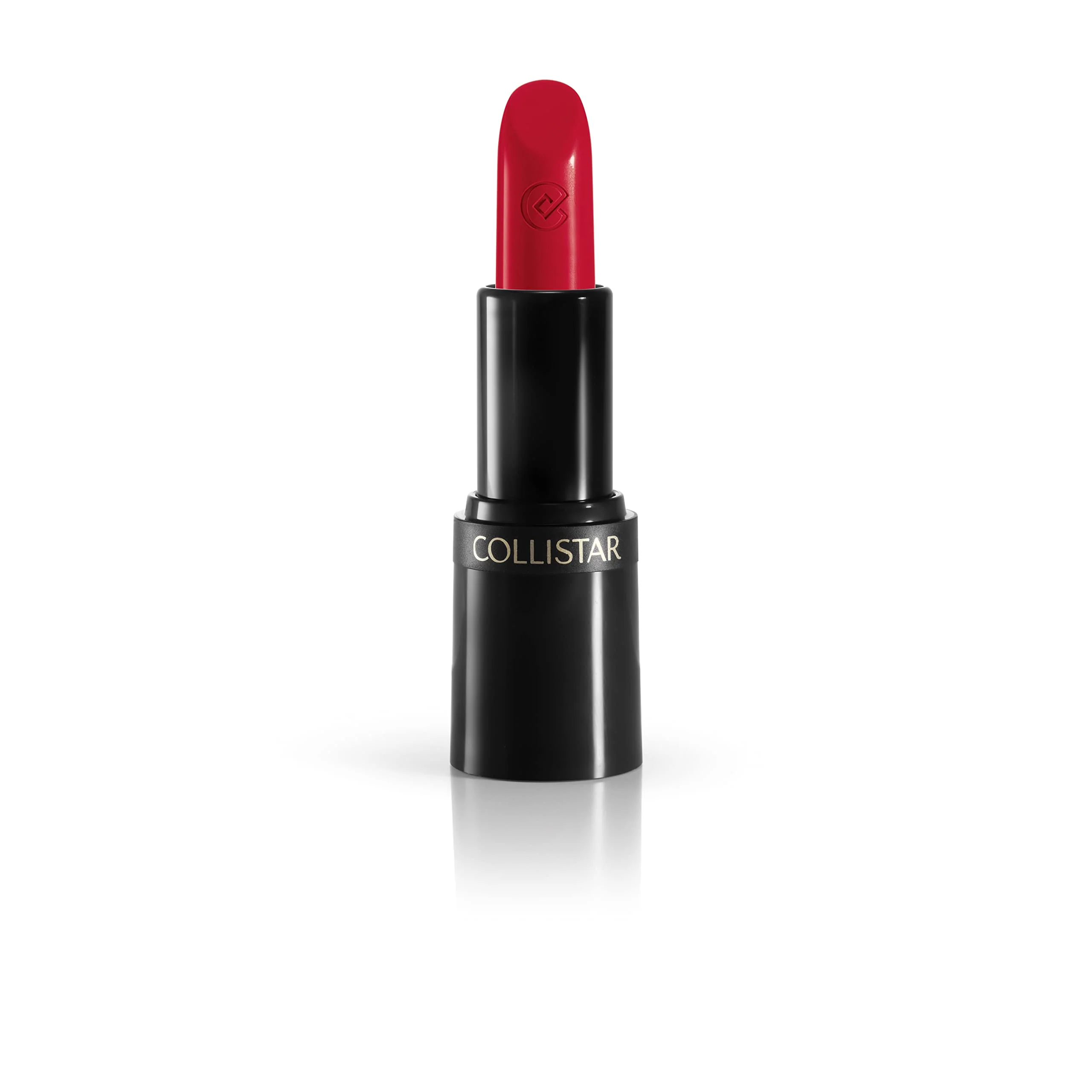
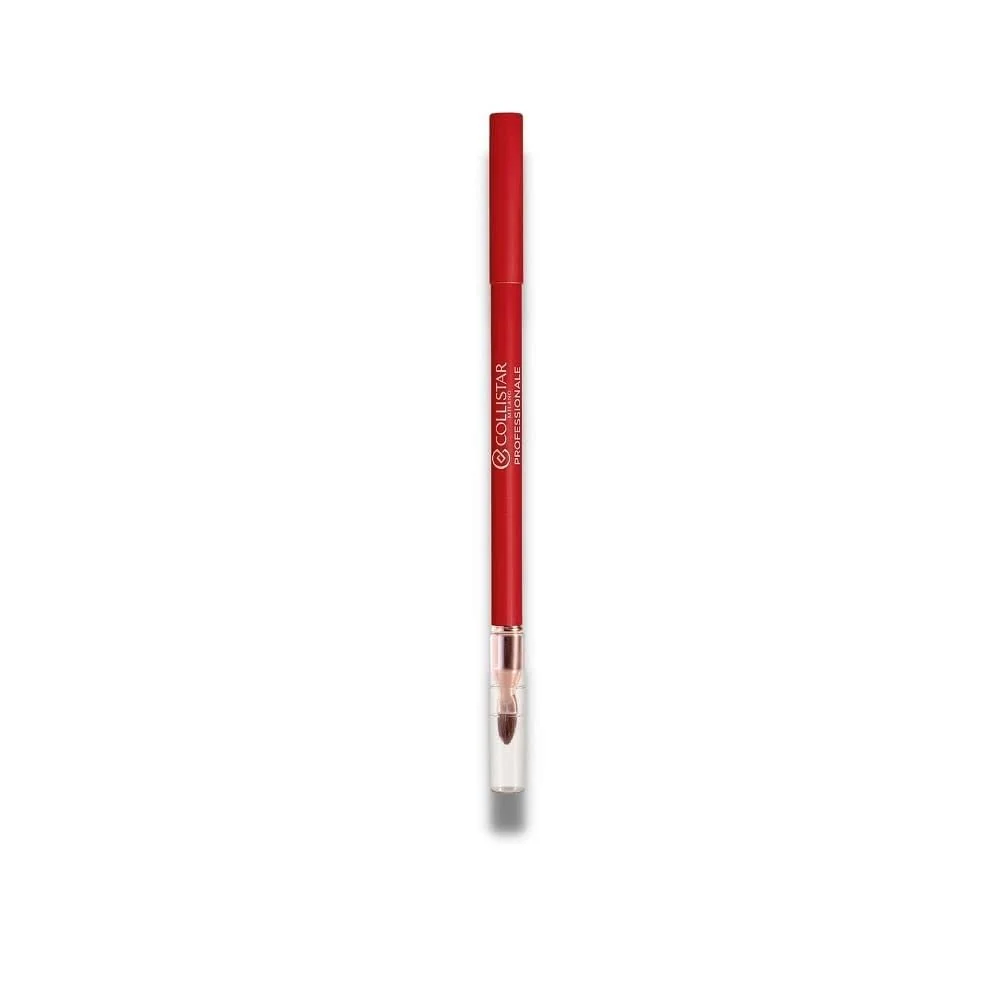
Lipstick combines pigment, waxes and emollients in a solid or semi-solid format designed to deliver color directly to the lips. Cream and satin lipsticks balance color with slip, matte formulas use more powder and film-forming structure for a flatter finish, and sheer lipsticks emphasize translucency and comfort. Long-wear versions may rely on volatile solvents and polymers that set after application. Color payoff, undertone and texture matter as much as shade name. For a cleaner edge, apply in thin layers and use liner only where extra definition is needed. Undertone, skin preparation and the tools used for application can shift the finished result as much as the shade or texture itself. Long-wear formulas trade flexibility for durability in different ways. Volatile solvents, film-forming polymers and lower-emollient textures can improve transfer resistance, while richer oils and waxes usually increase comfort and blendability. Neither approach is inherently better; the choice depends on finish, wear time and how the product feels after several hours. Color theory matters quietly in everyday makeup. Undertone influences whether a foundation disappears into the skin, whether a blush looks fresh or muddy, and whether a lip shade reads warm, cool or neutral. The most wearable option is not always the shade that looks most dramatic in the package, but the one that works with the rest of the face.