
Lip Tint

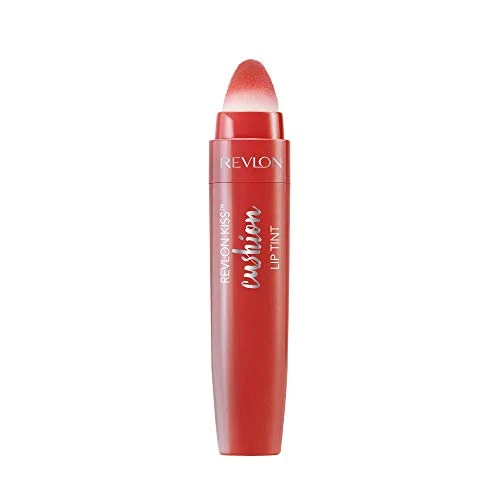
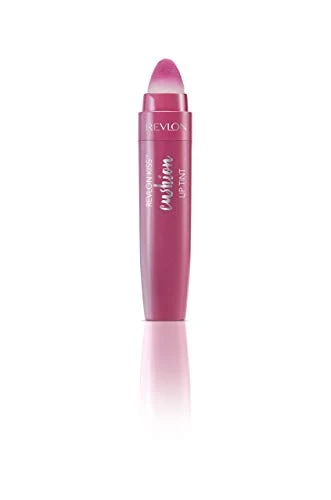
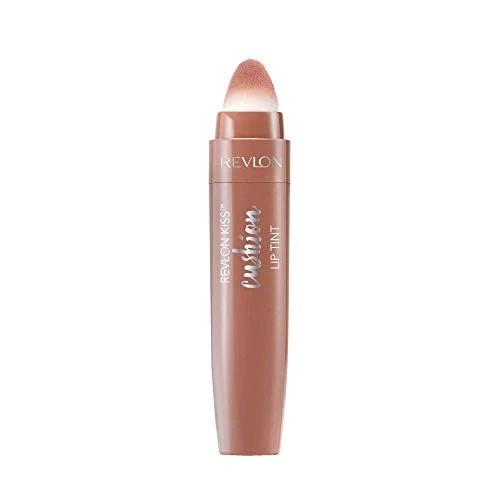
About Lip tint
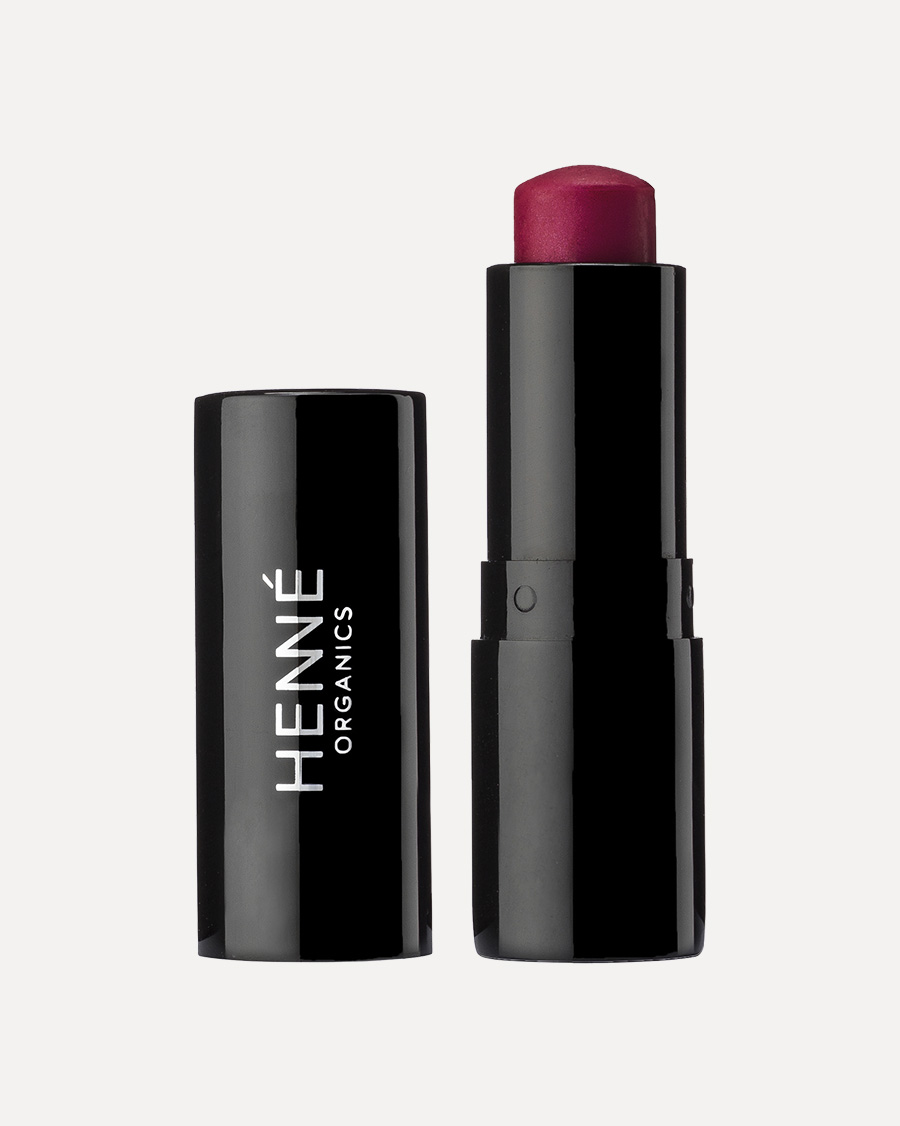
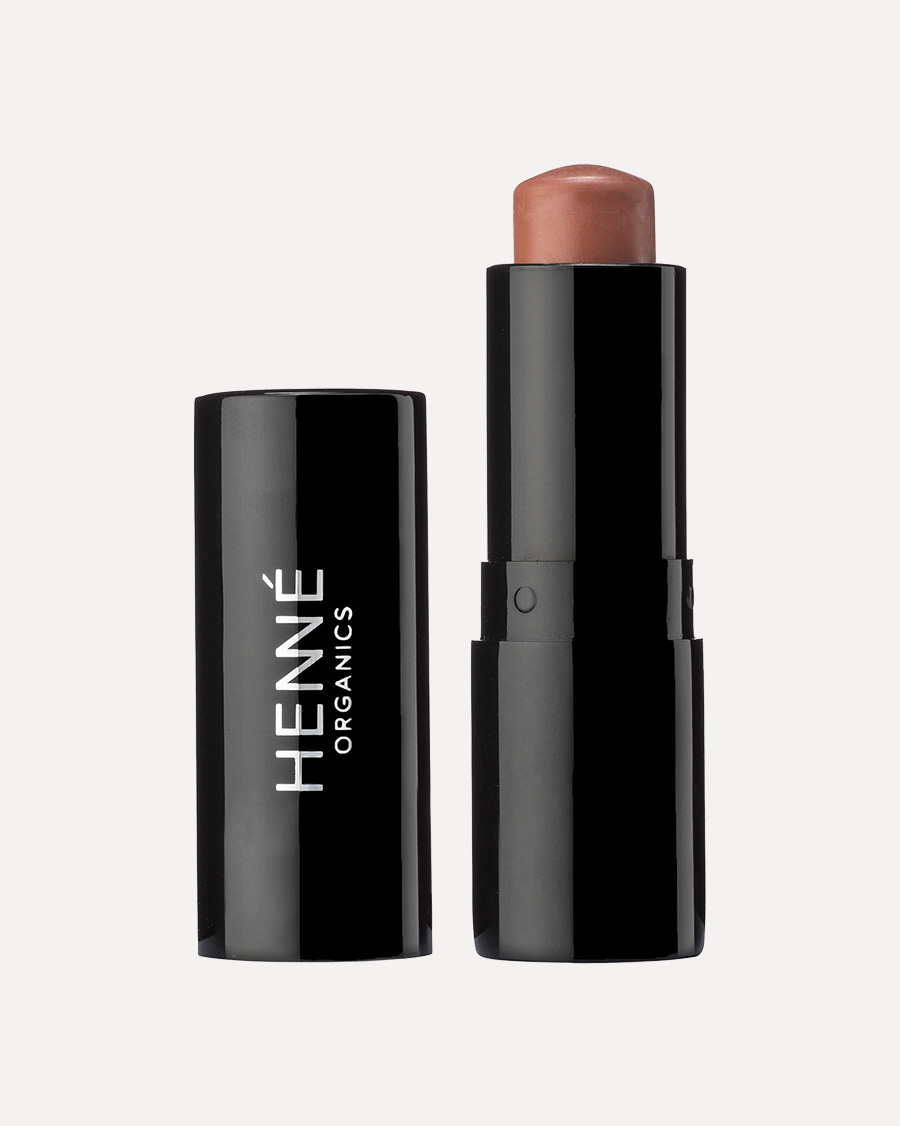
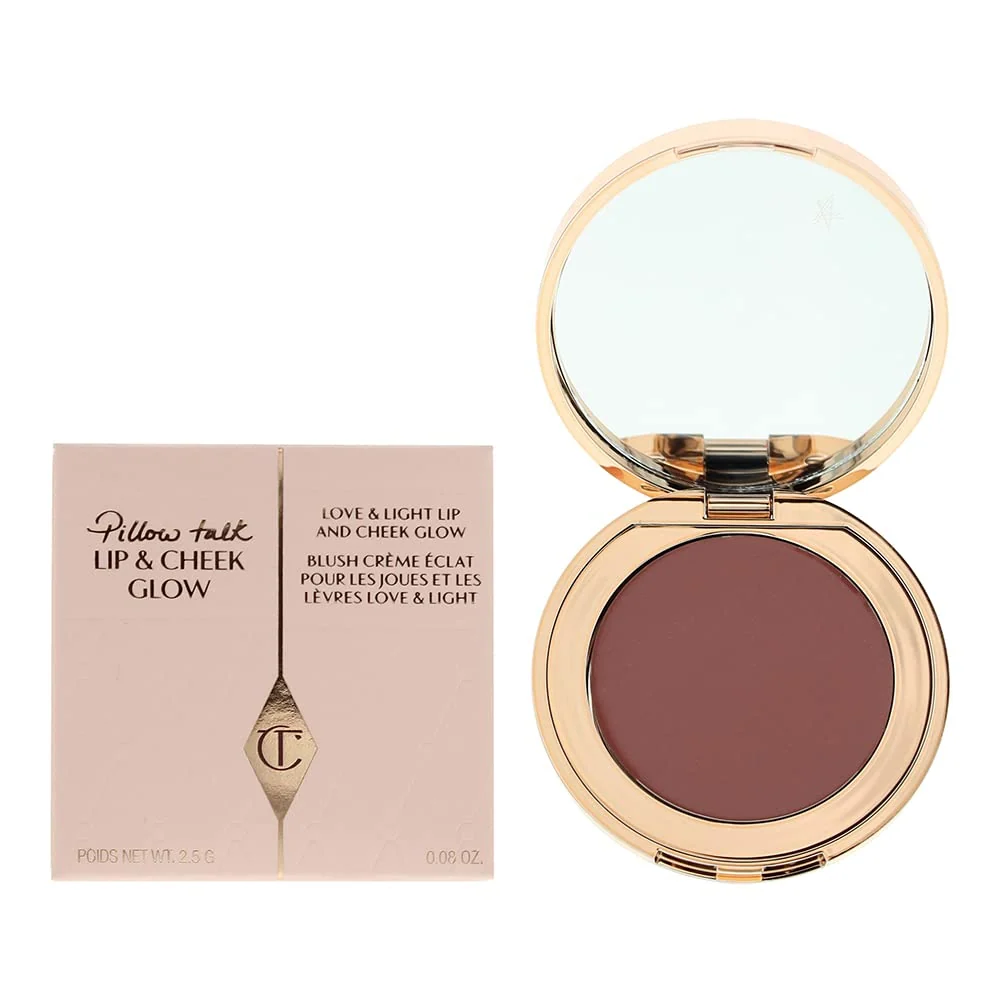
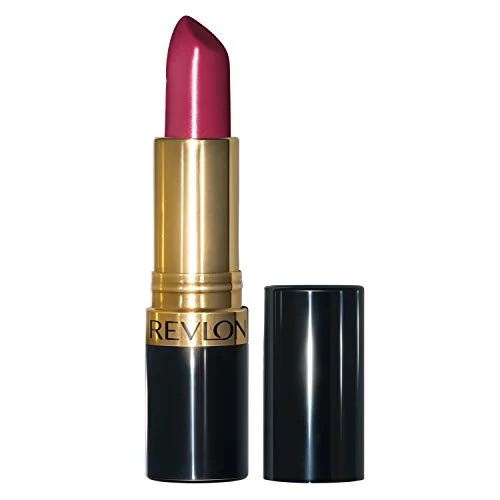
Lip tint deposits lightweight color that stains or adheres closely to the lips, creating anything from a sheer wash to a vivid, long-wear effect. Water- and gel-based tints often feel almost weightless, while oil and velvet tints add more slip or softness. Because the color can grip dry patches, lip preparation has a noticeable effect on the finish. Many tints fade from the center of the mouth first, so layering in thin coats can produce a more even result. A balm on top adds comfort but may soften longevity. Undertone, skin preparation and the tools used for application can shift the finished result as much as the shade or texture itself. Color theory matters quietly in everyday makeup. Undertone influences whether a foundation disappears into the skin, whether a blush looks fresh or muddy, and whether a lip shade reads warm, cool or neutral. The most wearable option is not always the shade that looks most dramatic in the package, but the one that works with the rest of the face. Long-wear formulas trade flexibility for durability in different ways. Volatile solvents, film-forming polymers and lower-emollient textures can improve transfer resistance, while richer oils and waxes usually increase comfort and blendability. Neither approach is inherently better; the choice depends on finish, wear time and how the product feels after several hours.