
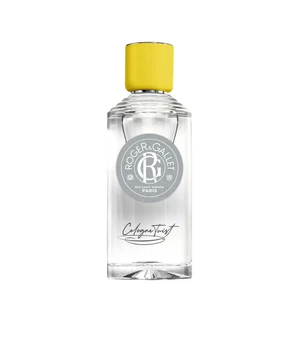
Eau de Cologne
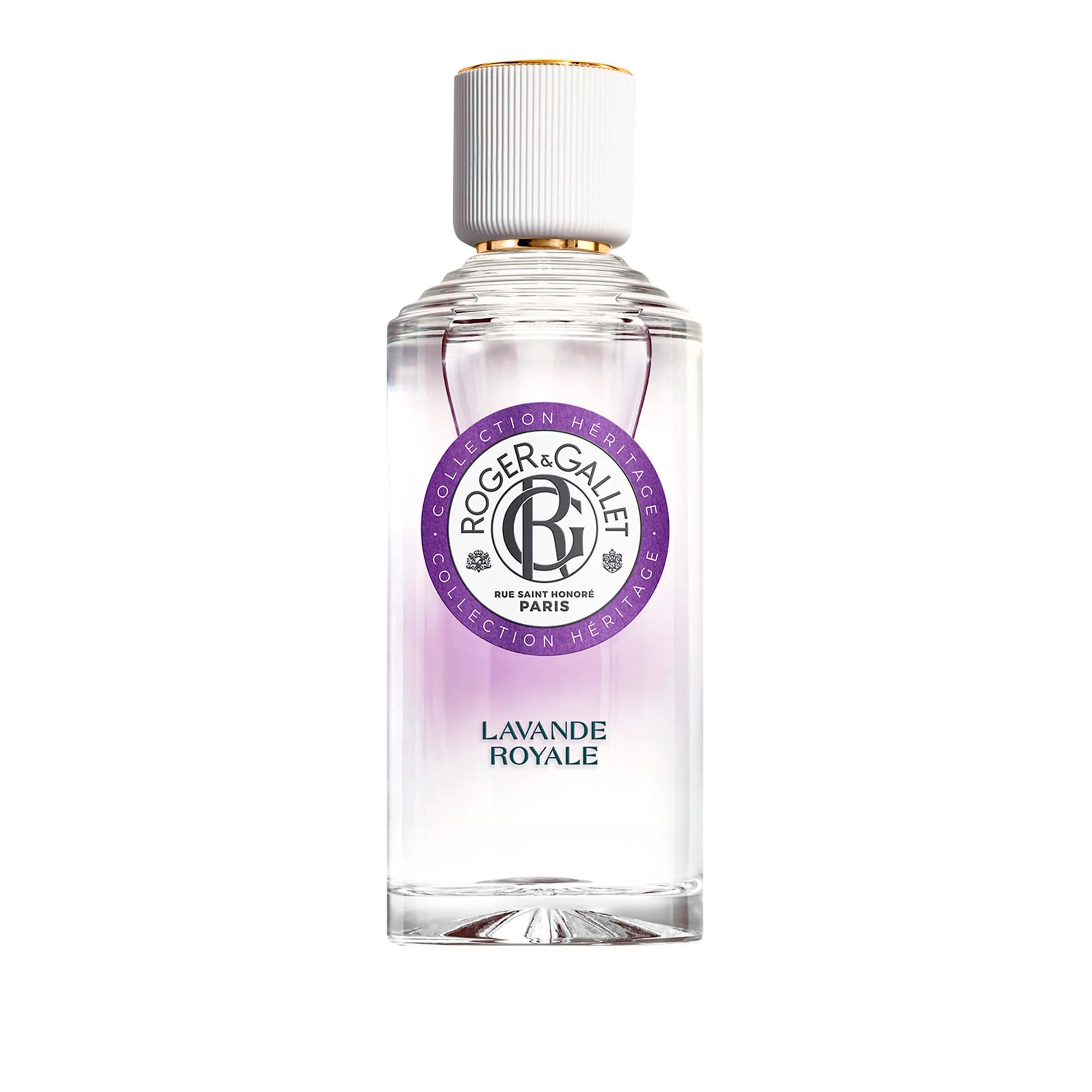
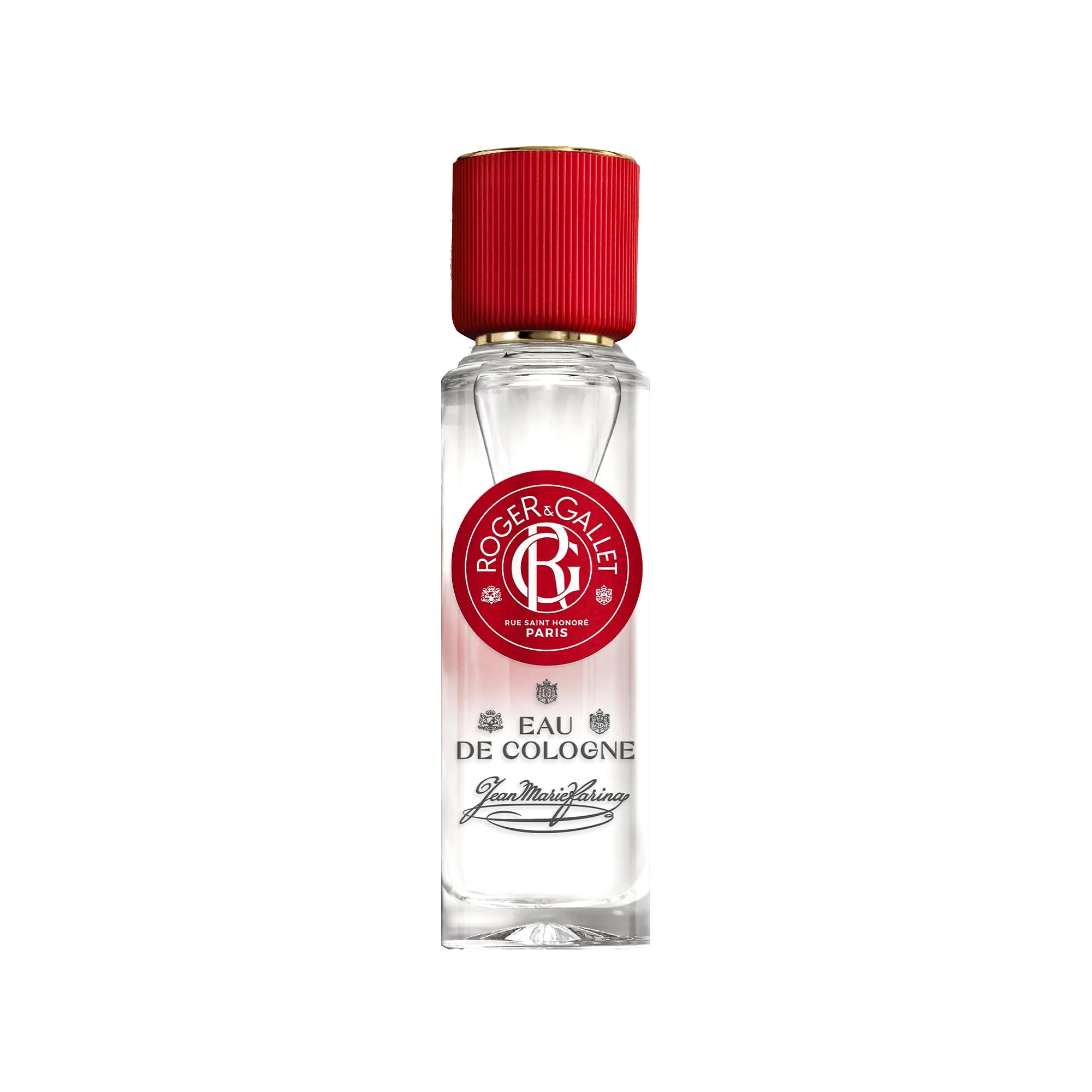
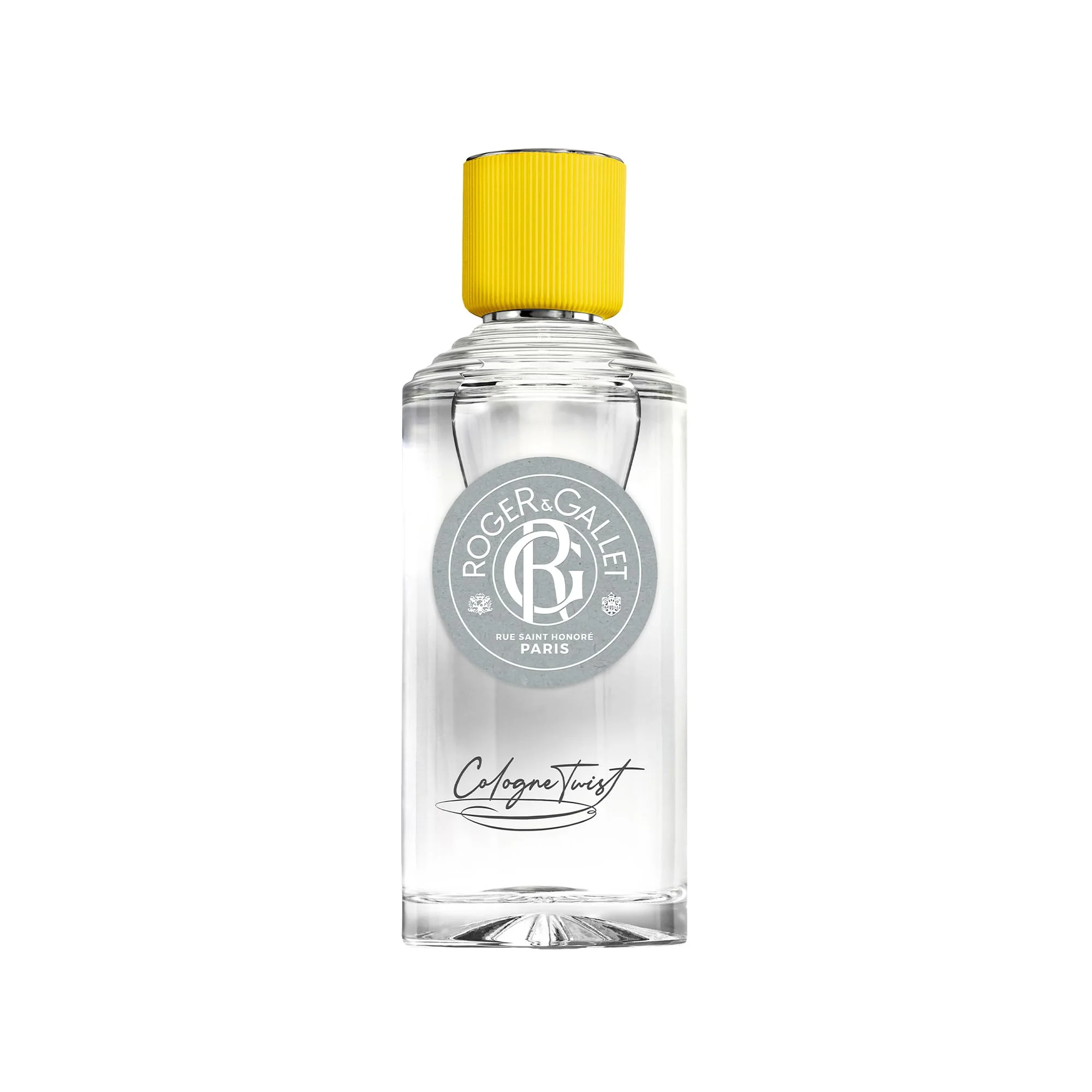
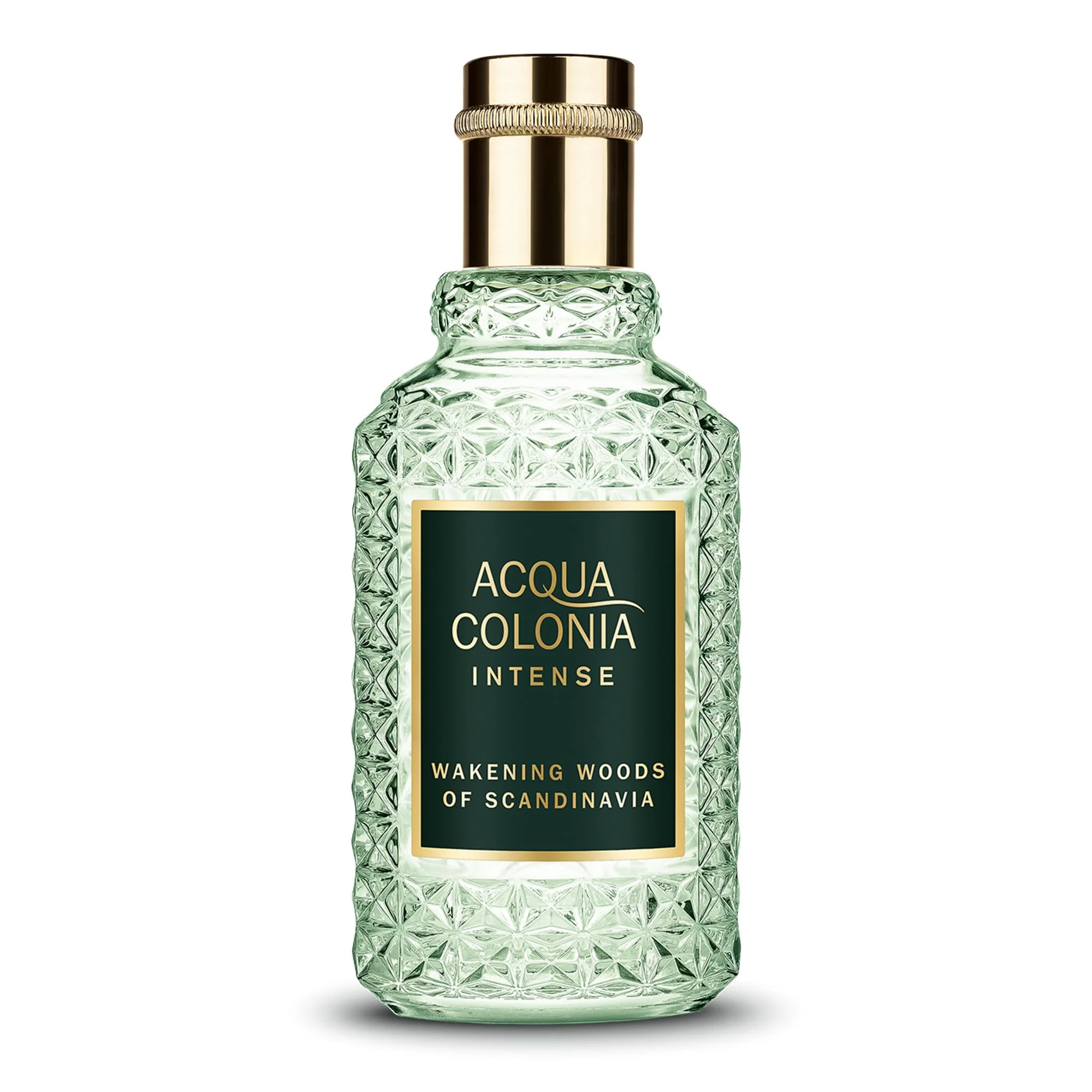
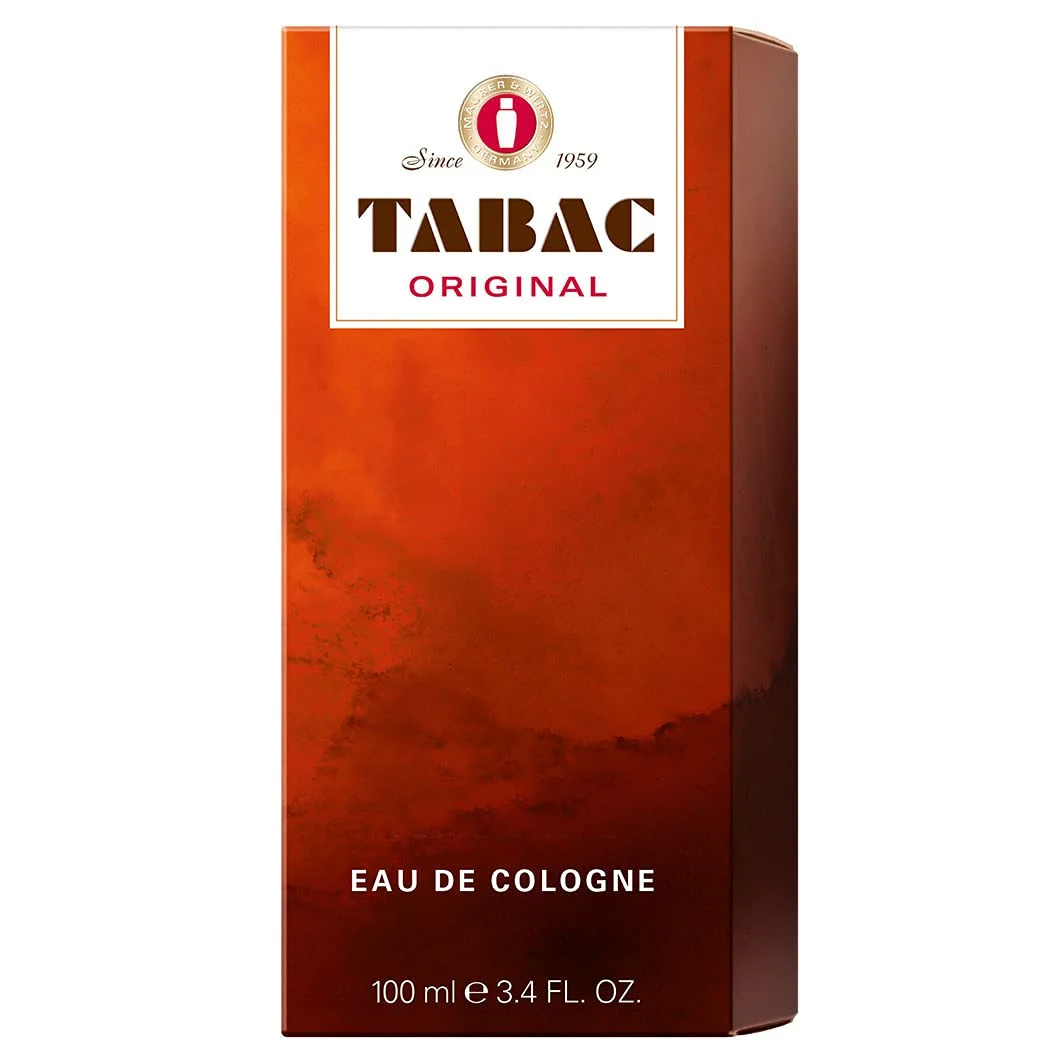
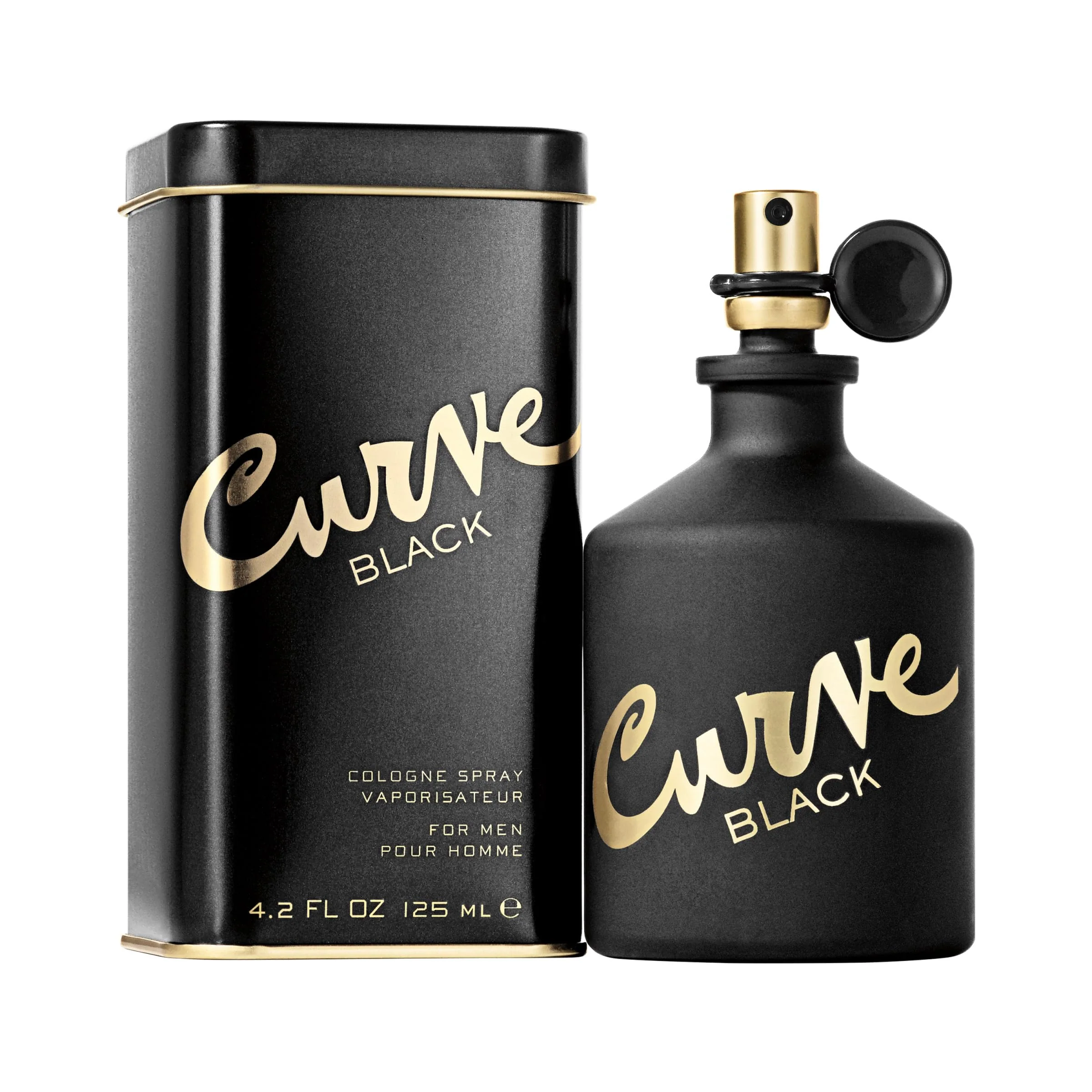
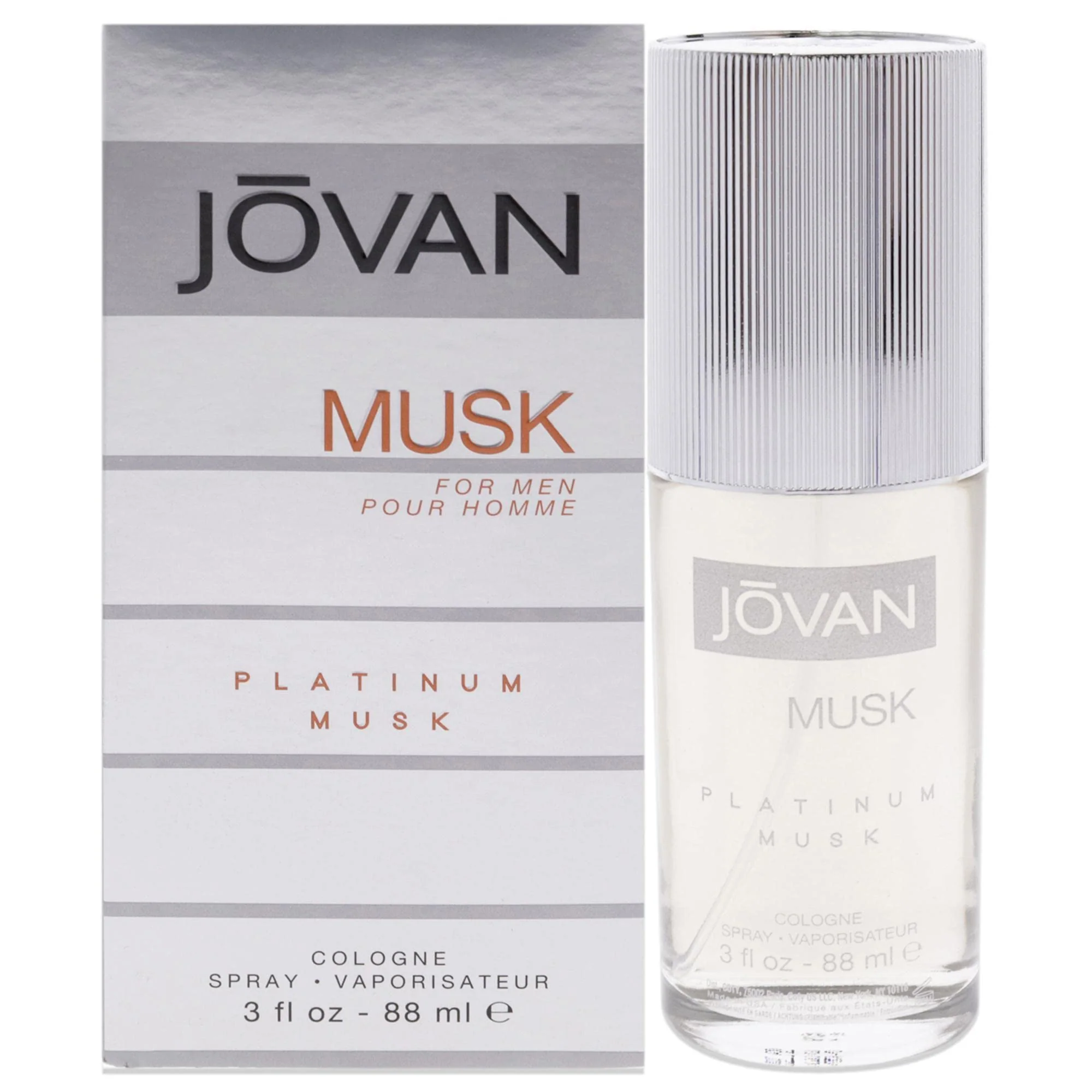
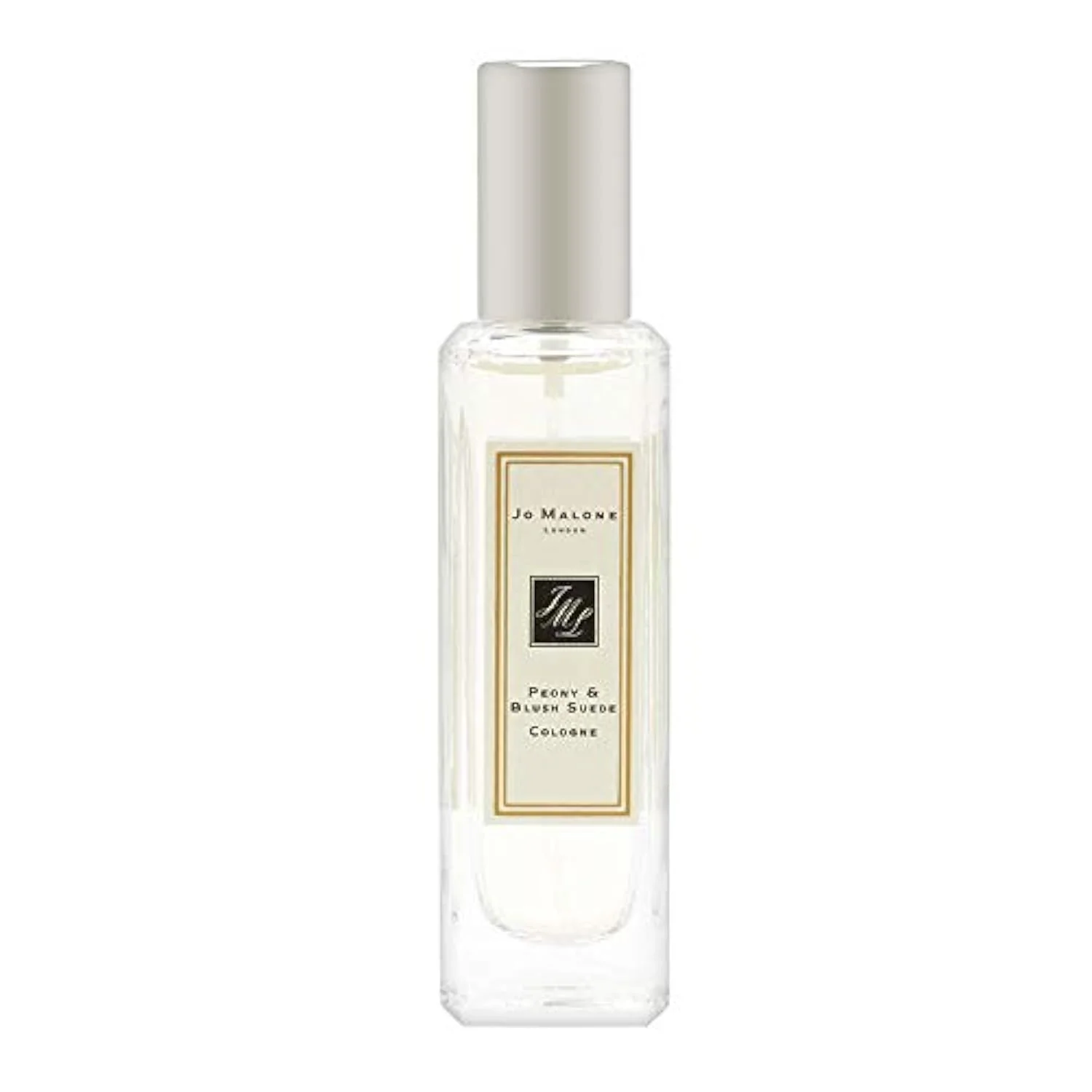
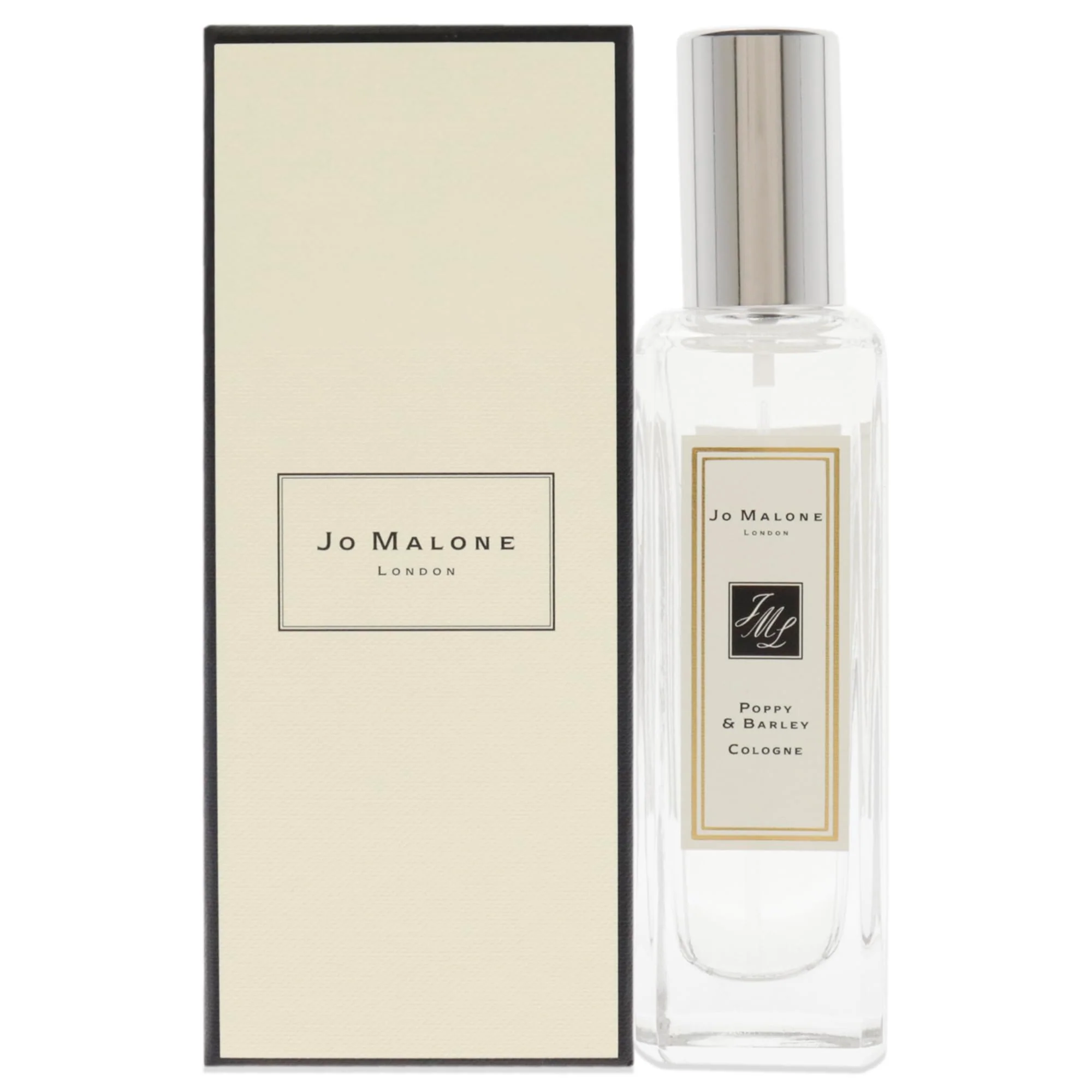
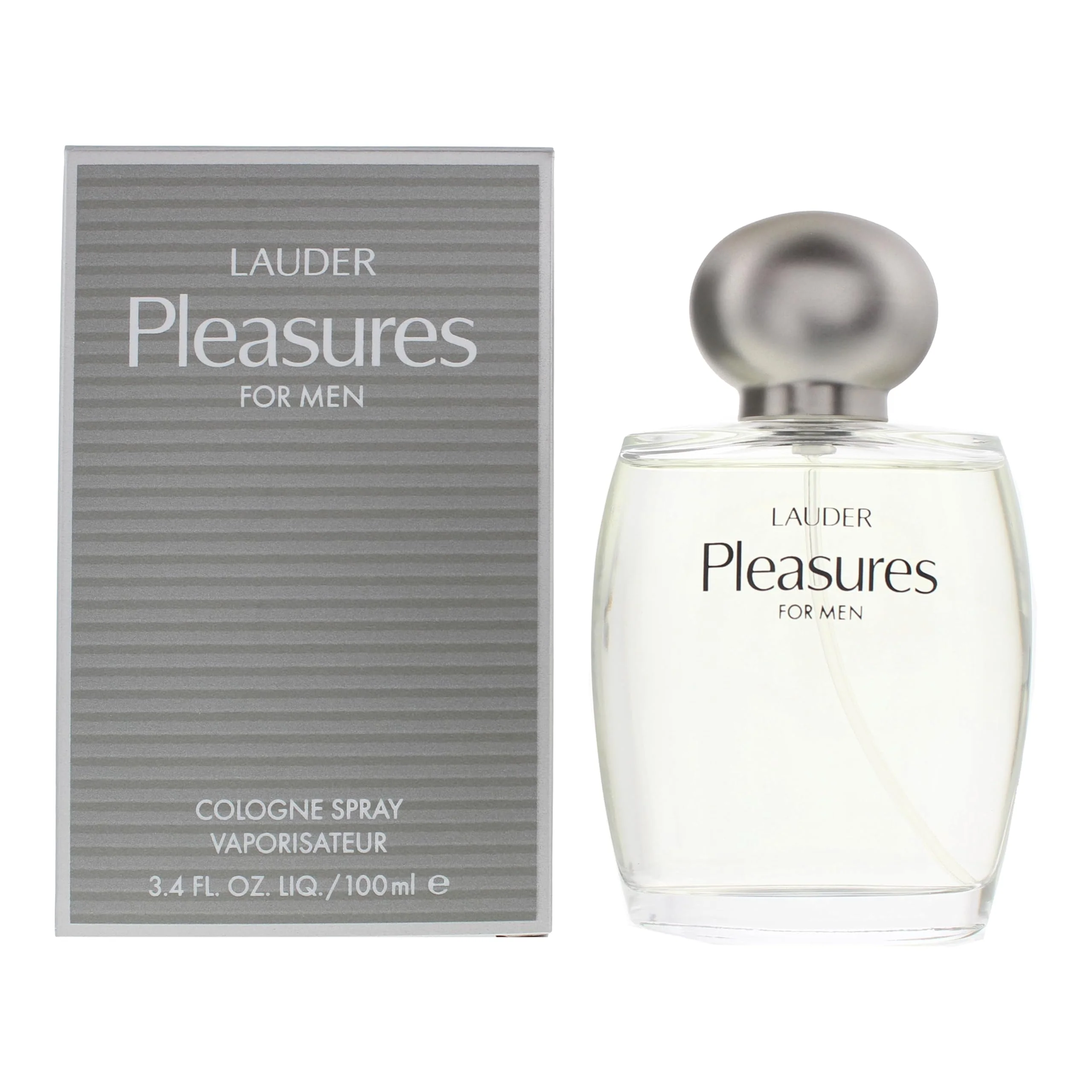
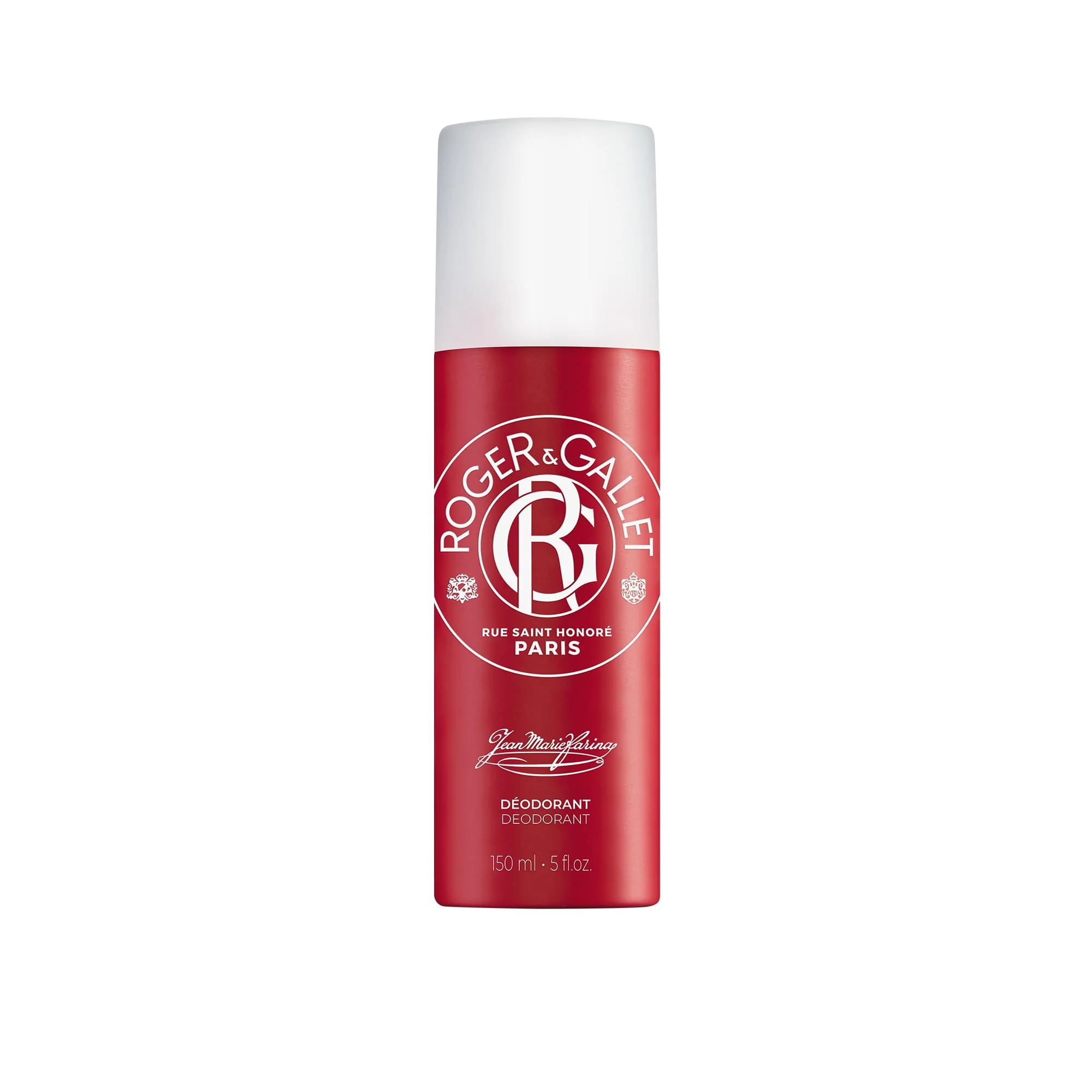
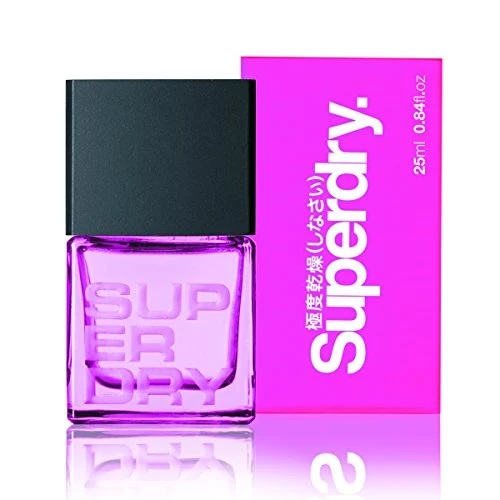
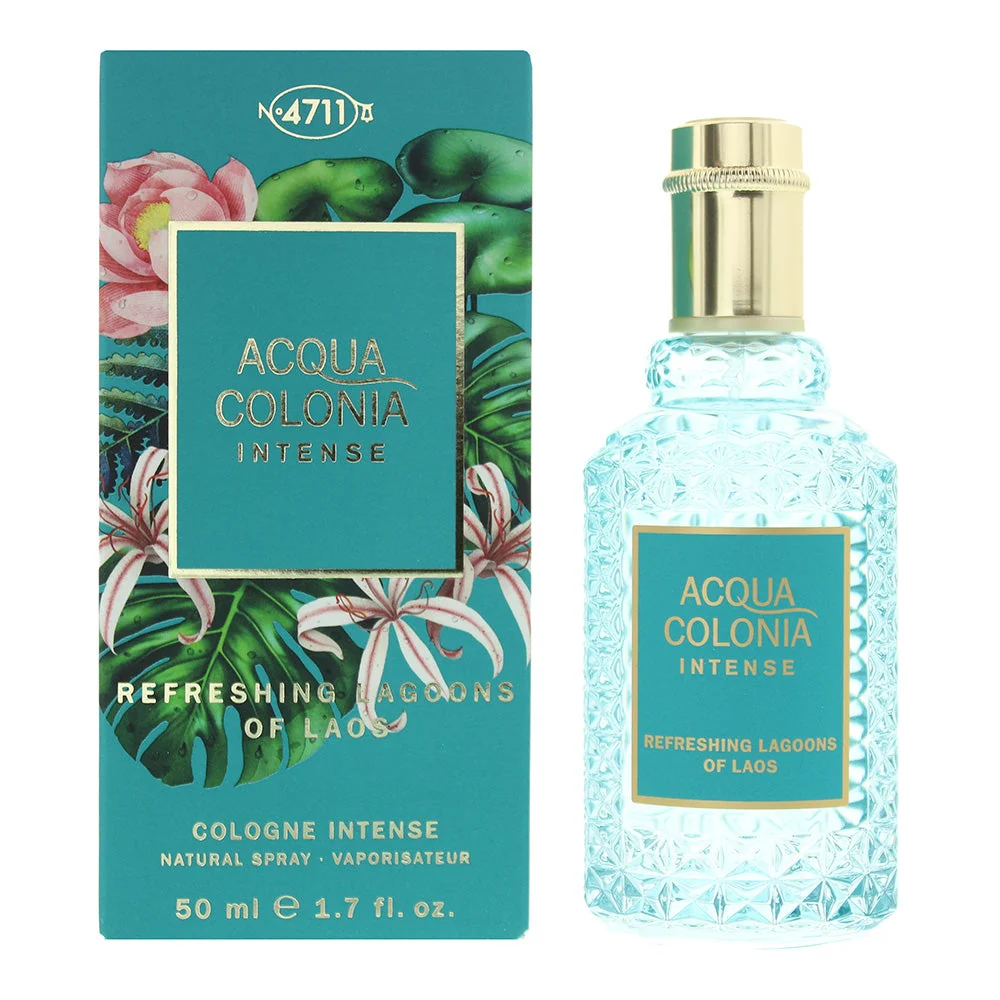
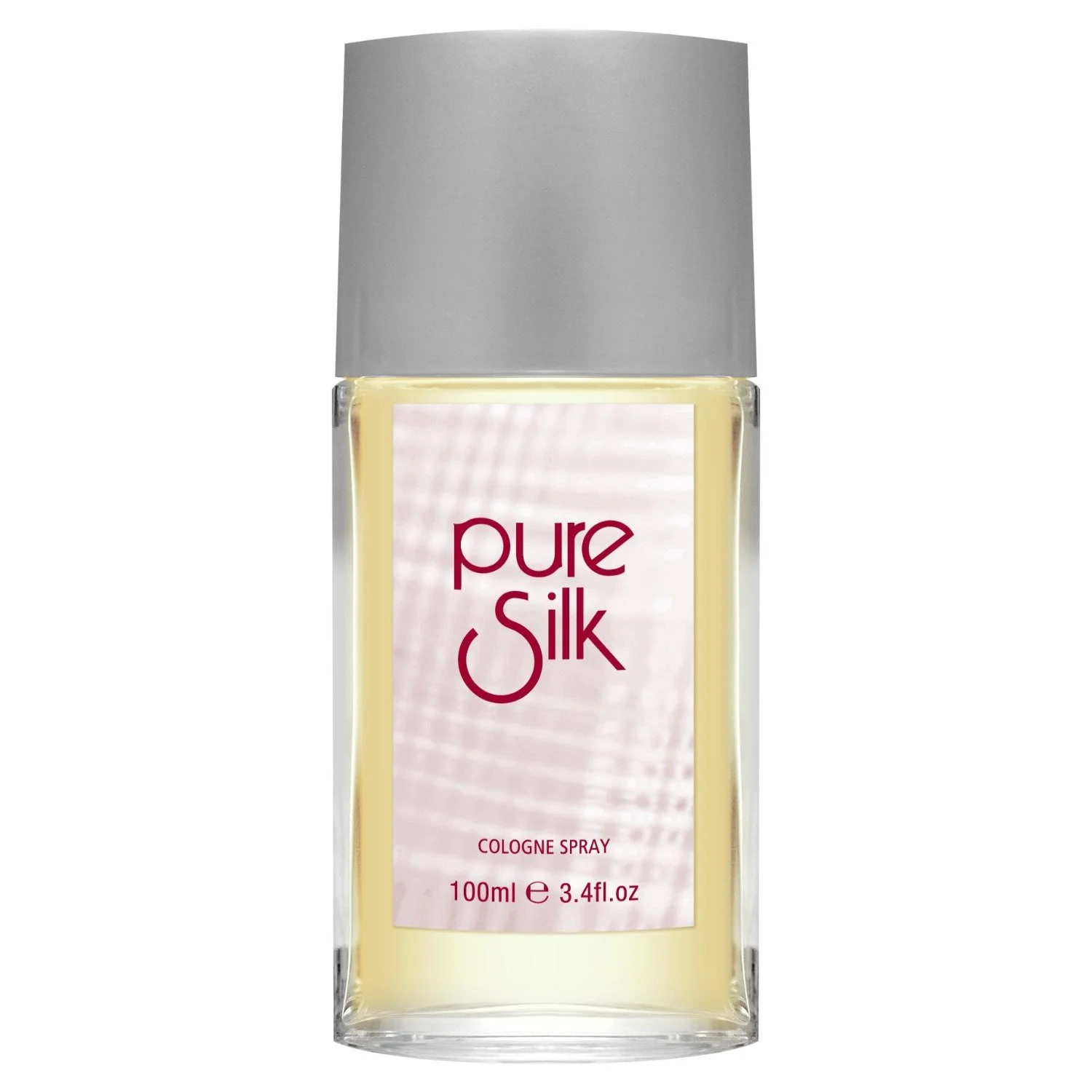
About Eau de cologne
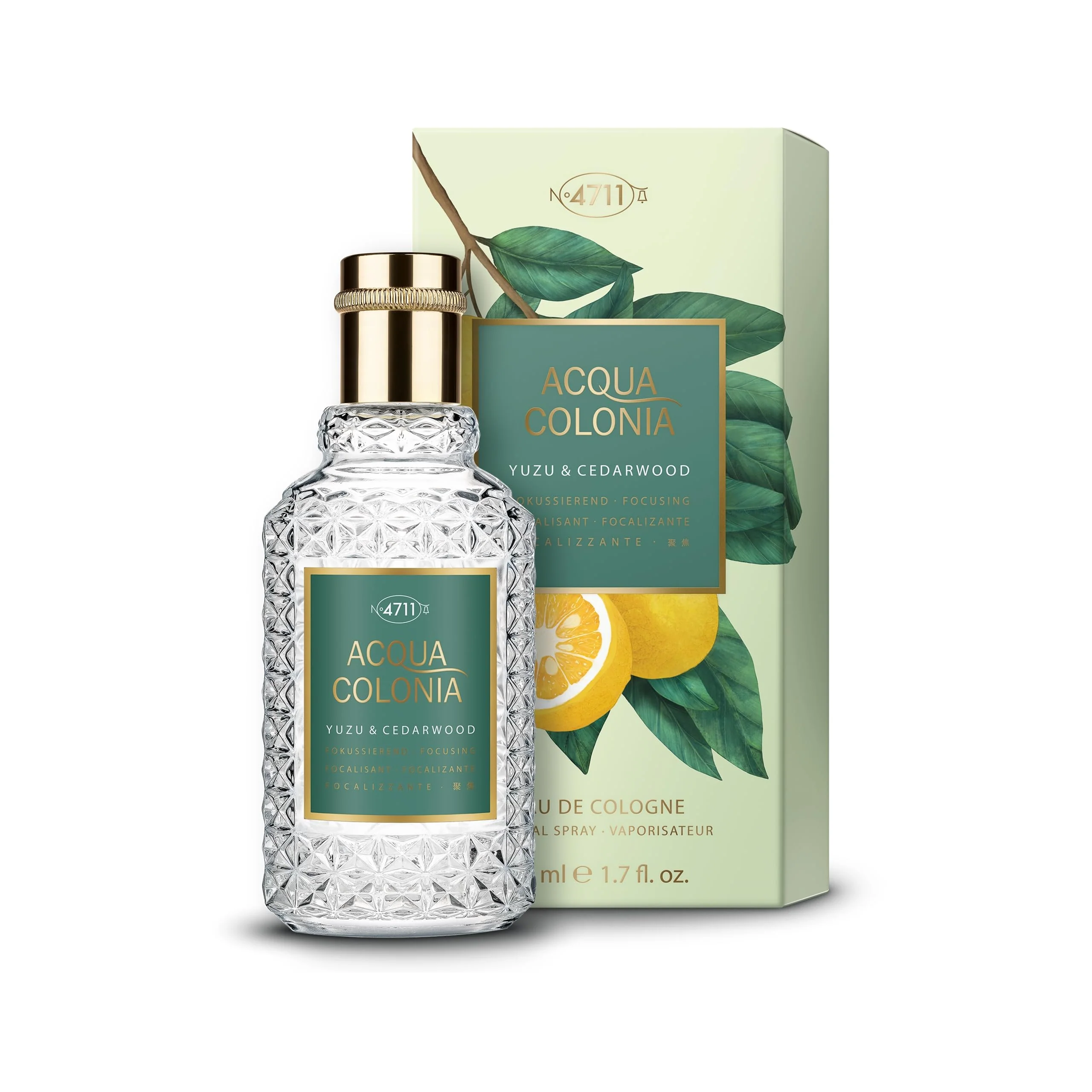
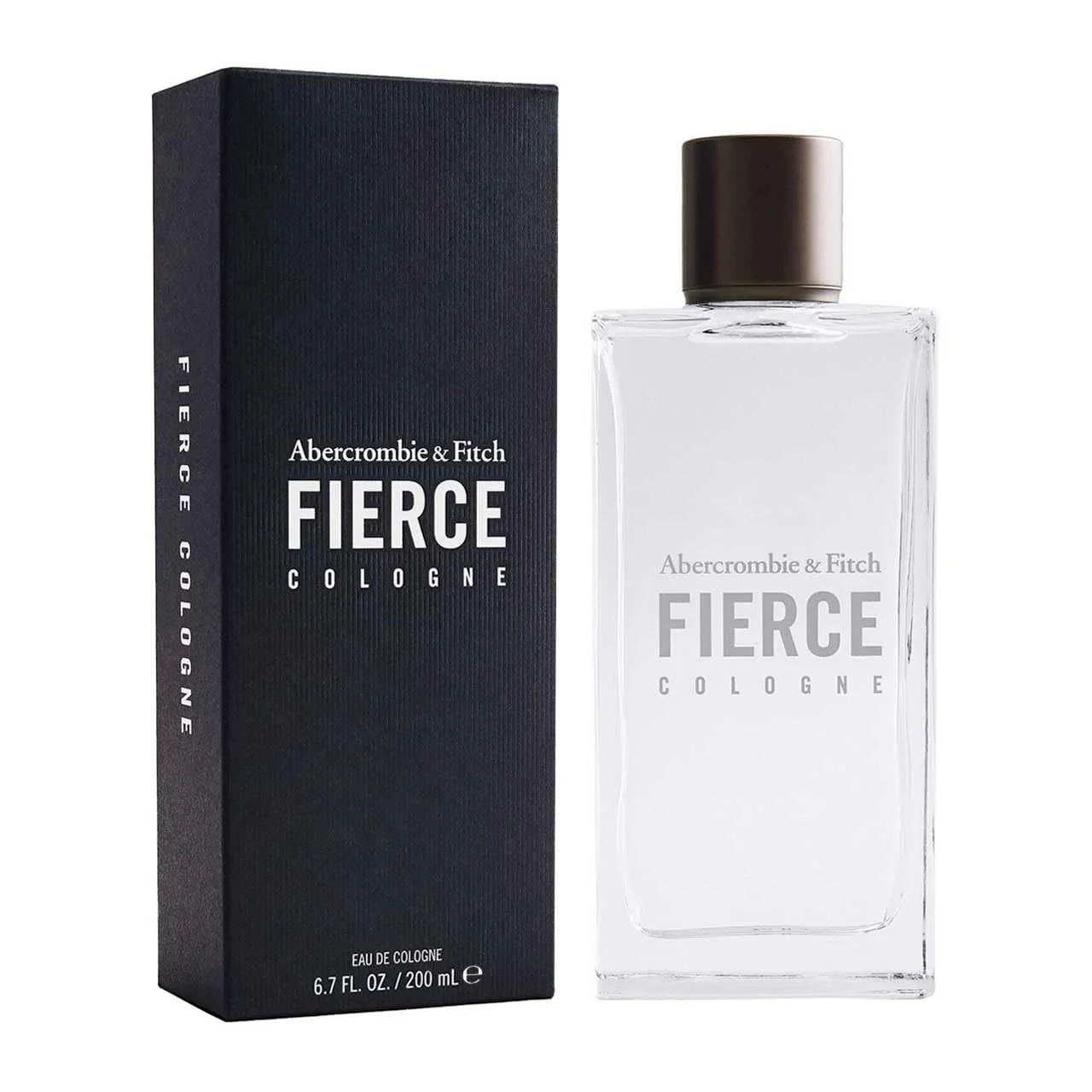
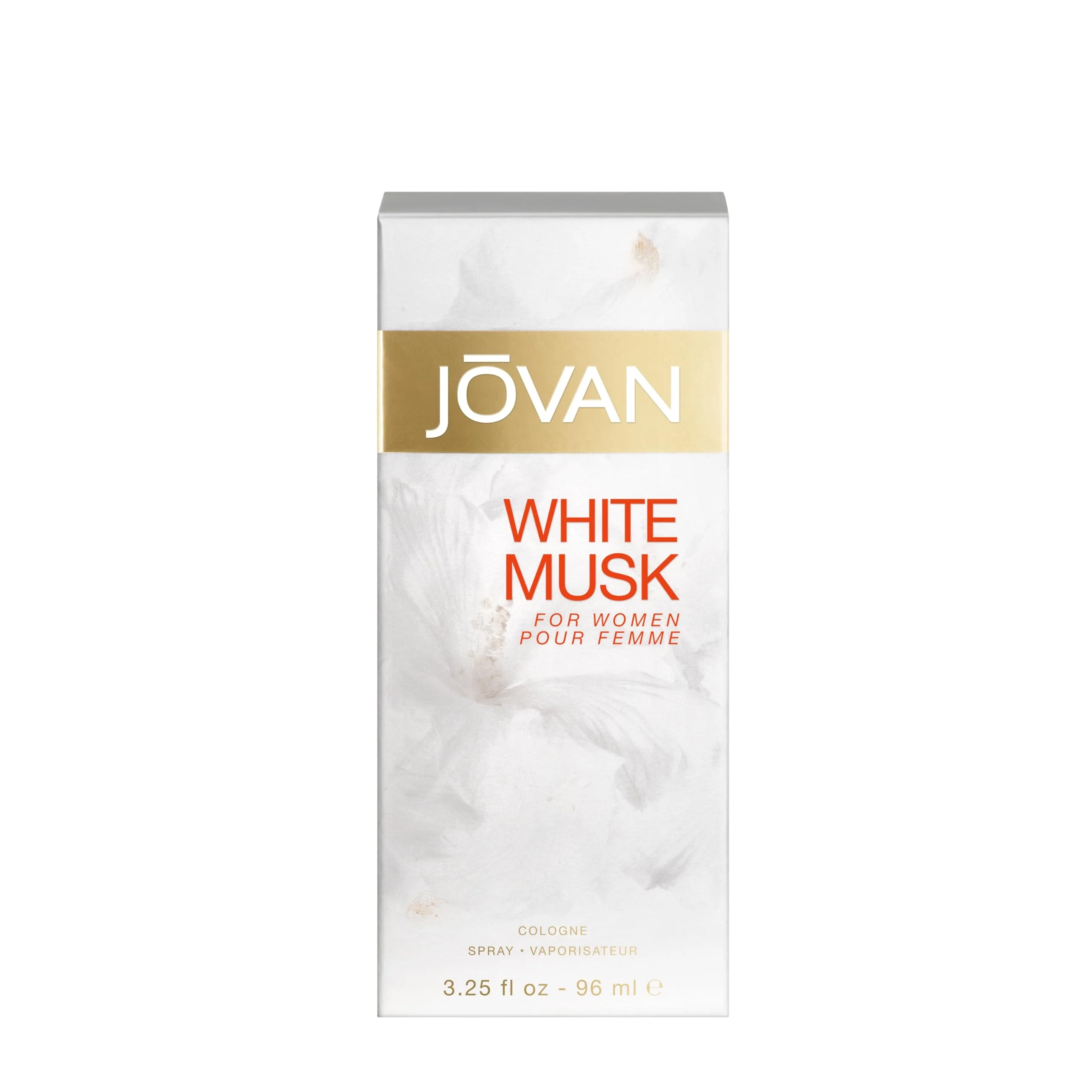
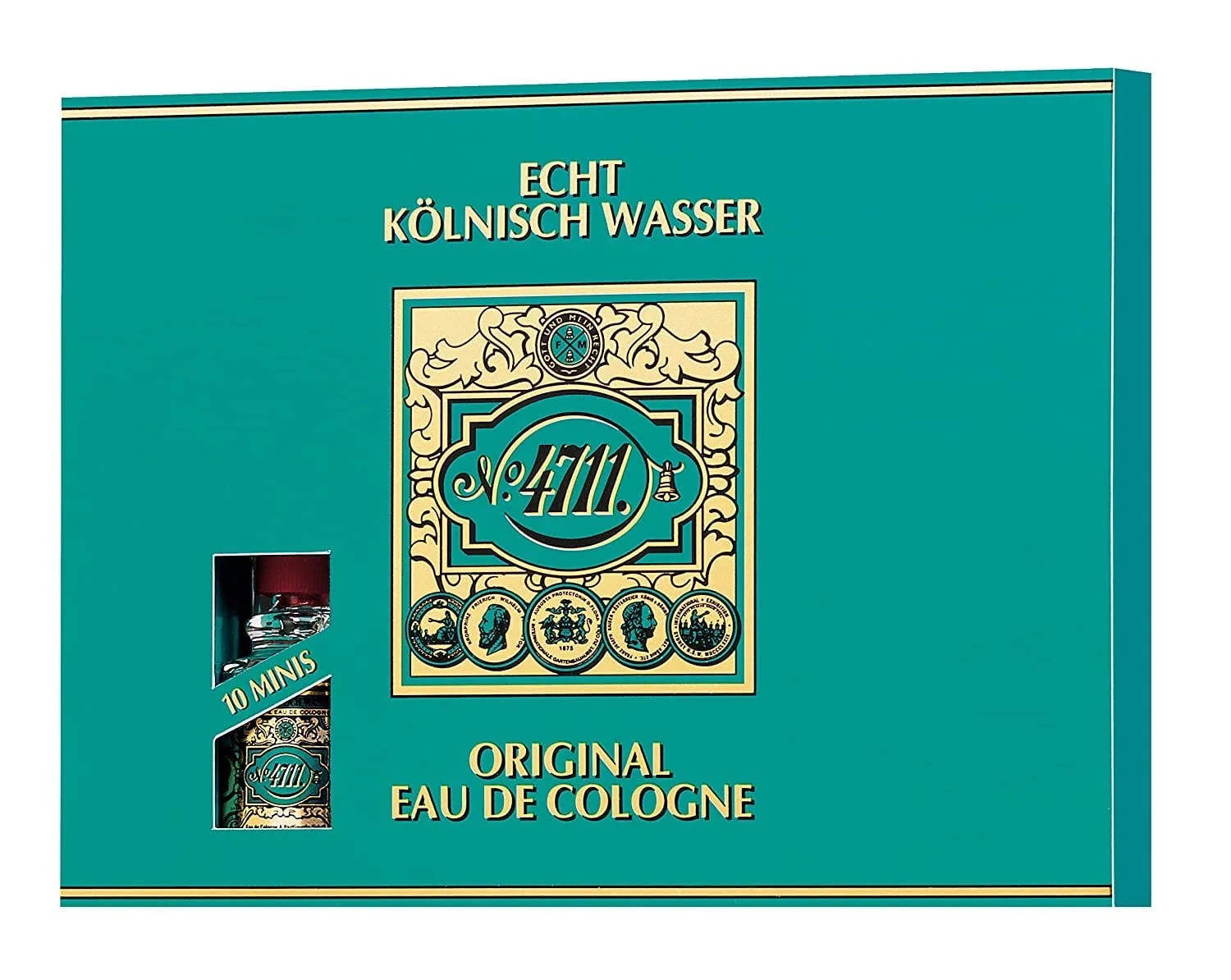
Eau de Cologne traditionally refers to a light, fresh fragrance style built around citrus, herbs and aromatic materials, and today it is also used as a concentration label. Colognes generally feel brisk and transparent, with a shorter wear time than denser perfume formats, although modern interpretations vary considerably. The term should not be confused with the casual use of “cologne” to mean any men’s fragrance. Classic examples emphasize bergamot, lemon, neroli and herbs, creating a bright effect that is particularly associated with warm weather and generous application. Temperature, humidity and where the fragrance is sprayed can all change how quickly it opens, projects and settles. Concentration labels offer useful context but should not become a hierarchy of quality. An eau de toilette can be beautifully constructed and persistent, while an extrait can be deliberately intimate. What matters is how the composition is balanced, how it develops over time and whether its style suits the person wearing it. Performance also changes with environment. Heat can make aromatic materials evaporate faster and project more strongly, while cold weather often keeps a scent closer to the body. Dry skin may hold some perfumes differently from well-moisturized skin, and fabric can preserve certain notes for much longer than skin.