
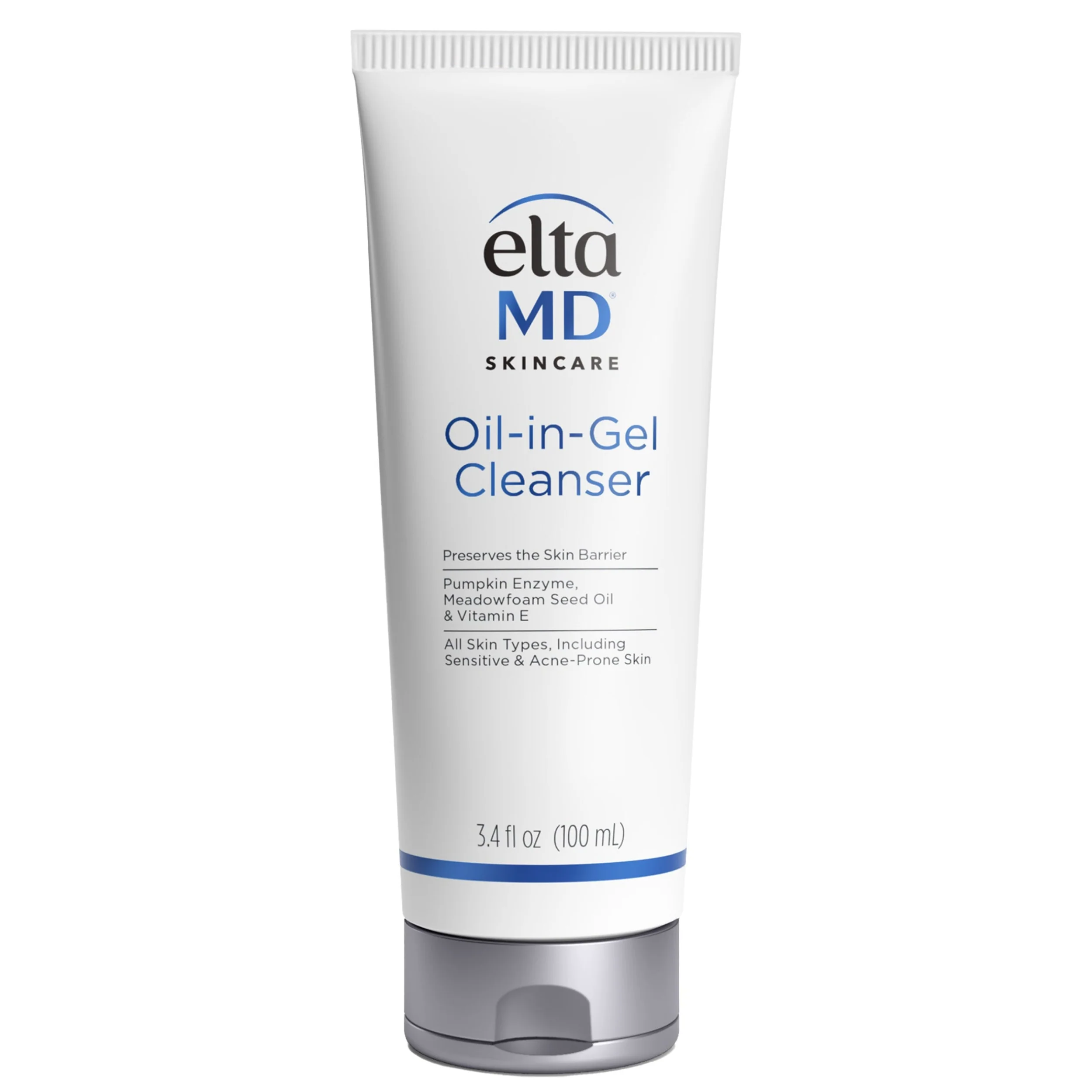
Cleansing Oil / Balm
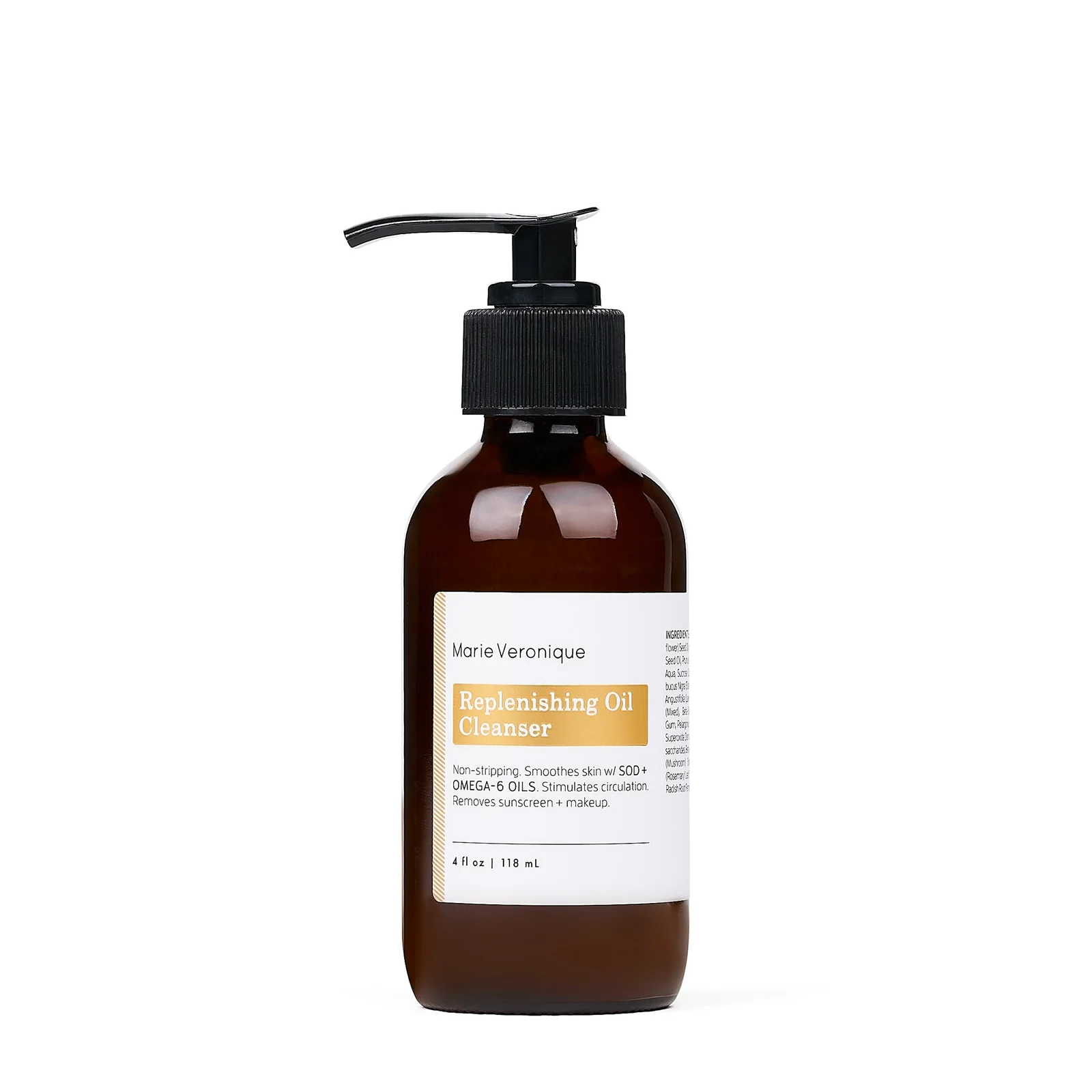
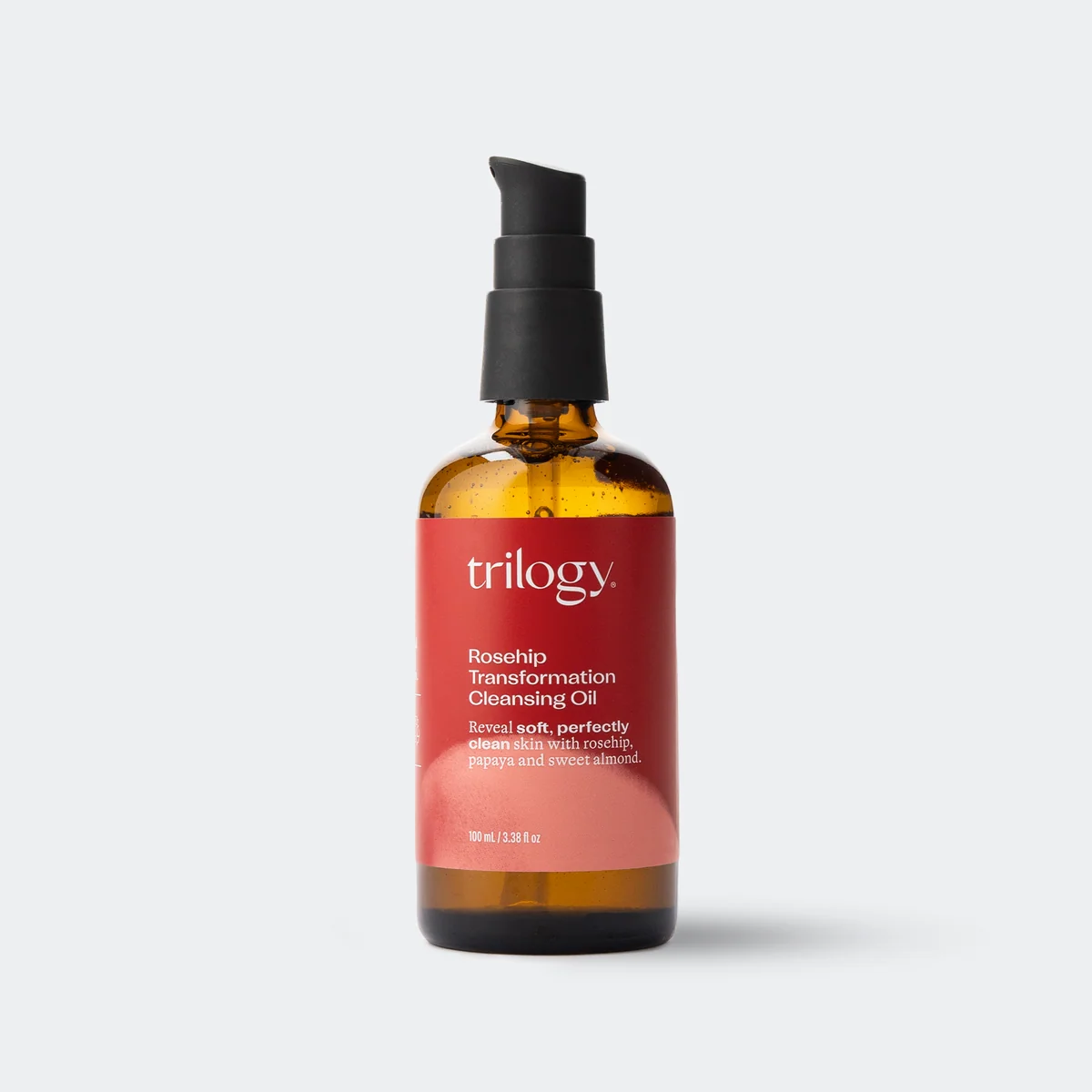
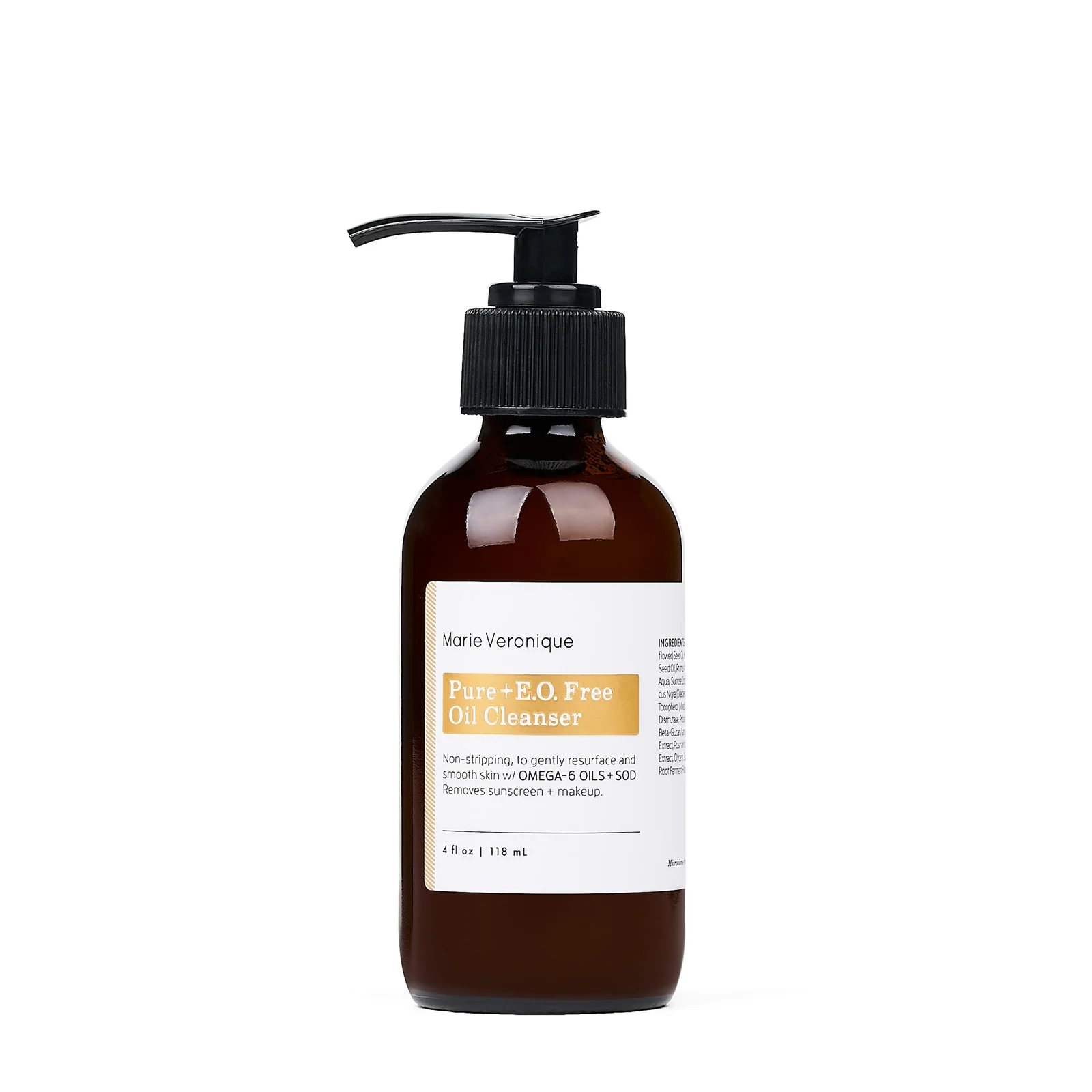
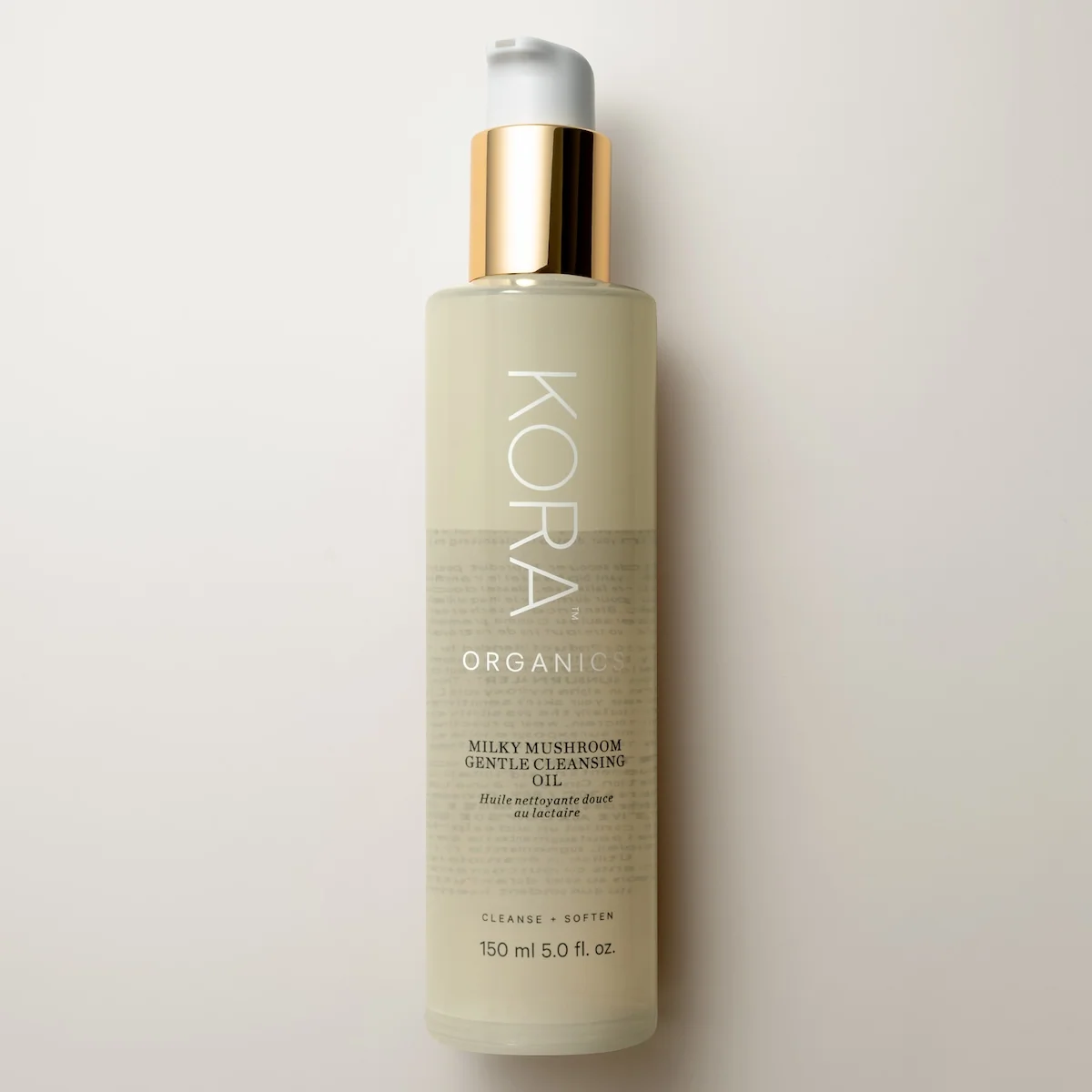
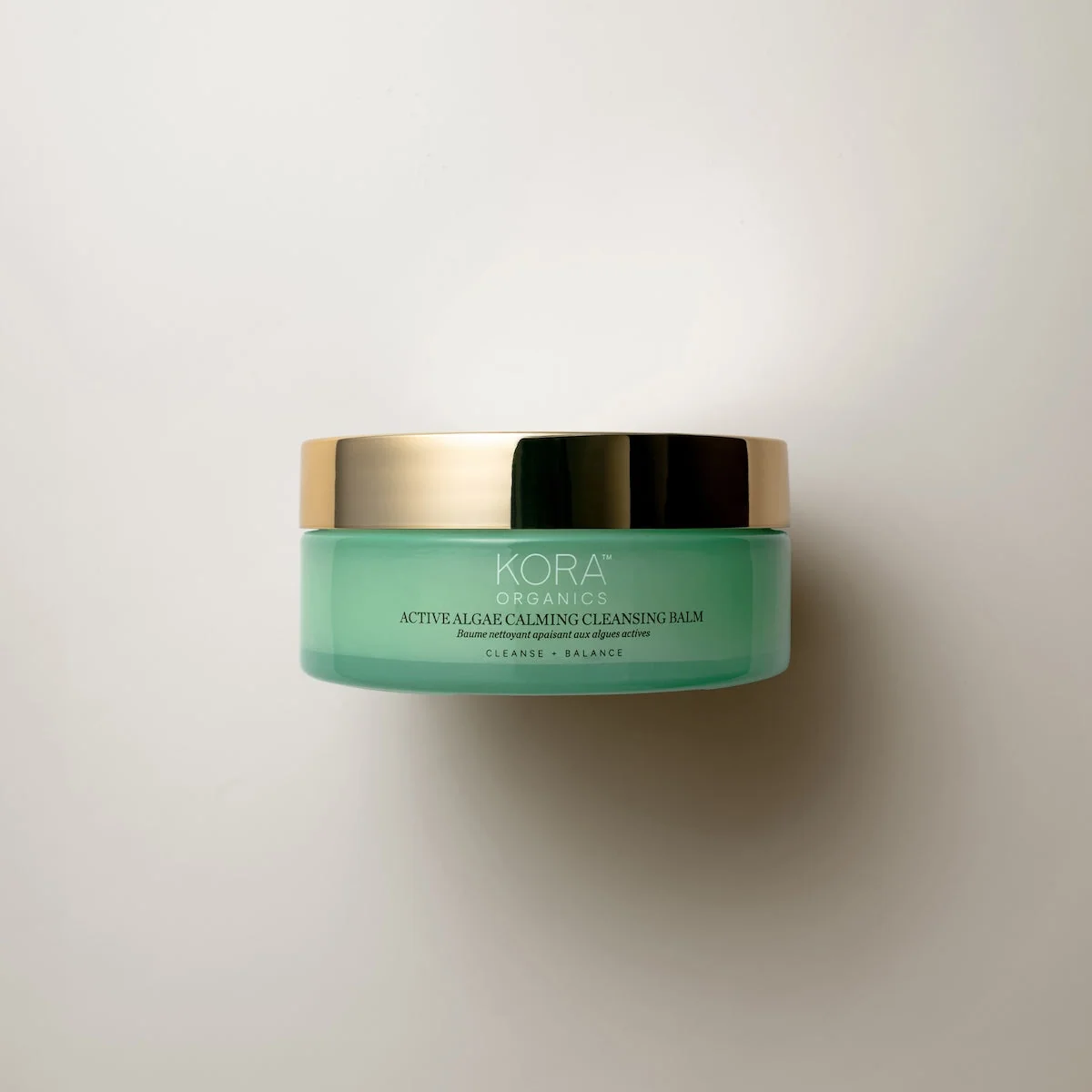
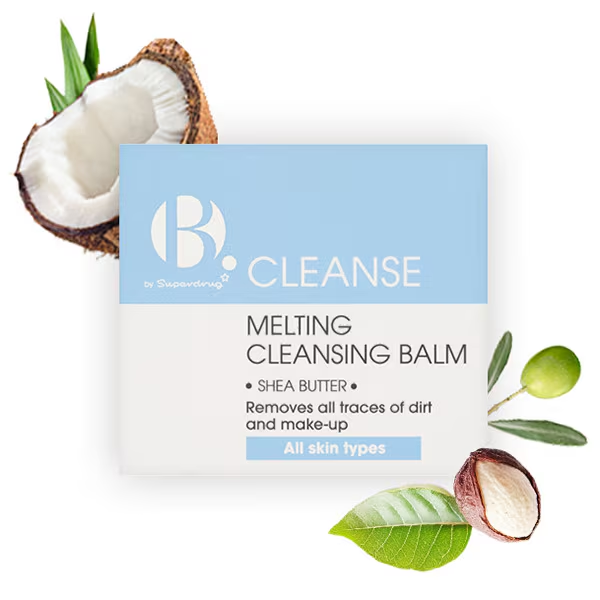
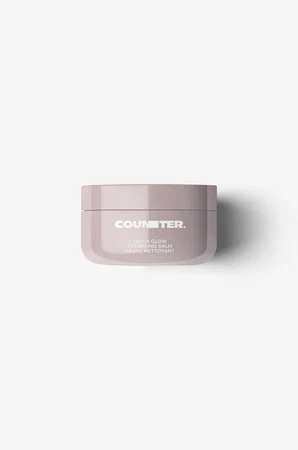
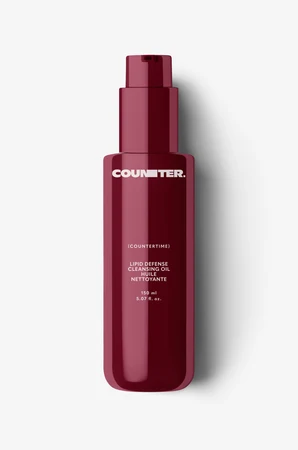
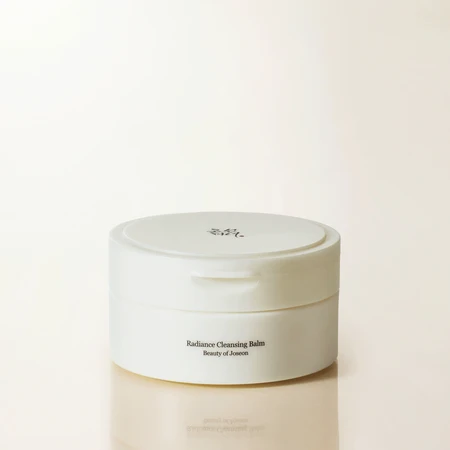
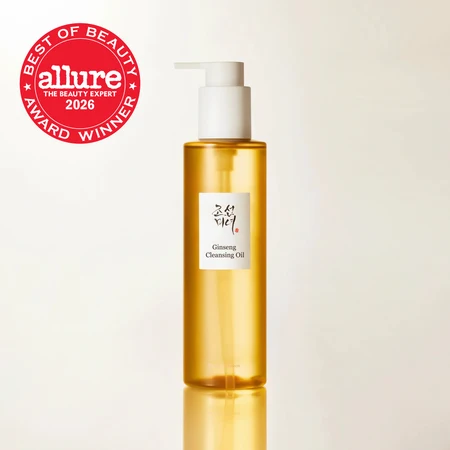
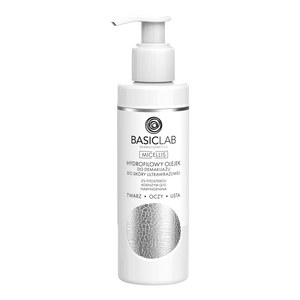
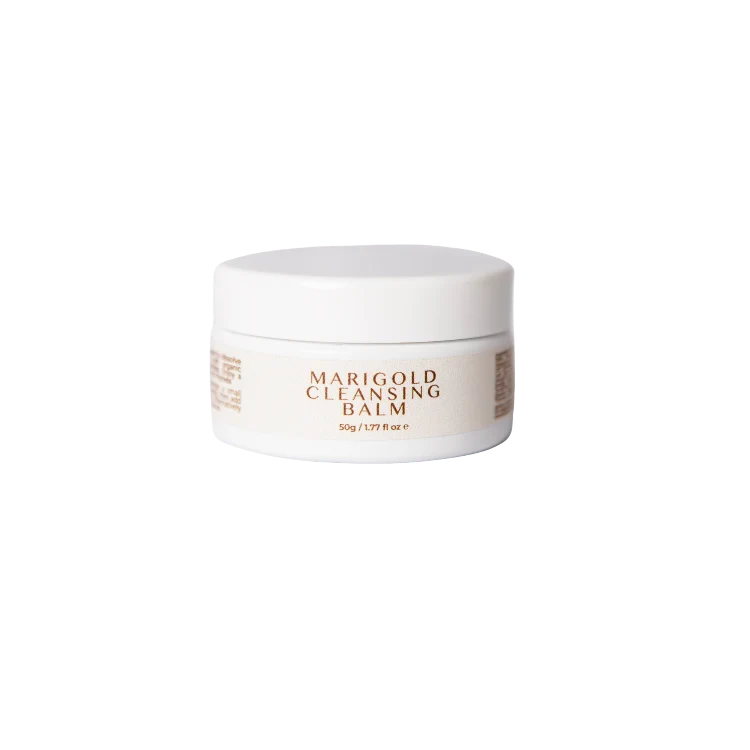
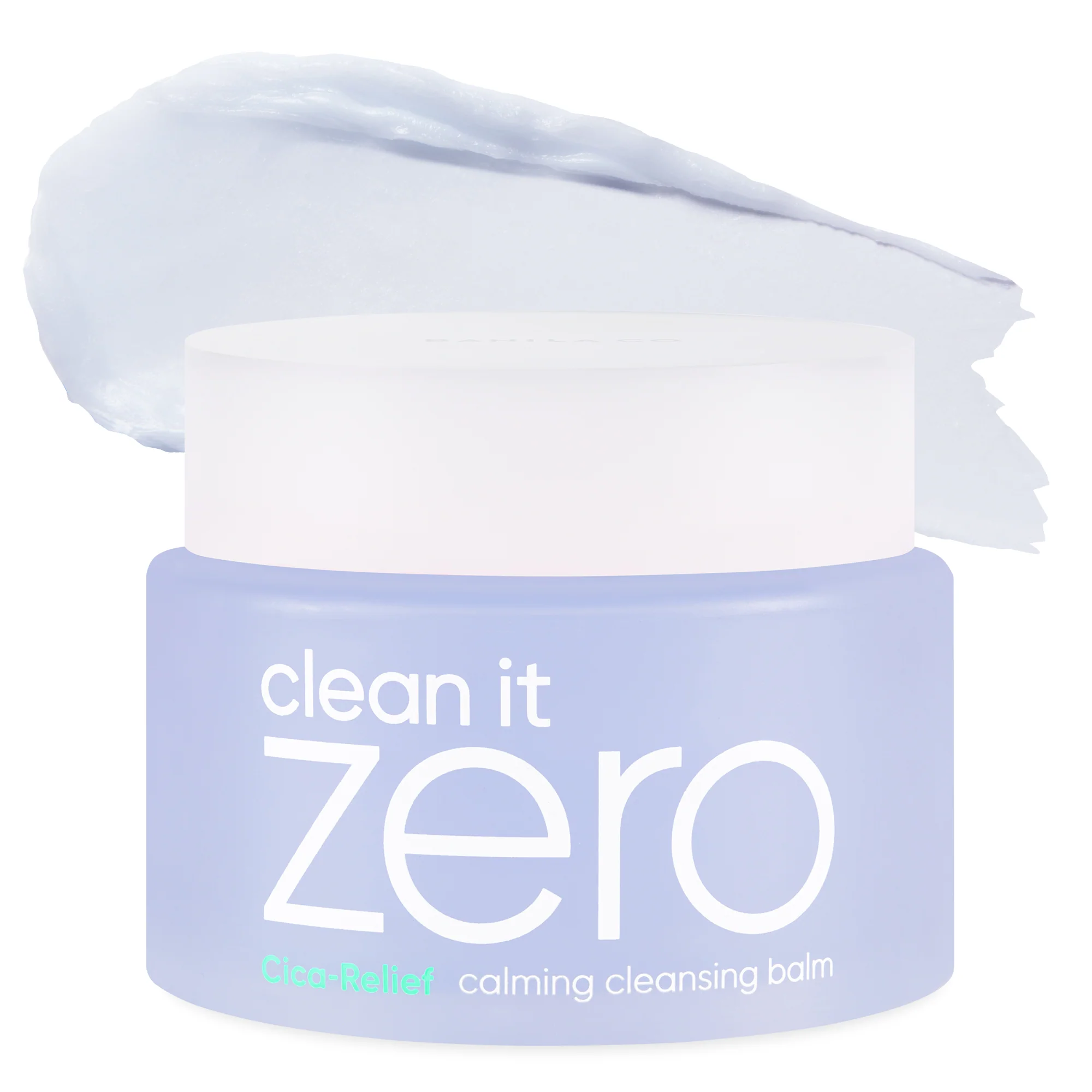
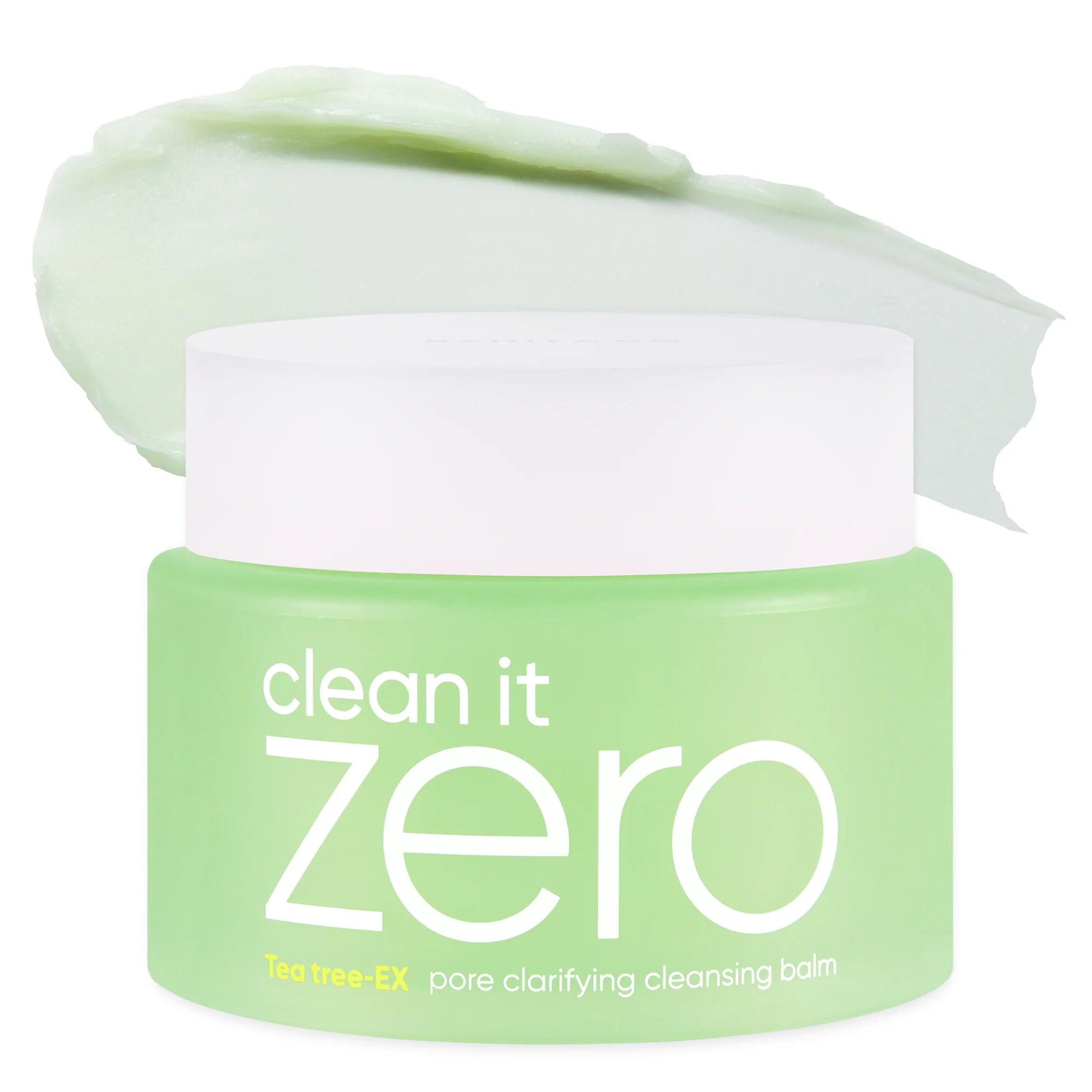
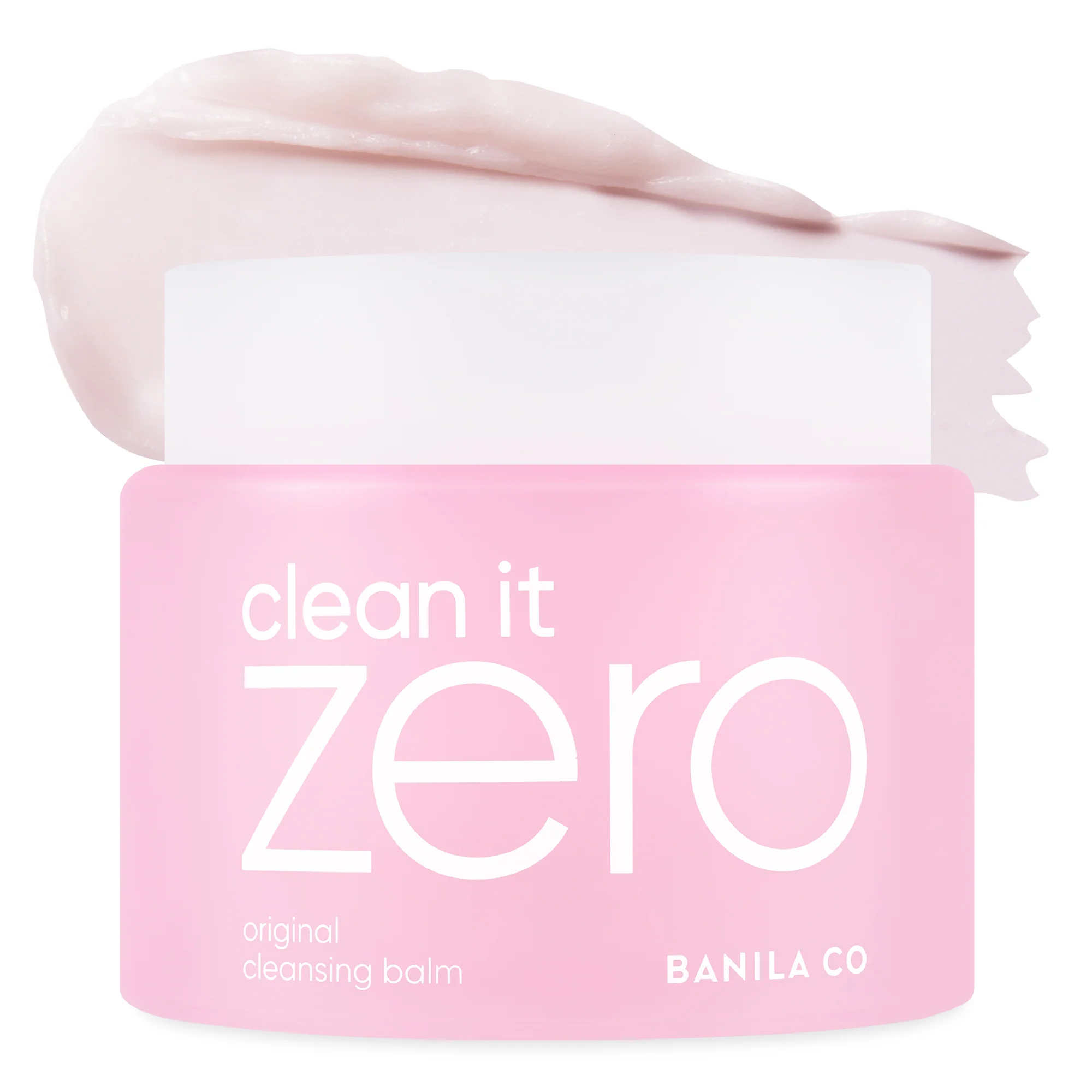
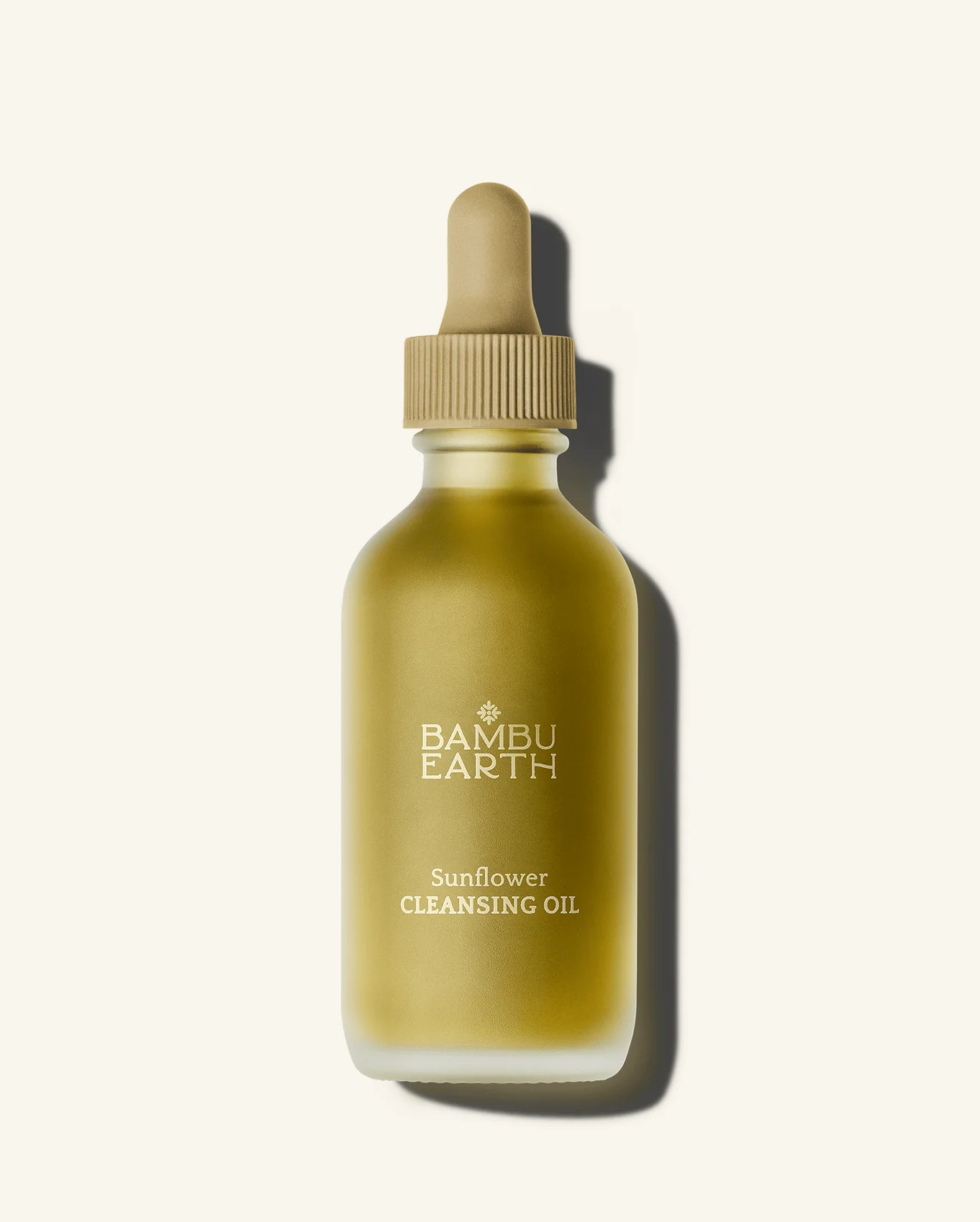
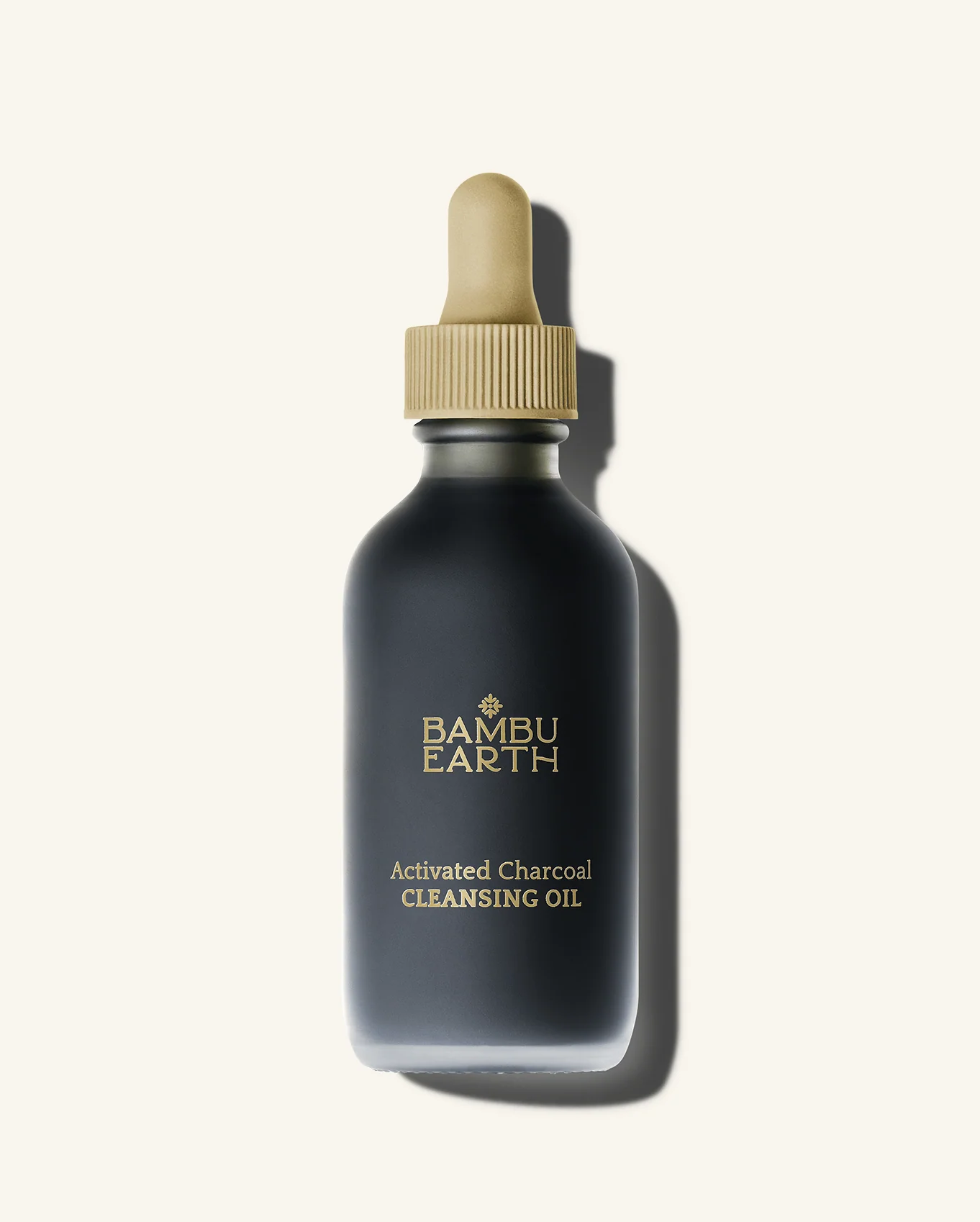
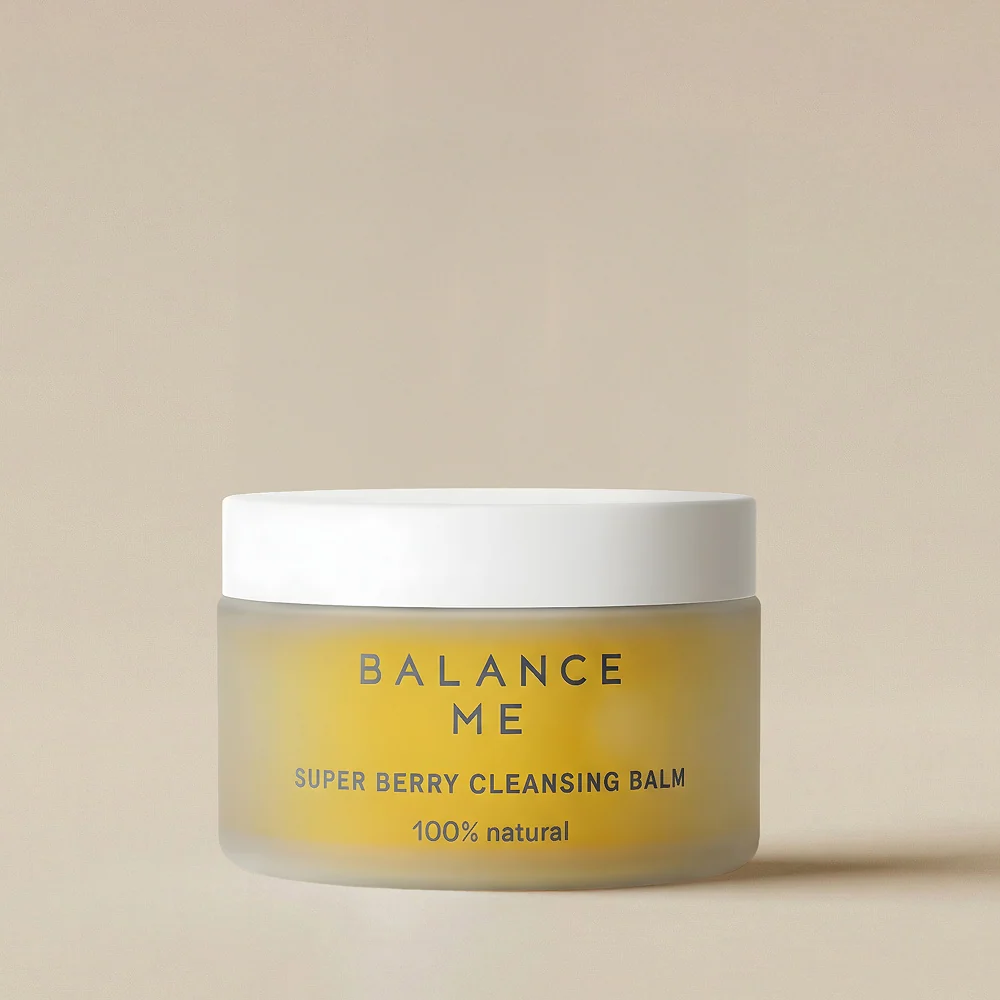
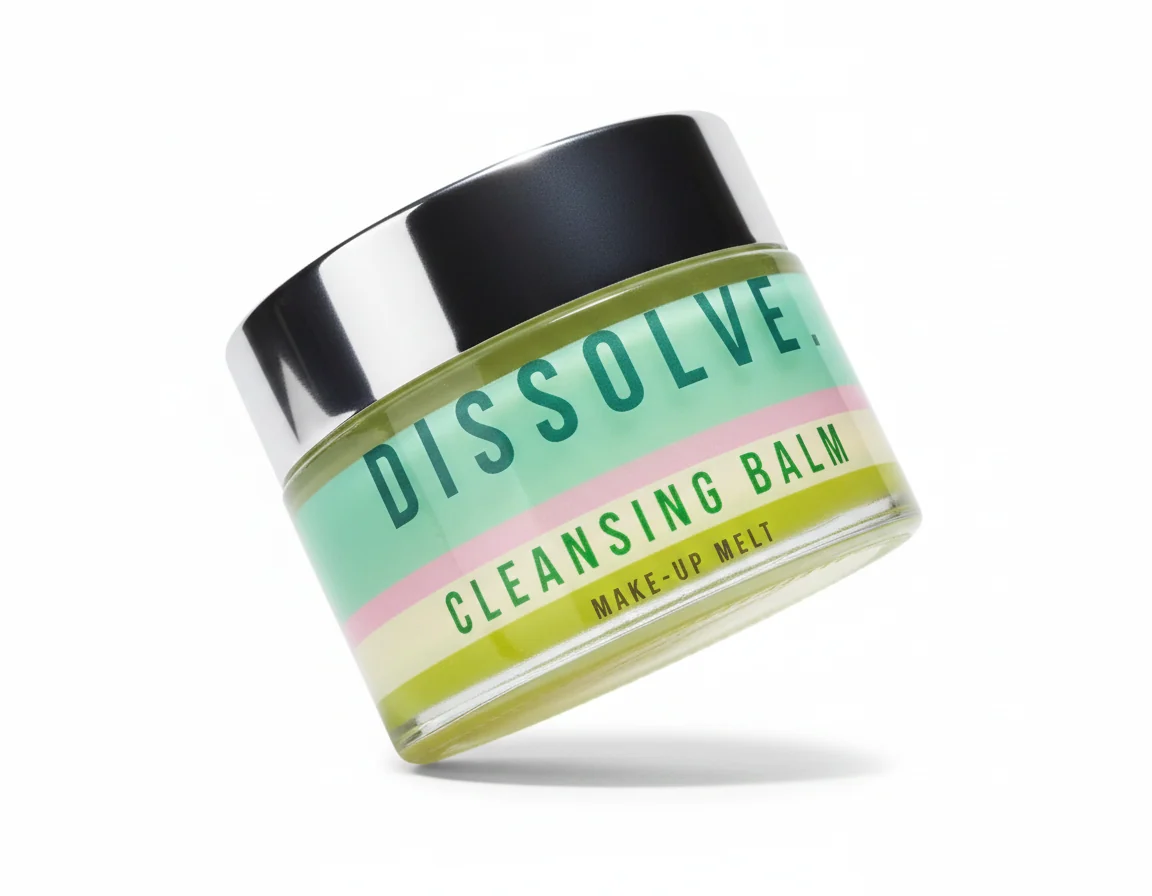
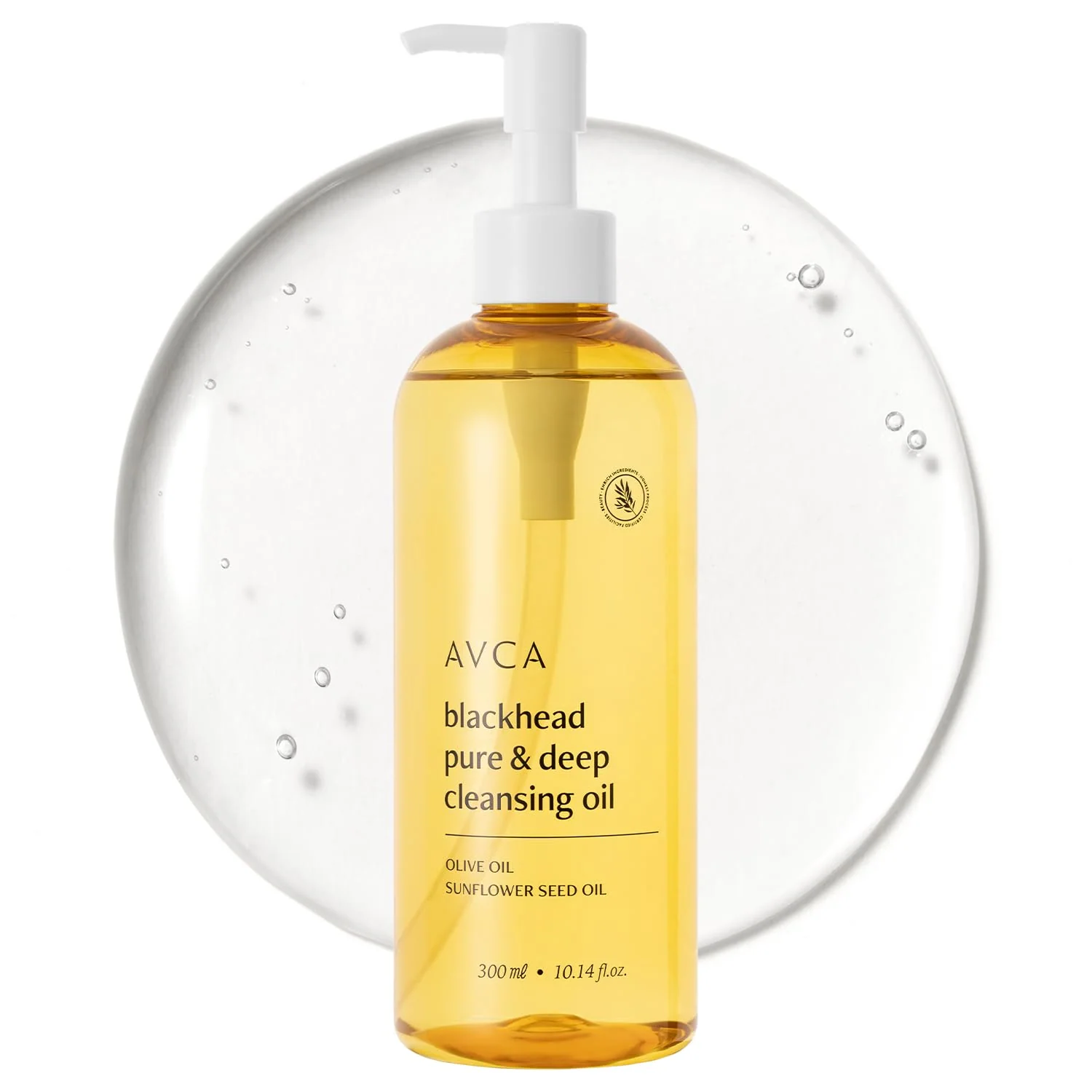
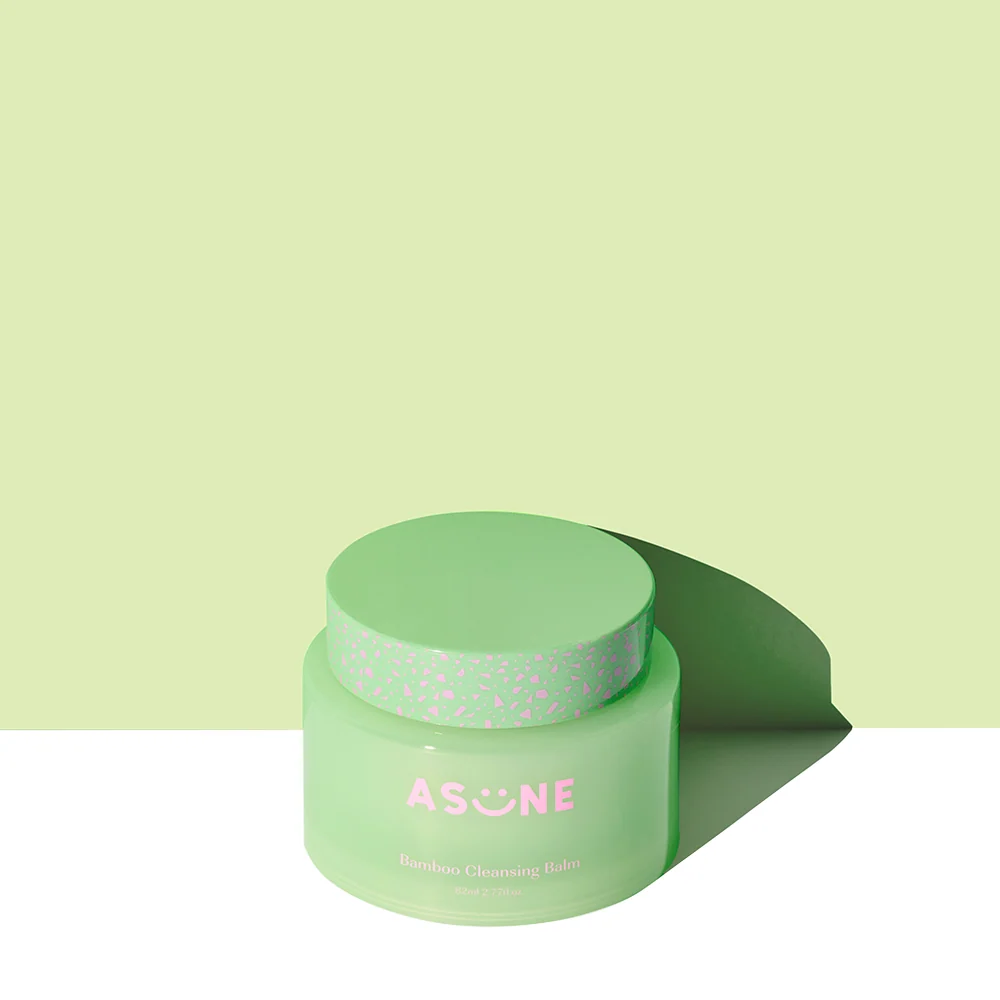
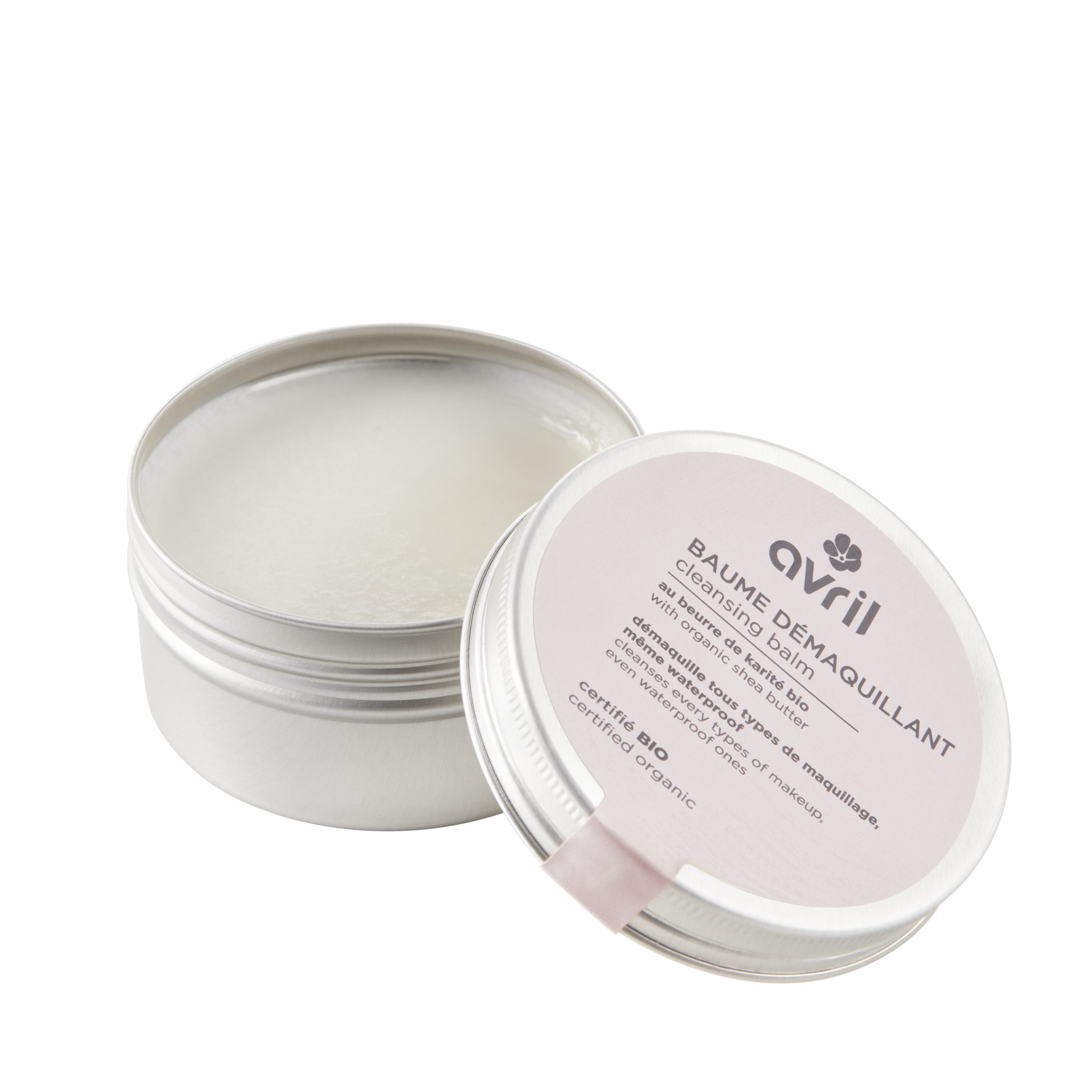
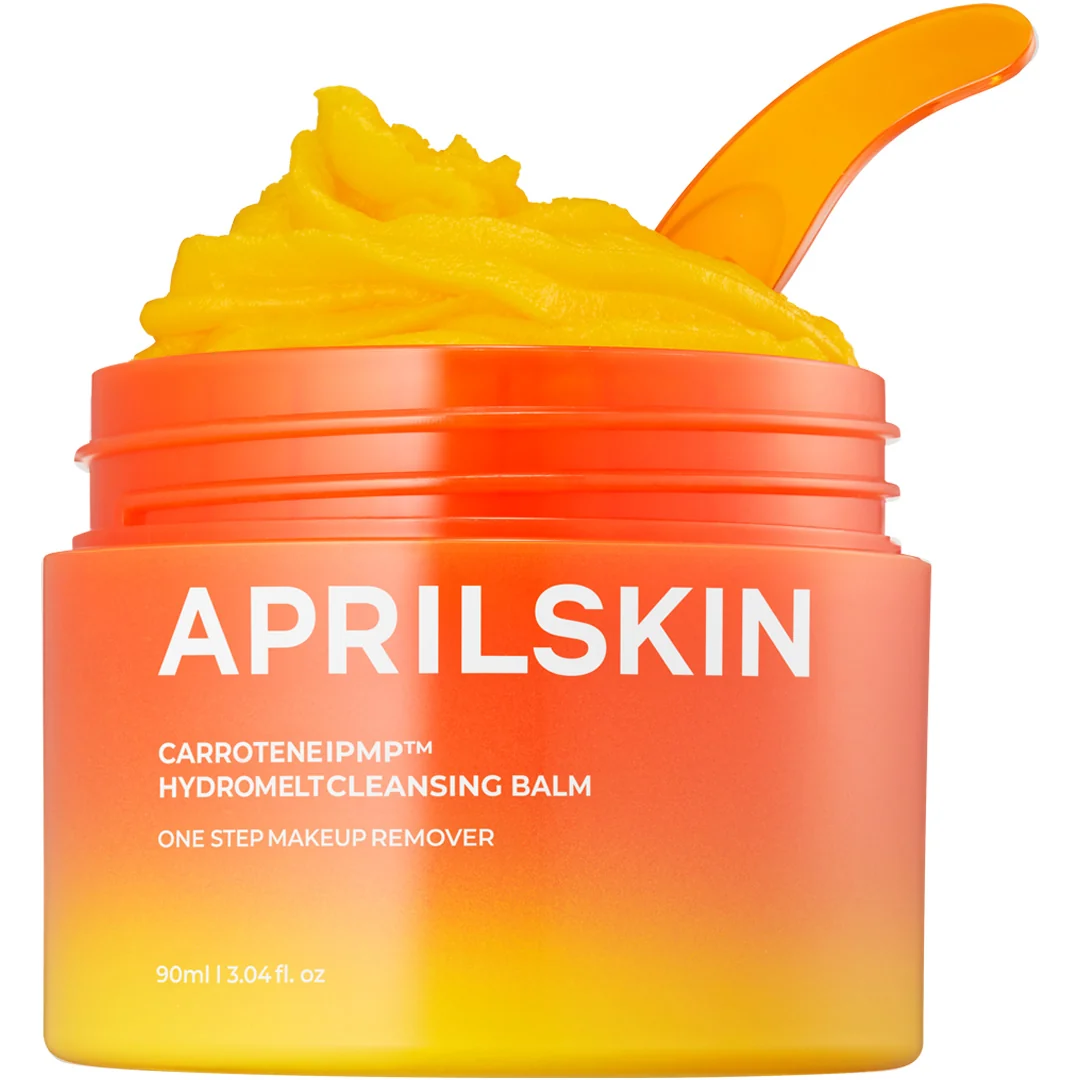
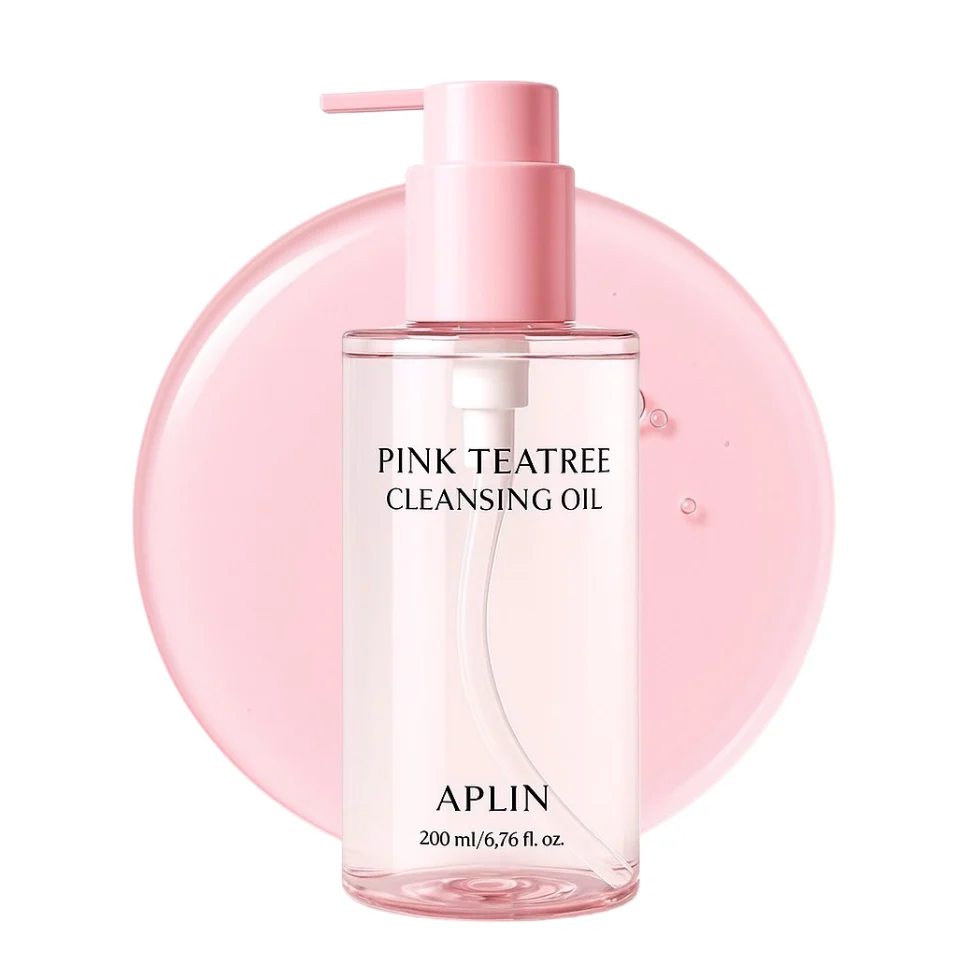
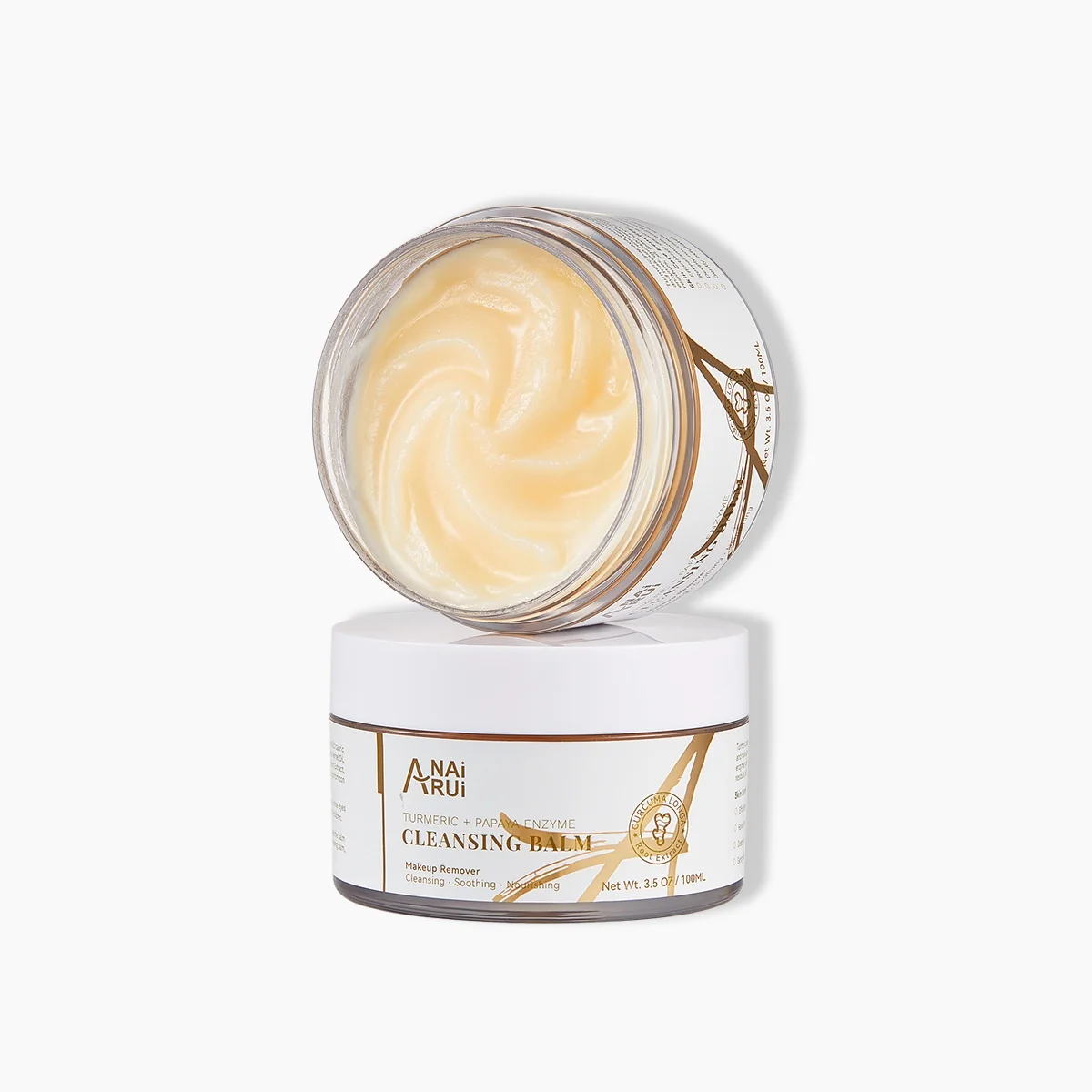
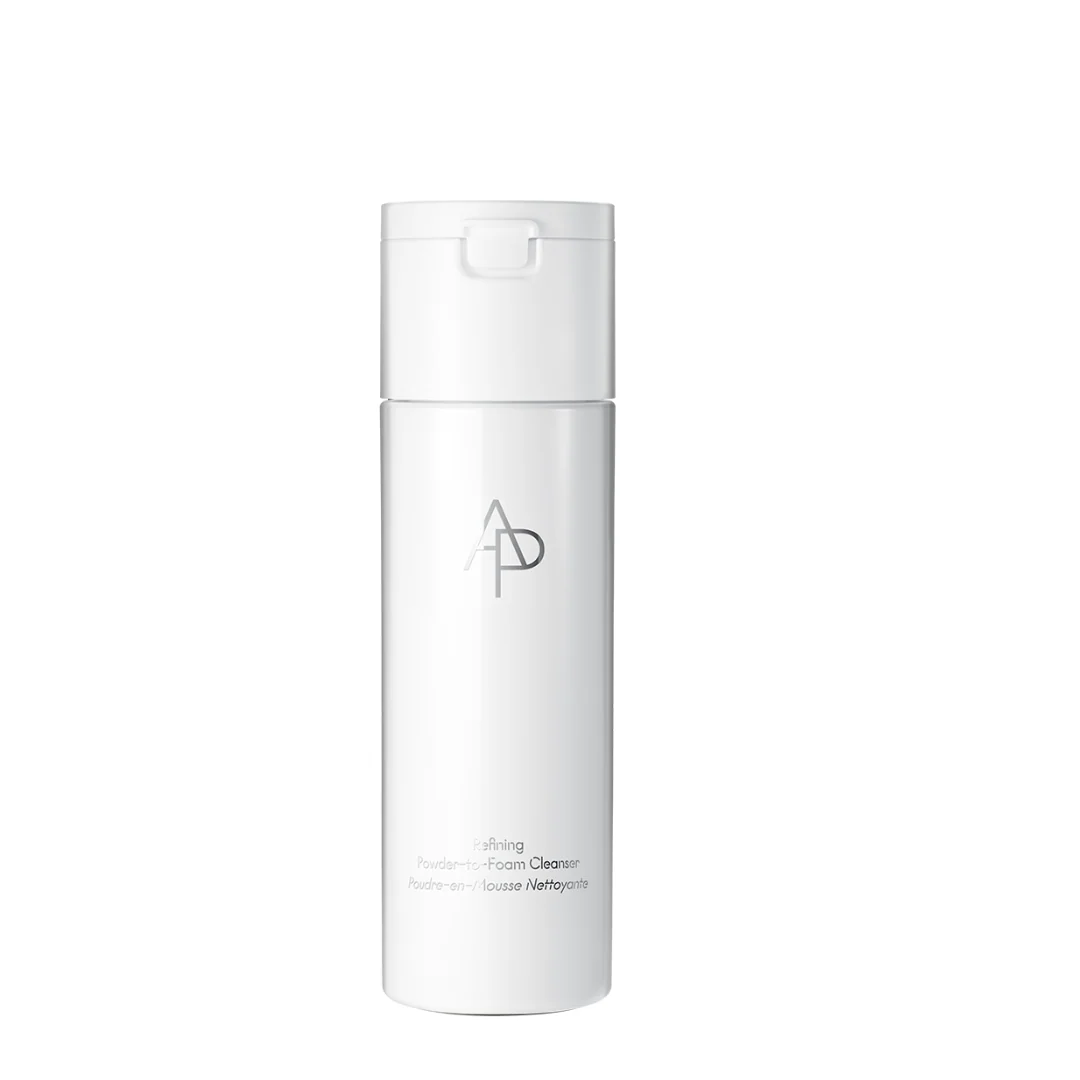
About Cleansing oil / balm
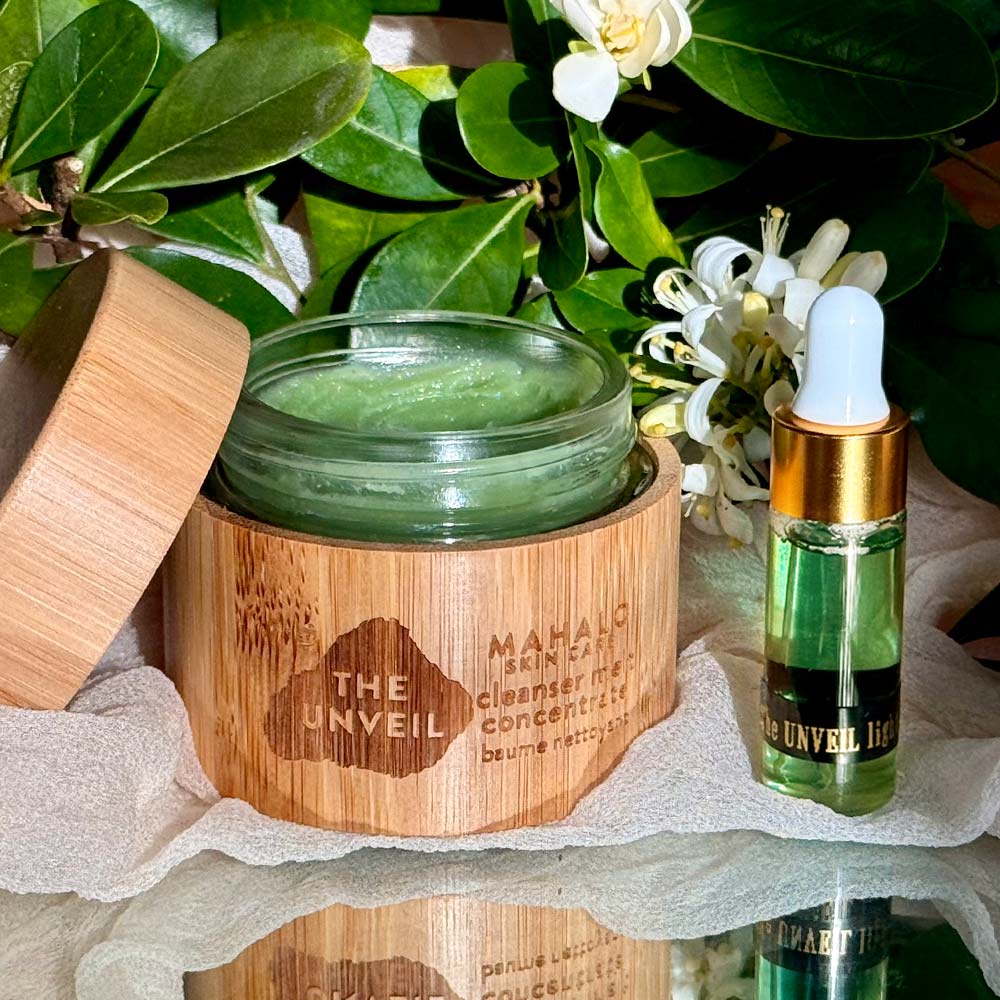
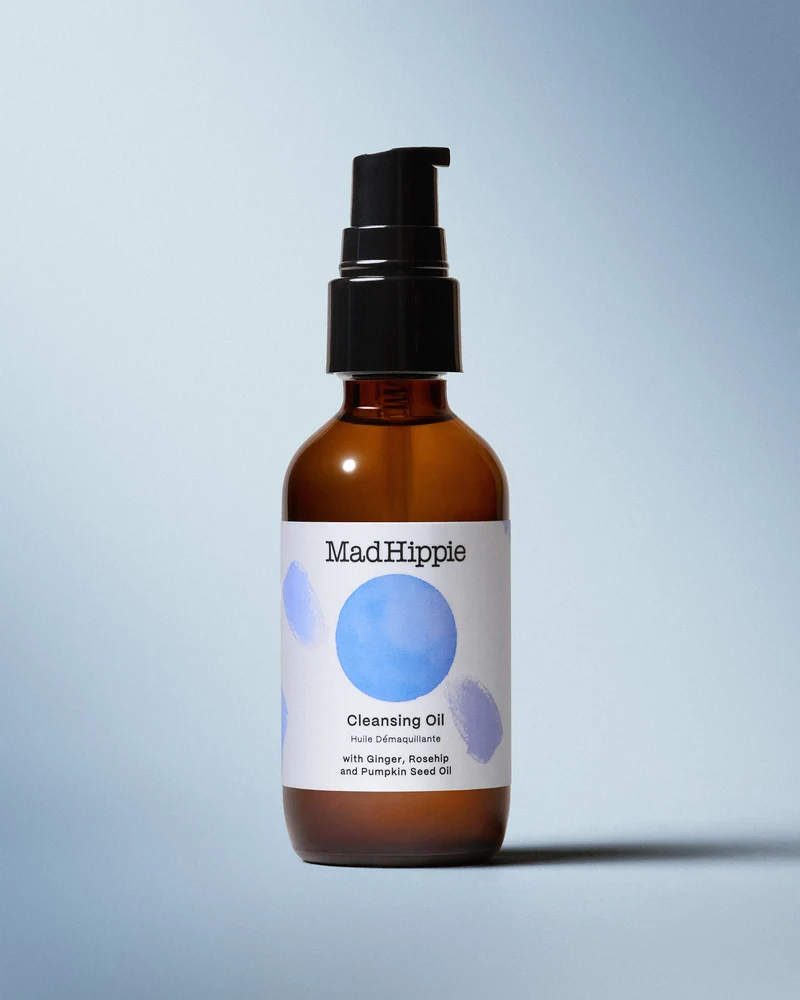
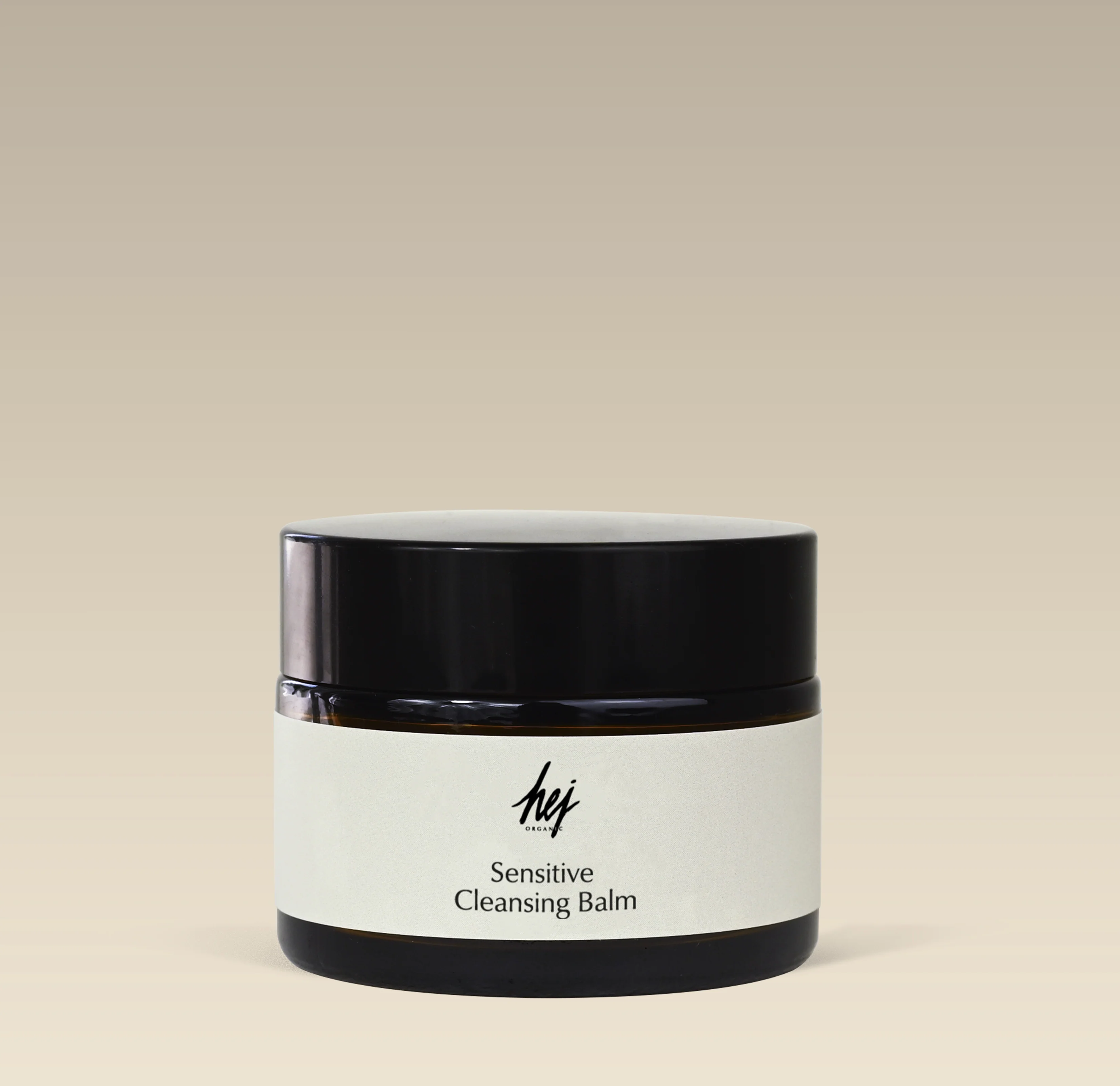
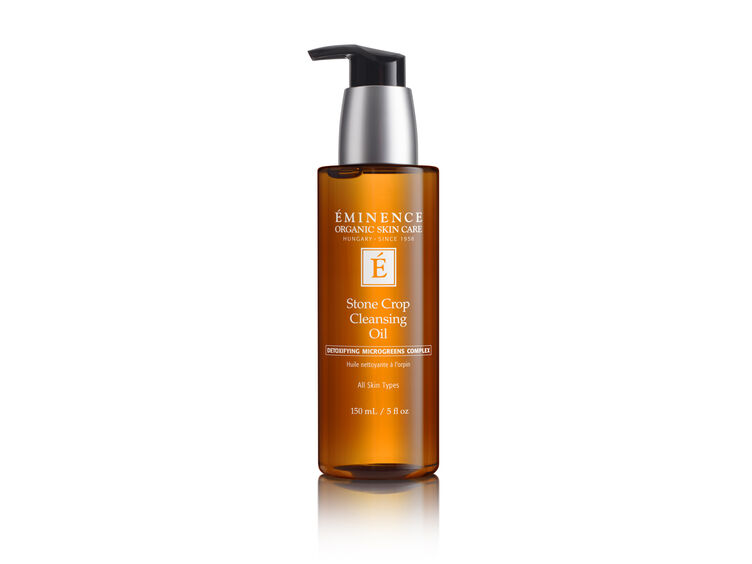
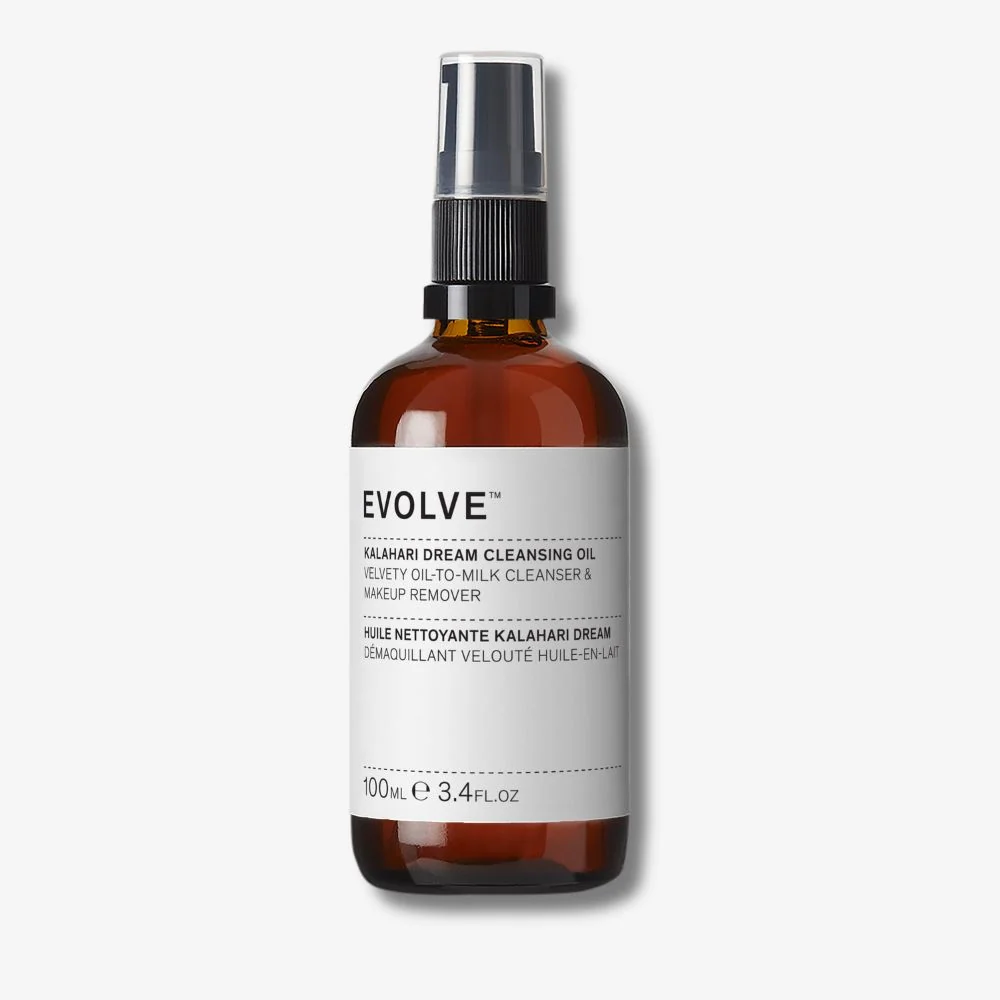
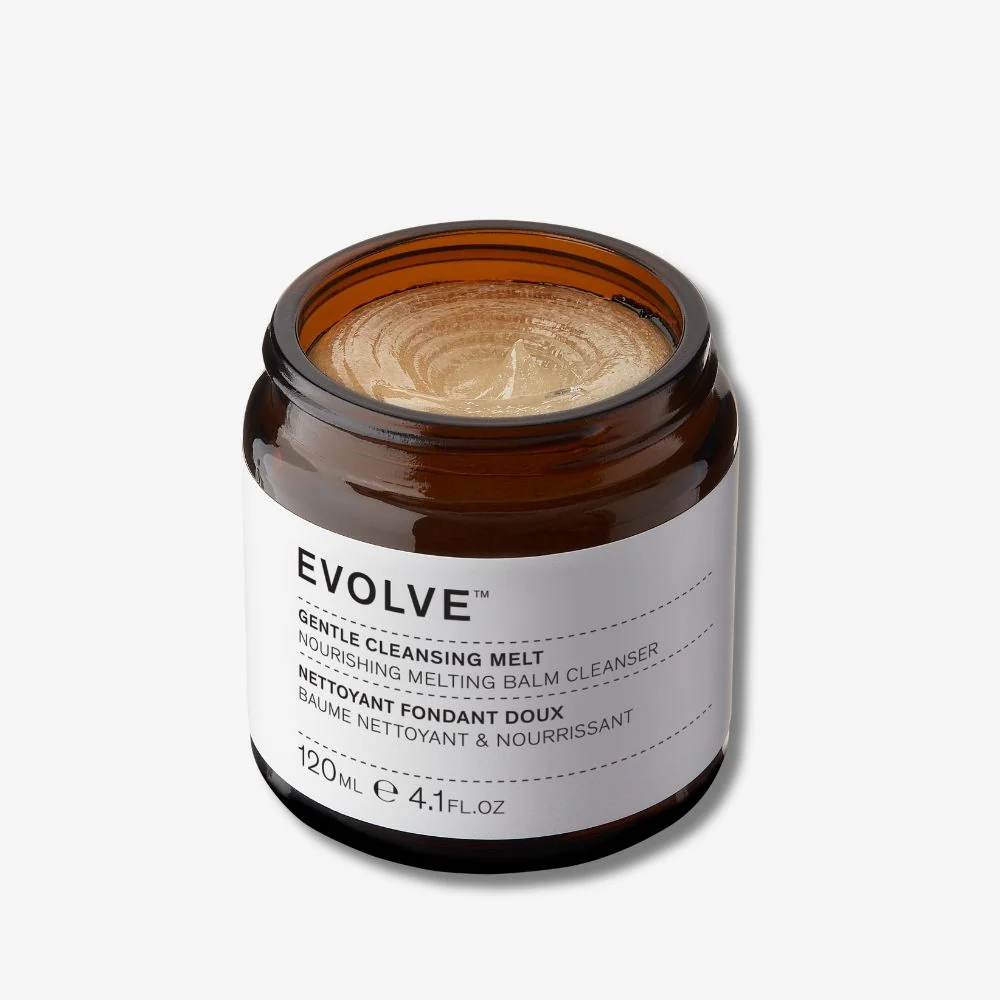
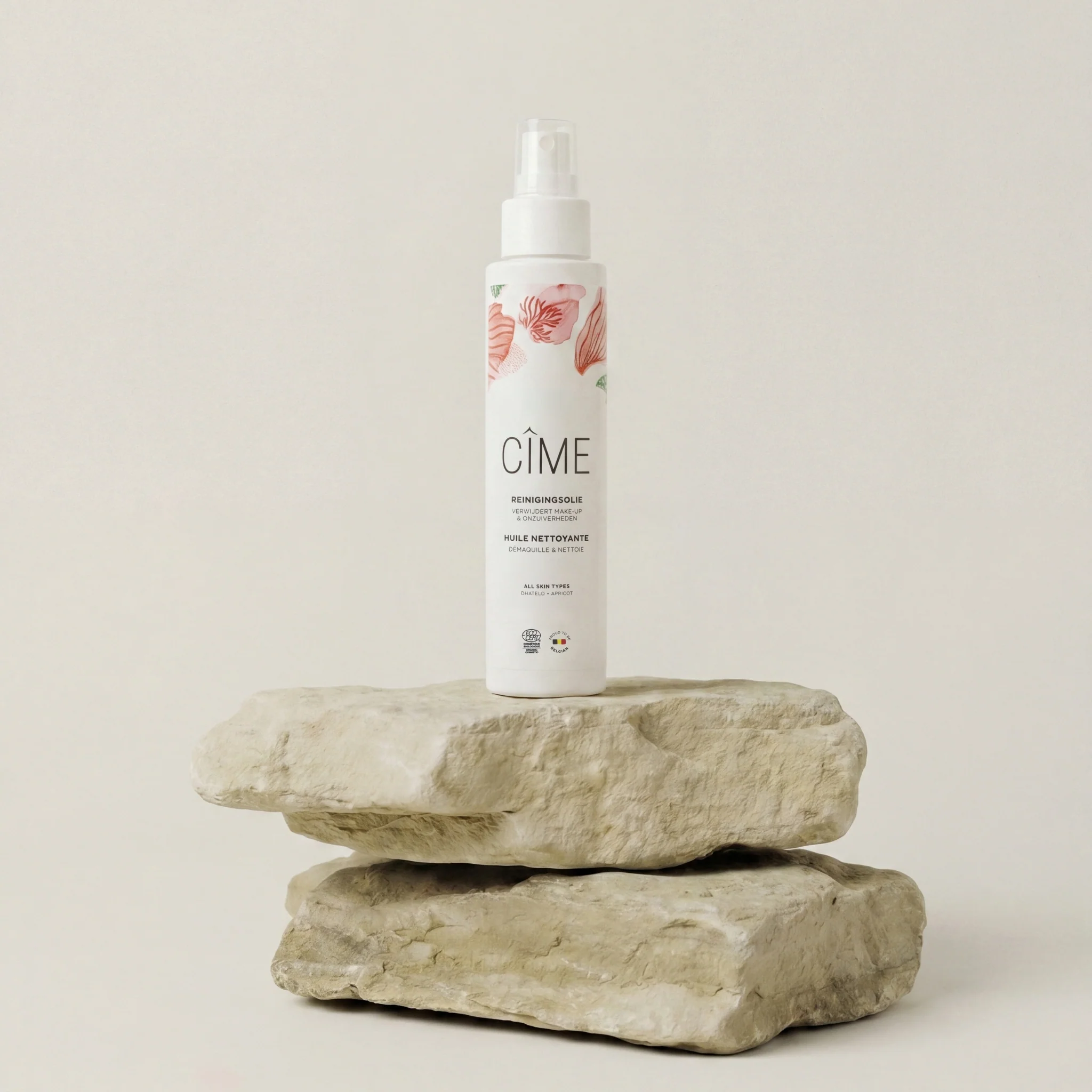
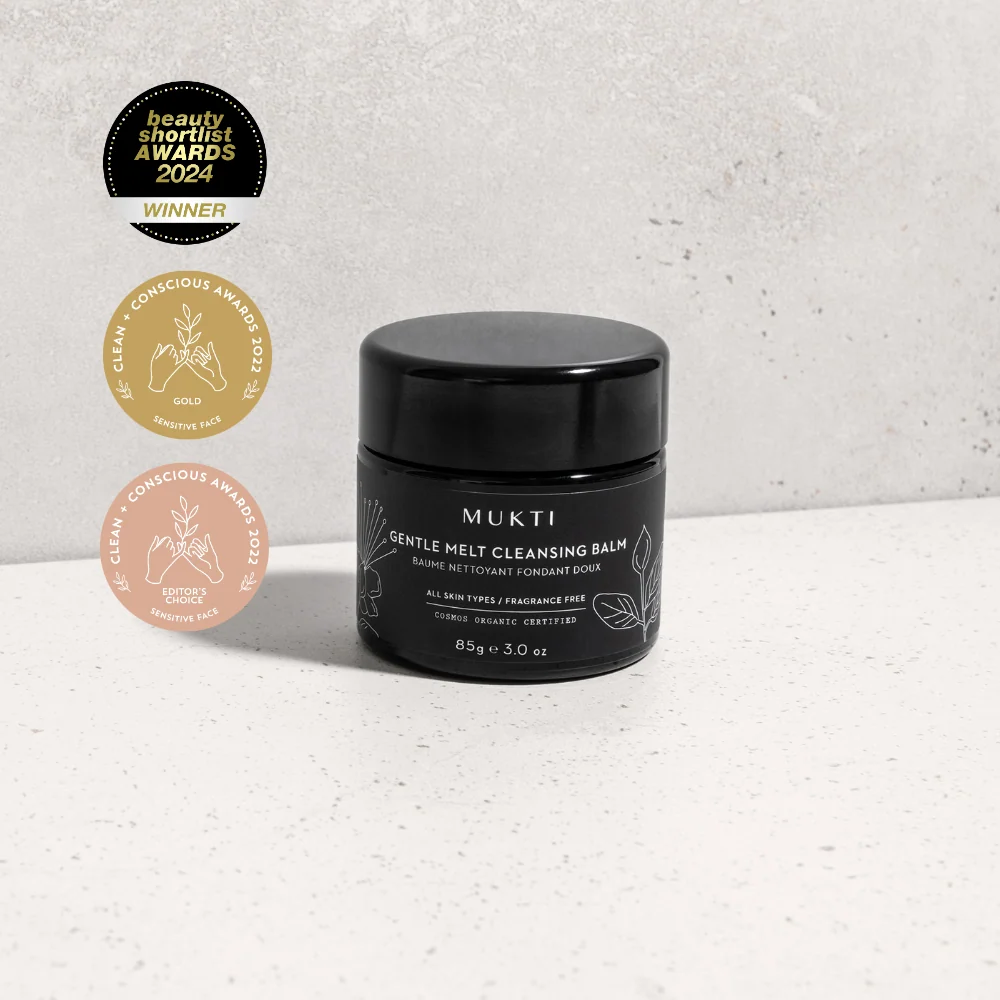
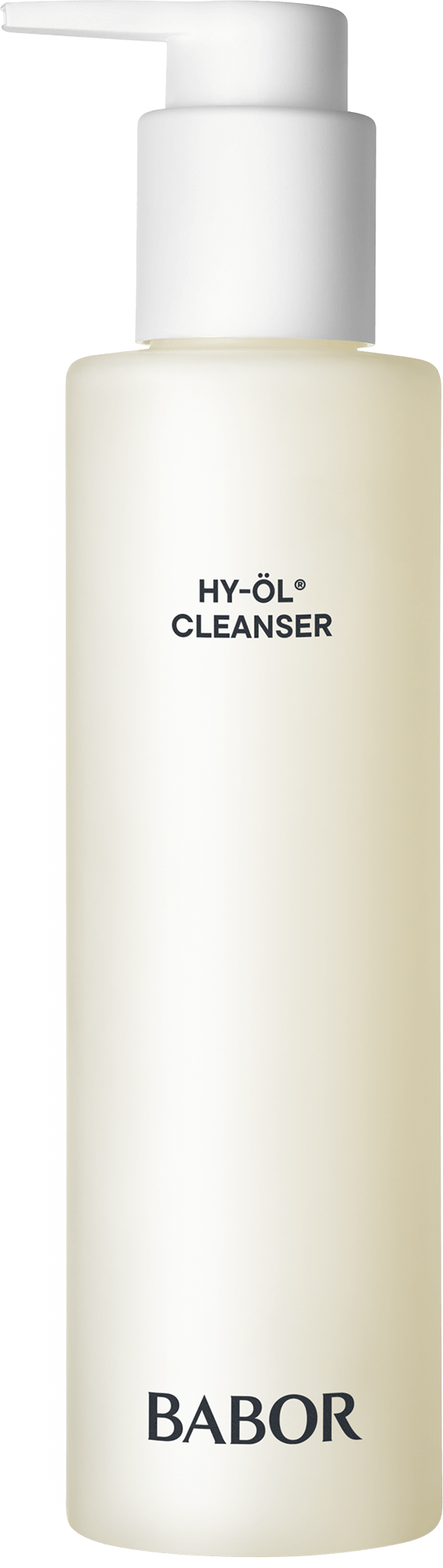
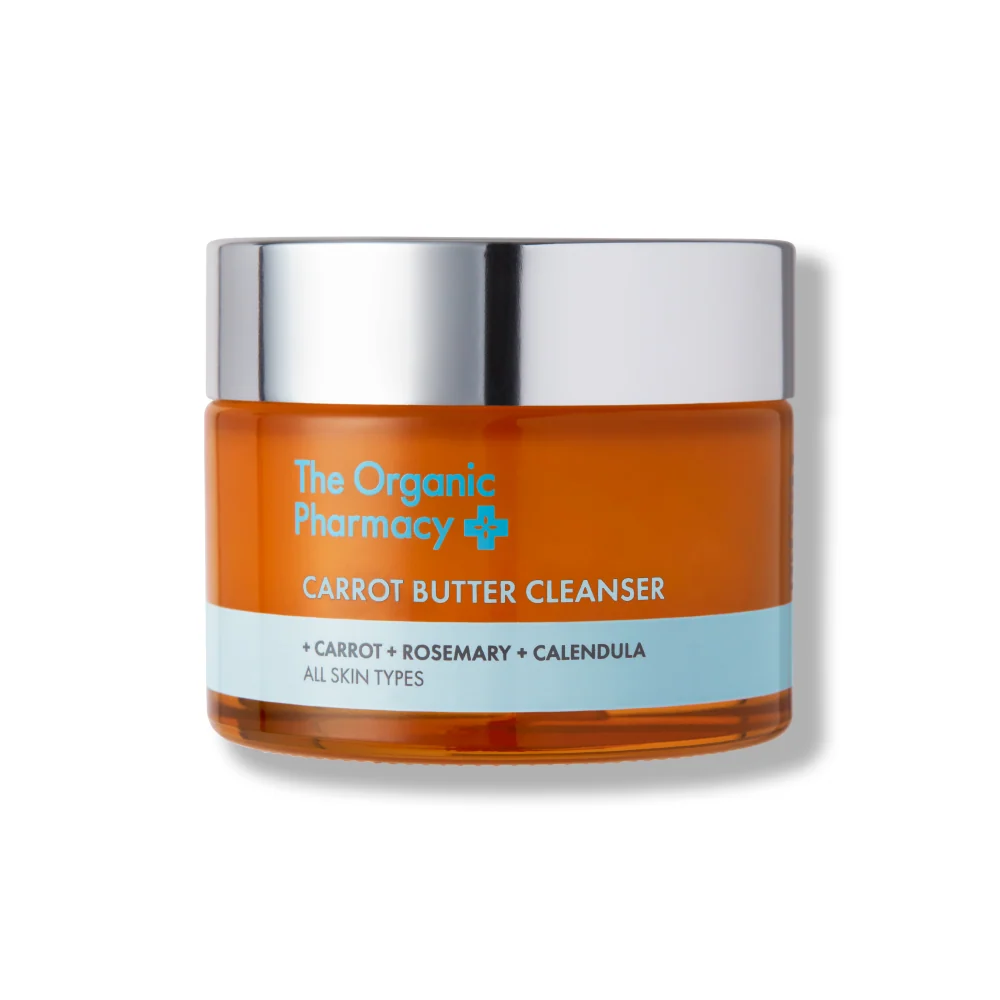
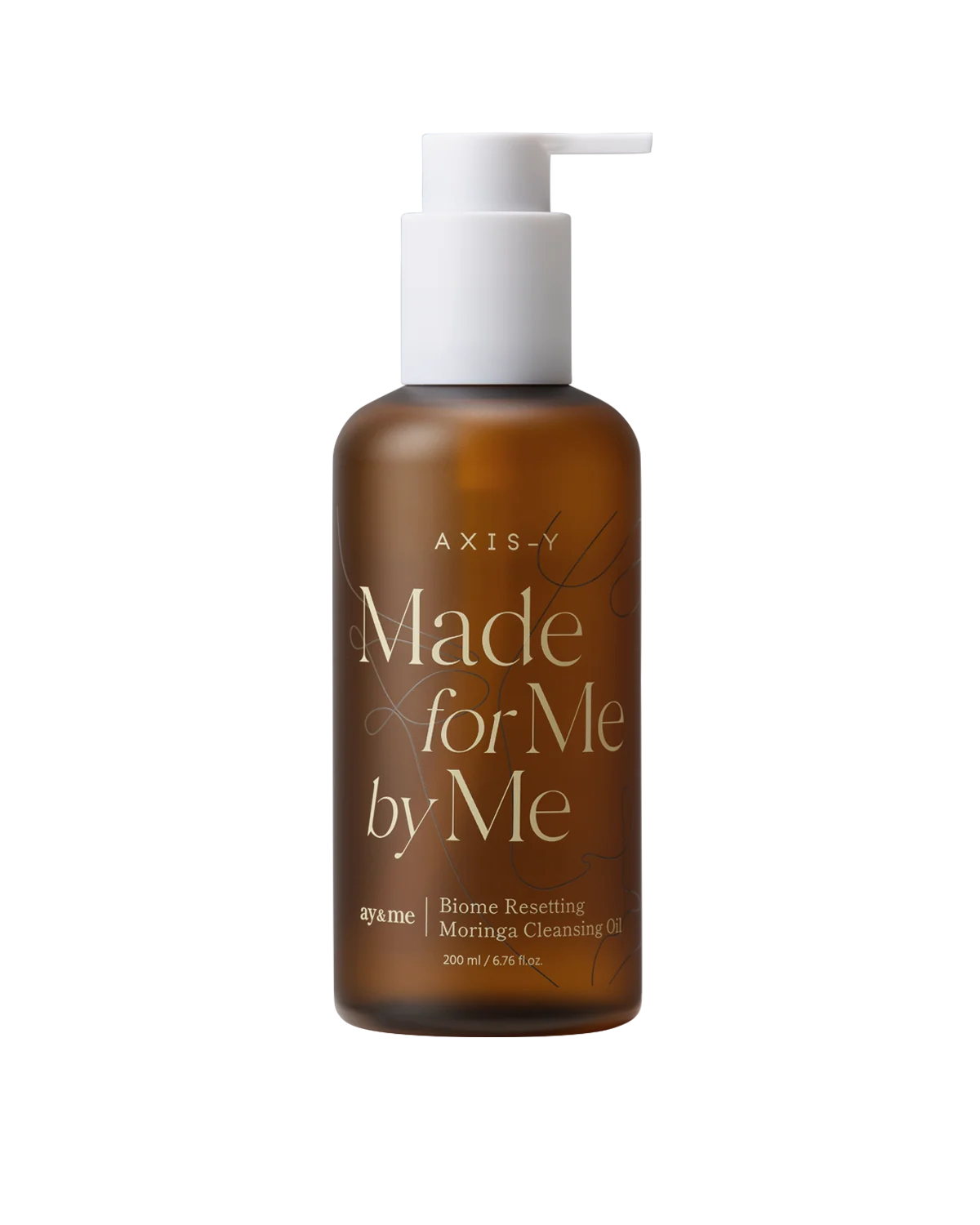
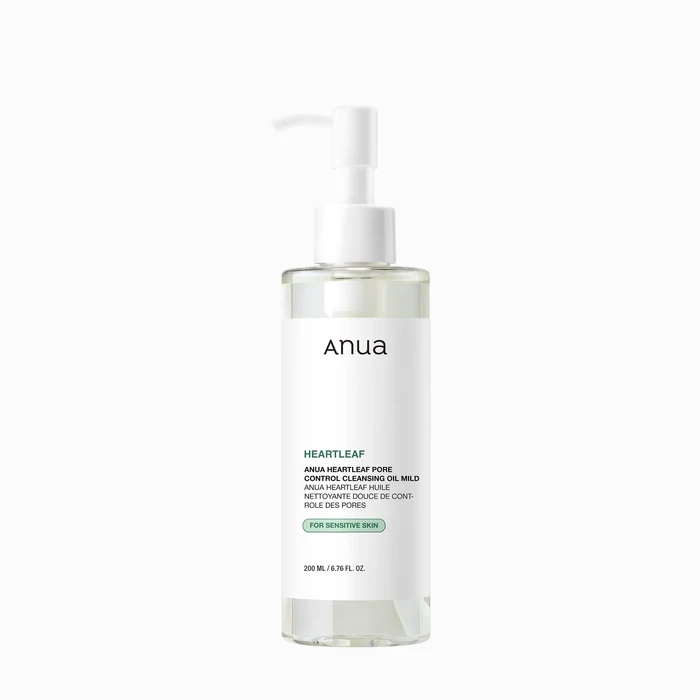
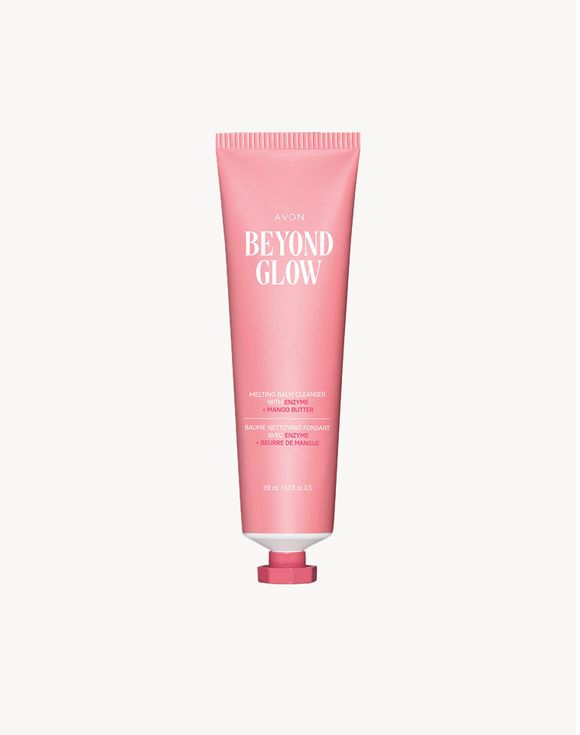
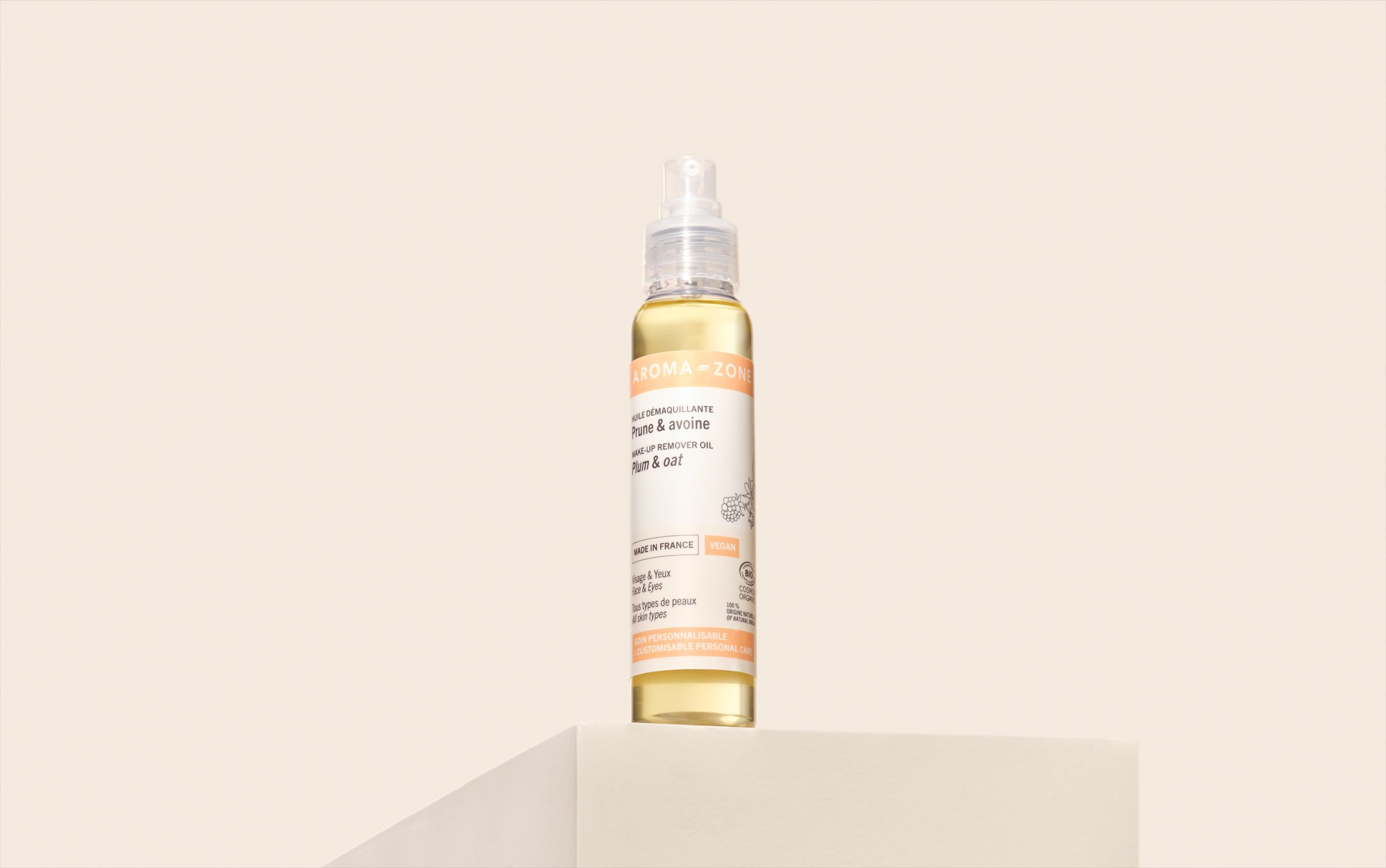
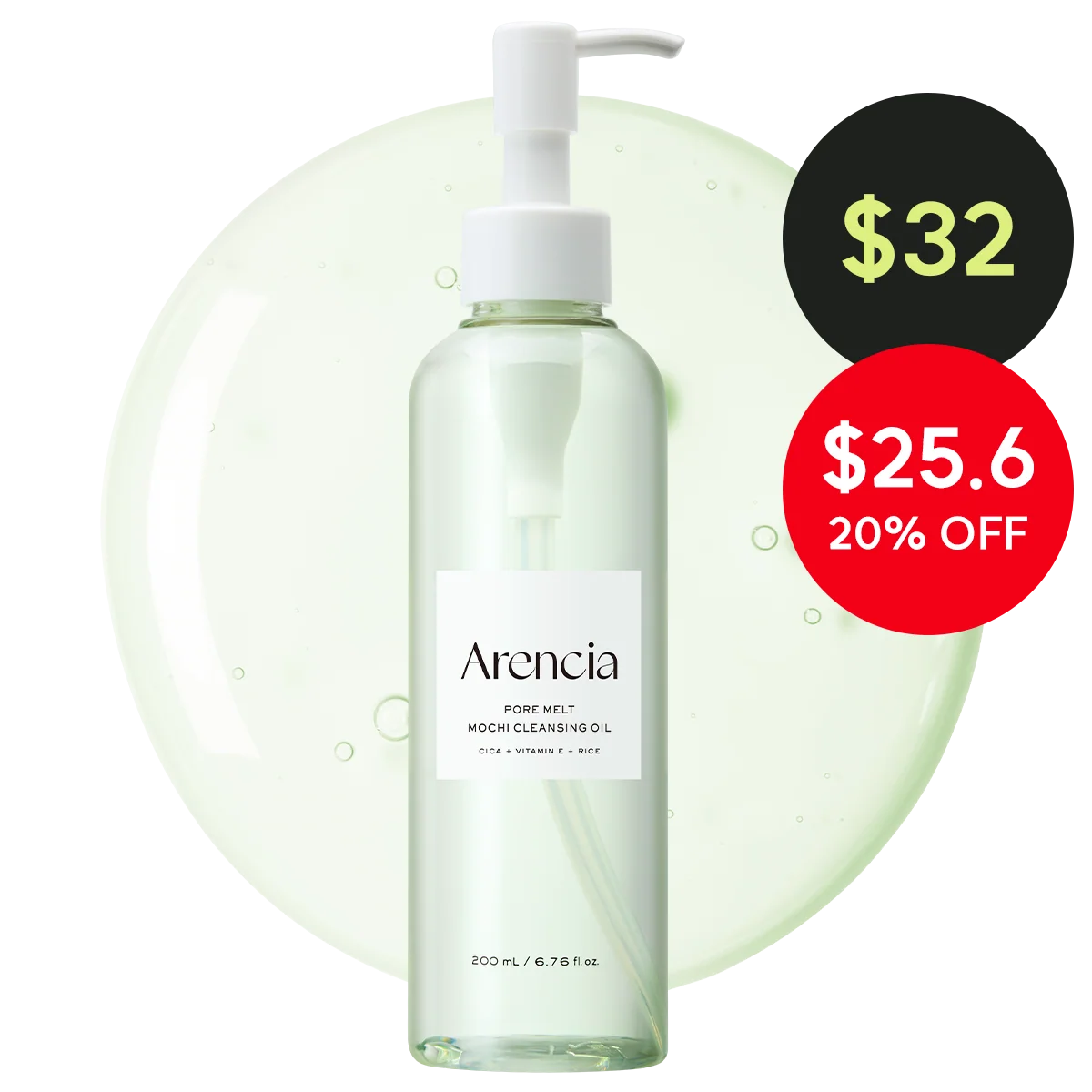
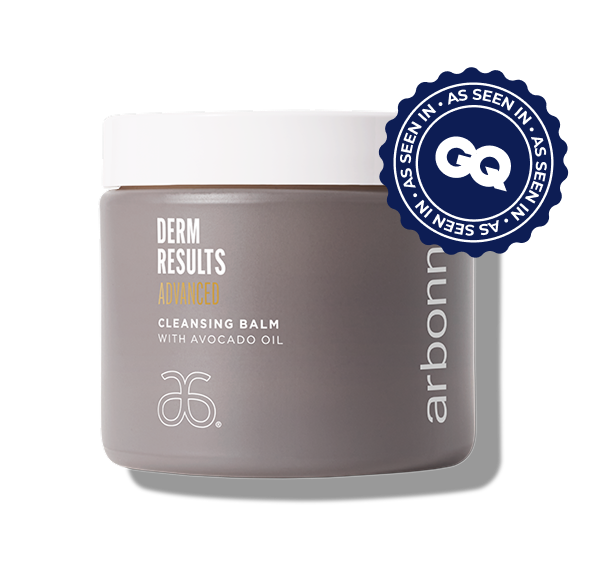
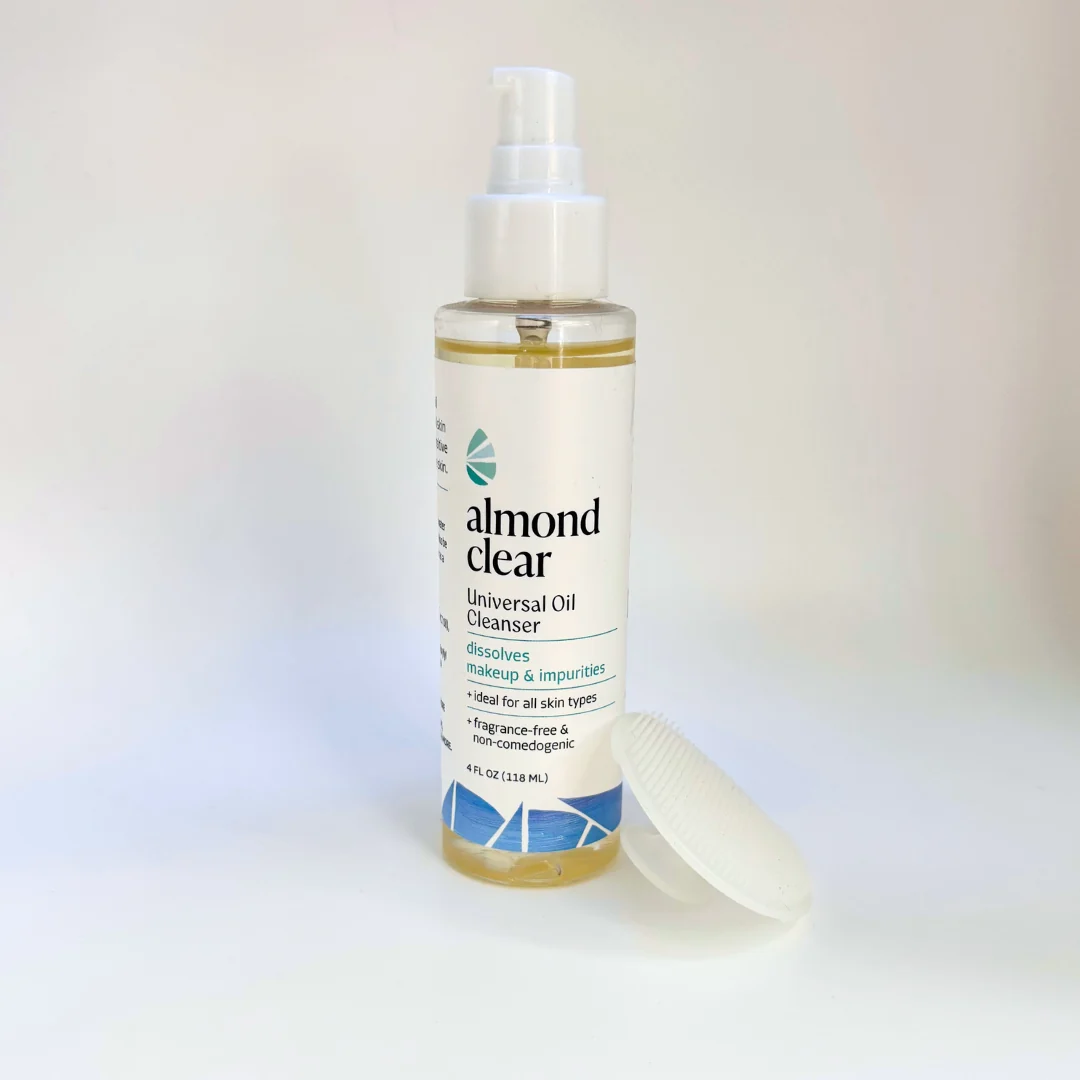
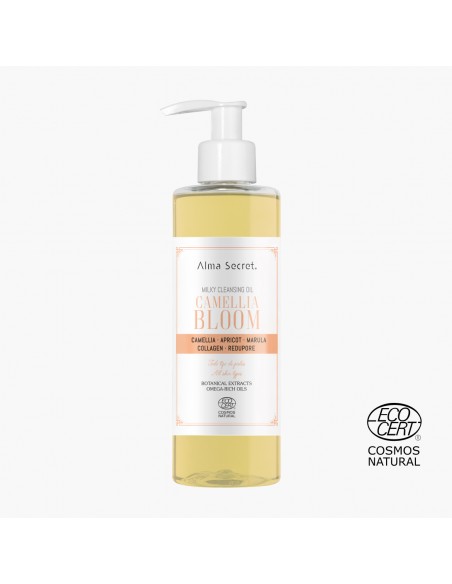
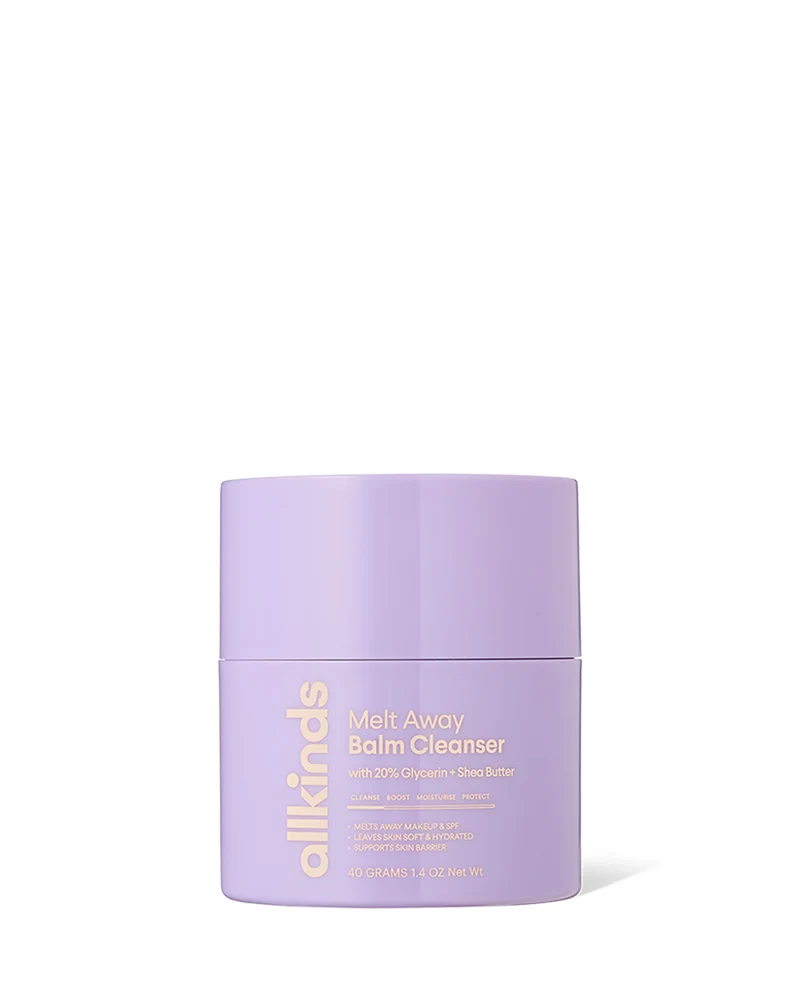
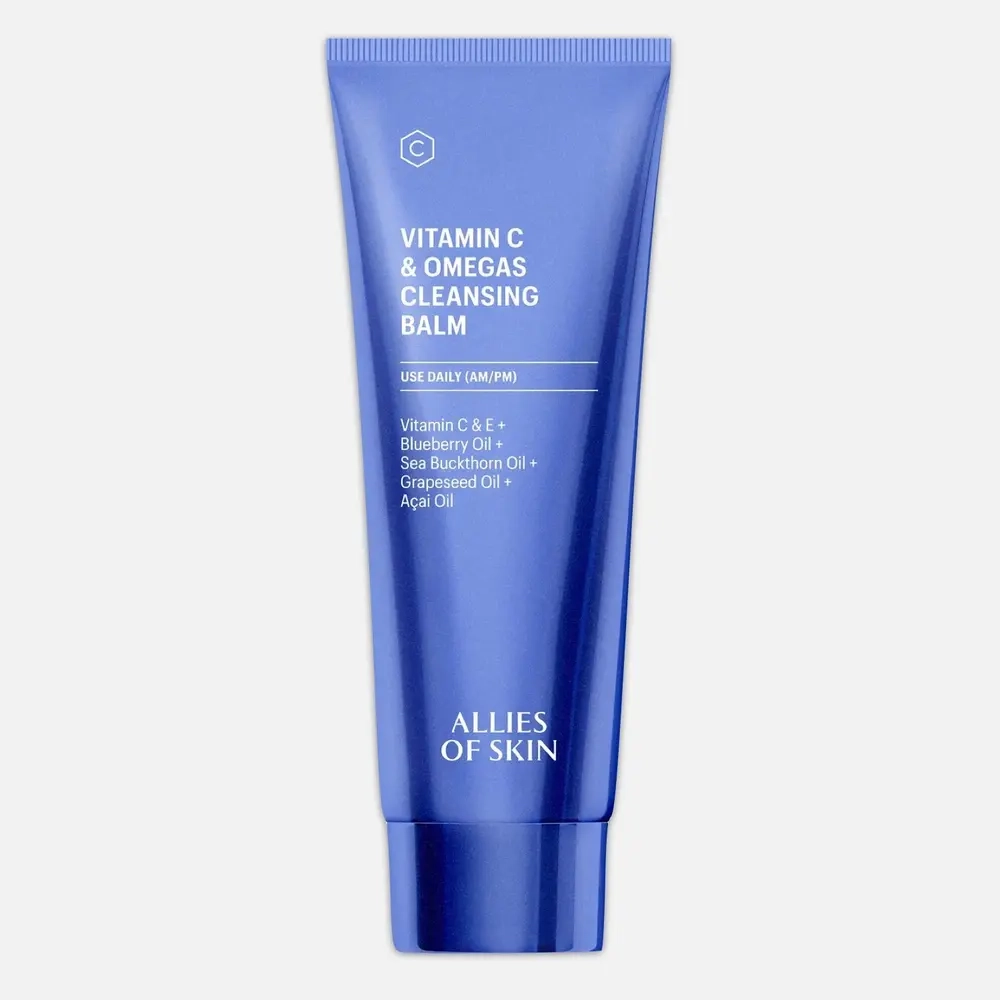
Cleansing oils and balms dissolve oil-soluble makeup, sunscreen, sebum and long-wear pigments before rinsing away with water. They work through oils and emulsifiers rather than relying mainly on foaming surfactants, which makes them particularly useful for waterproof or transfer-resistant products. Balms begin as solids or semi-solids and melt on contact with the skin, while cleansing oils start fluid. A good formula emulsifies cleanly with water rather than leaving a heavy film. Some people follow with a water-based cleanser, but double cleansing is a choice rather than a requirement for every skin type. Skin tolerance can also change with season, climate and the use of other active products, so a formula that feels balanced in one routine may need adjusting in another. Ingredient percentages can be useful when a brand discloses them, but they are not a complete measure of performance. Vehicle, pH, stability, supporting ingredients and how often the product is used can matter just as much. A well-balanced formula at a moderate concentration may be easier to use consistently than a stronger product that repeatedly causes irritation. Texture is also part of function. A watery serum can deliver humectants with almost no occlusion, while a cream can combine water-binding ingredients with lipids and film-formers that slow moisture loss. Two products aimed at the same concern may therefore fit very different routines depending on what is layered before and after them.