
Cleanser
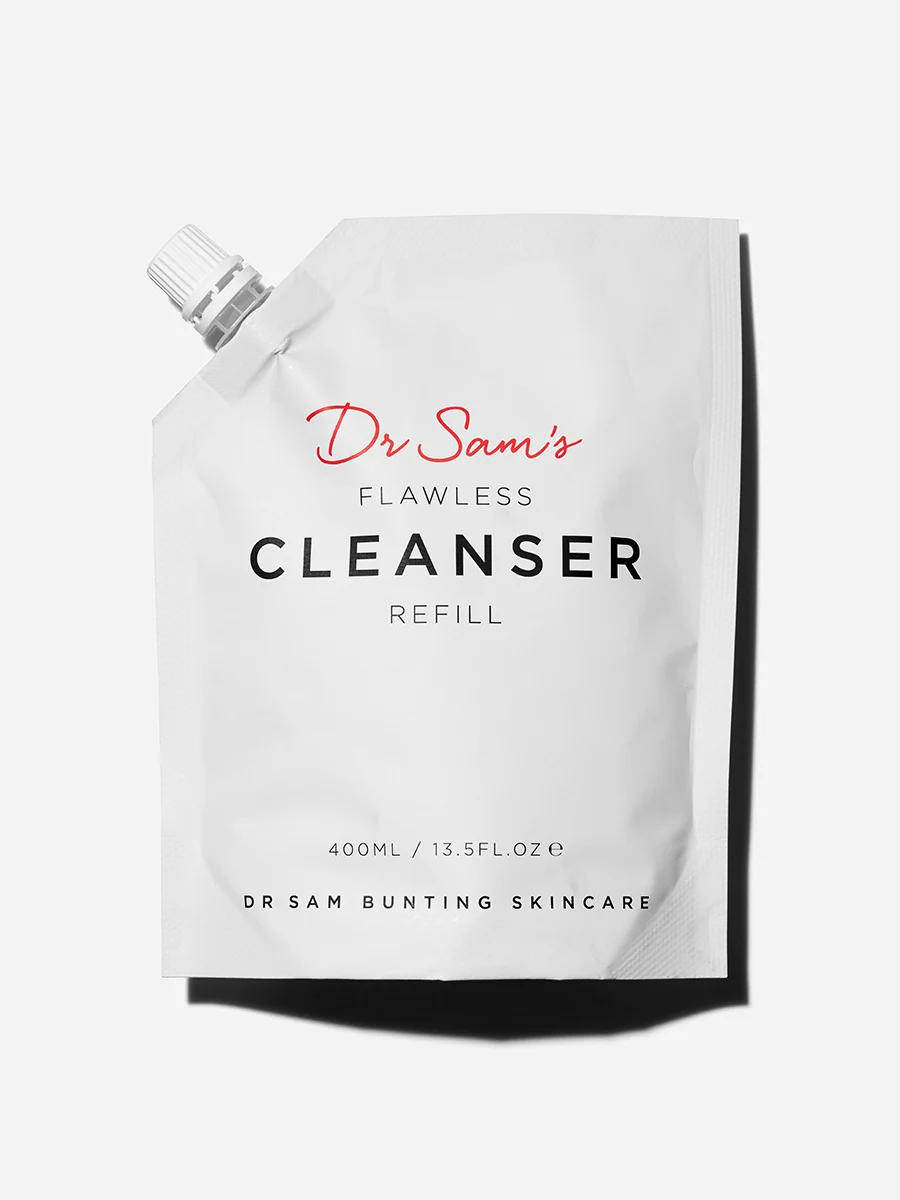
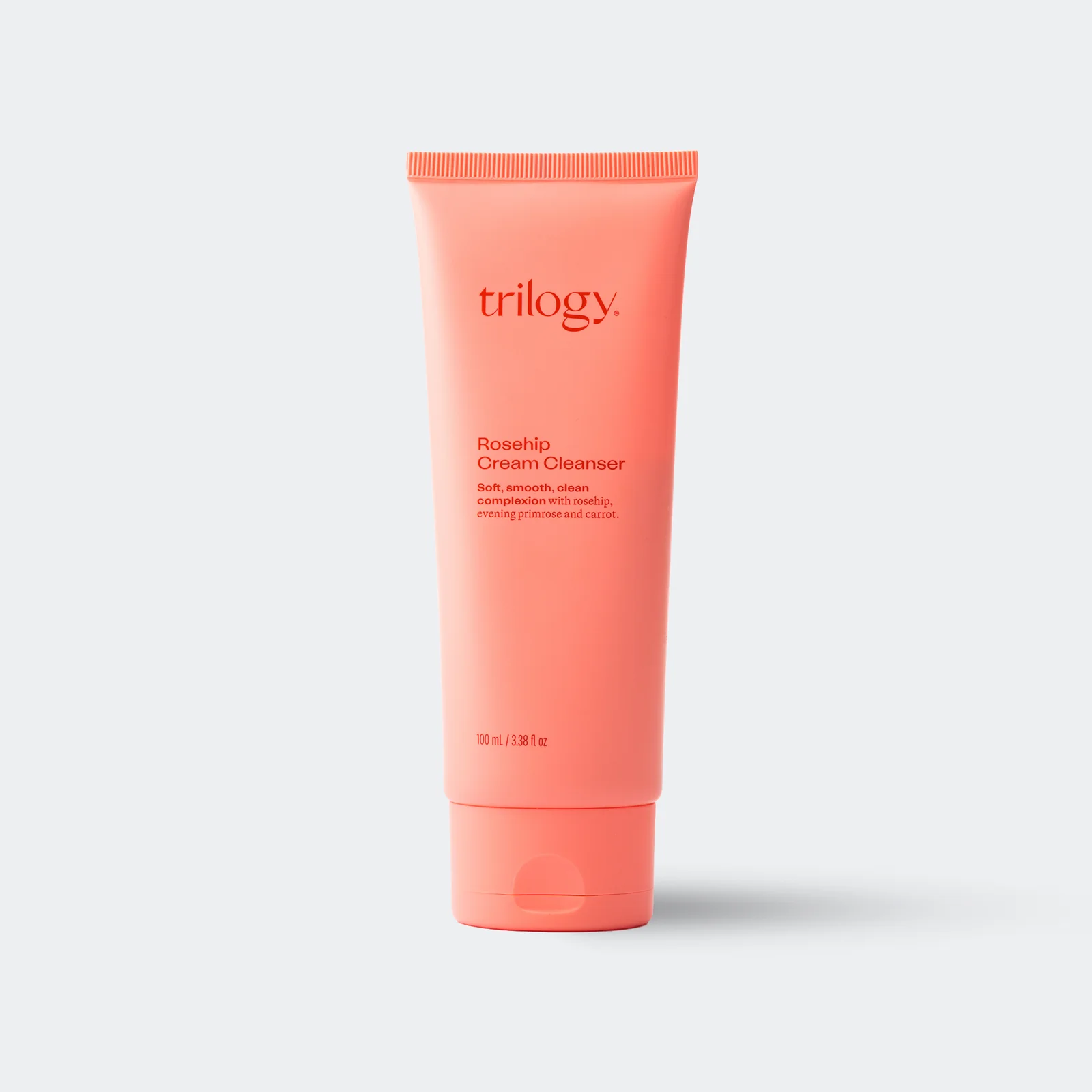
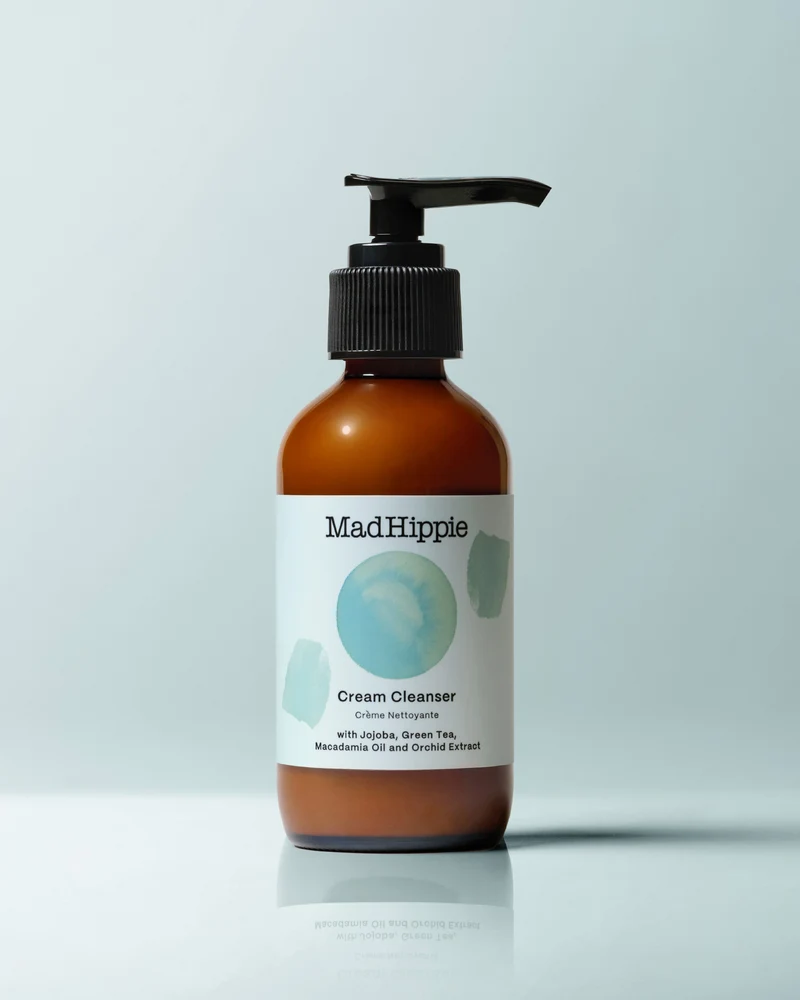
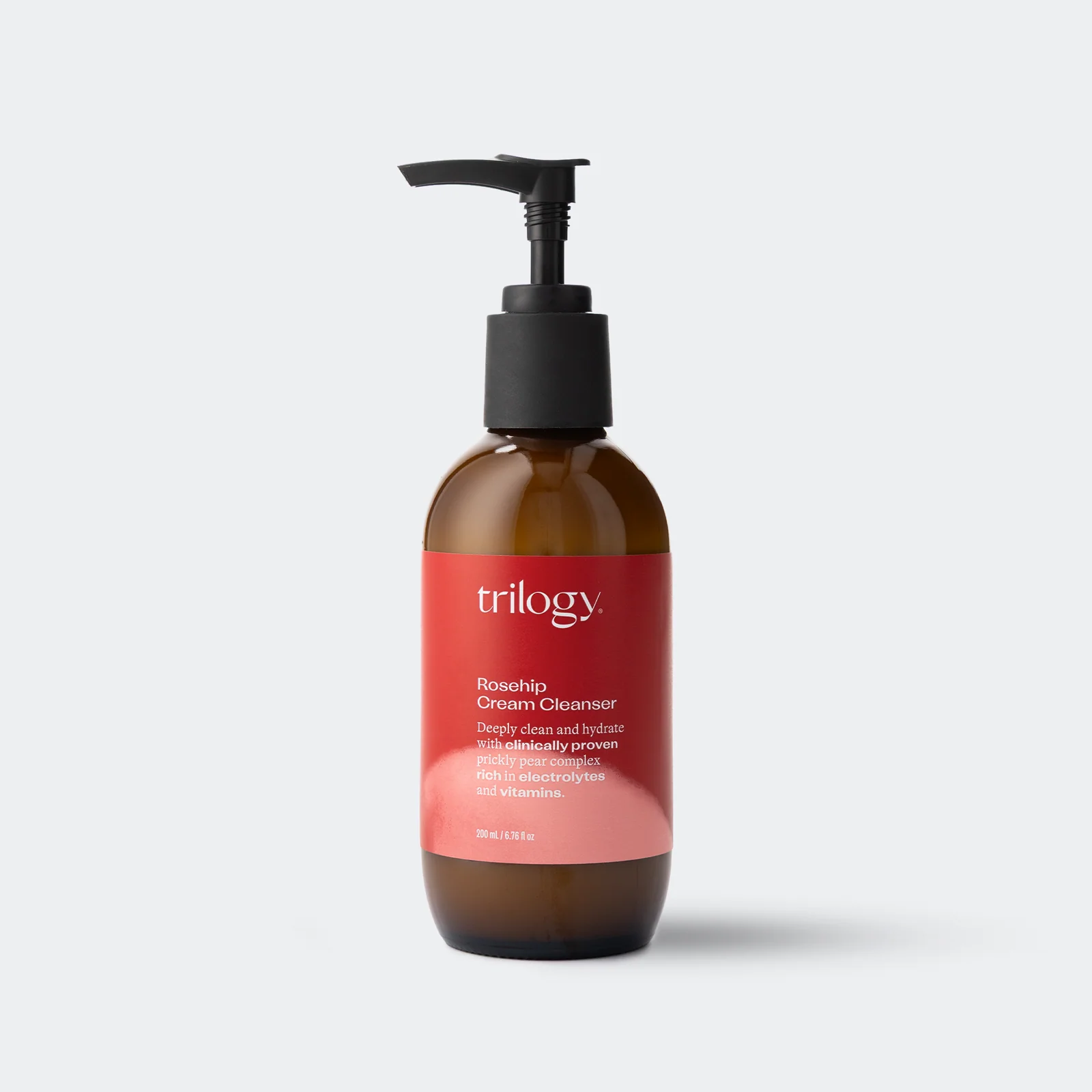
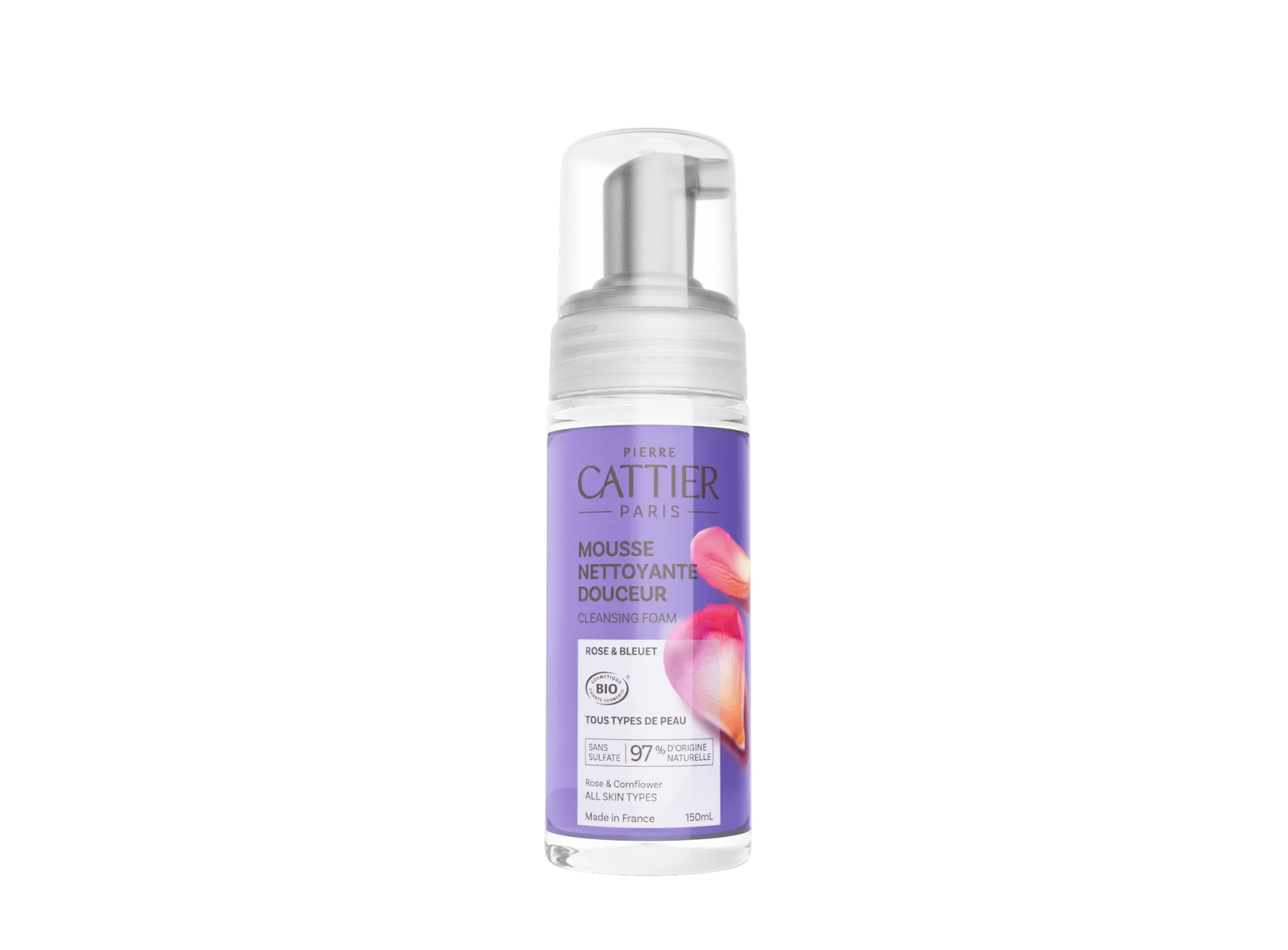
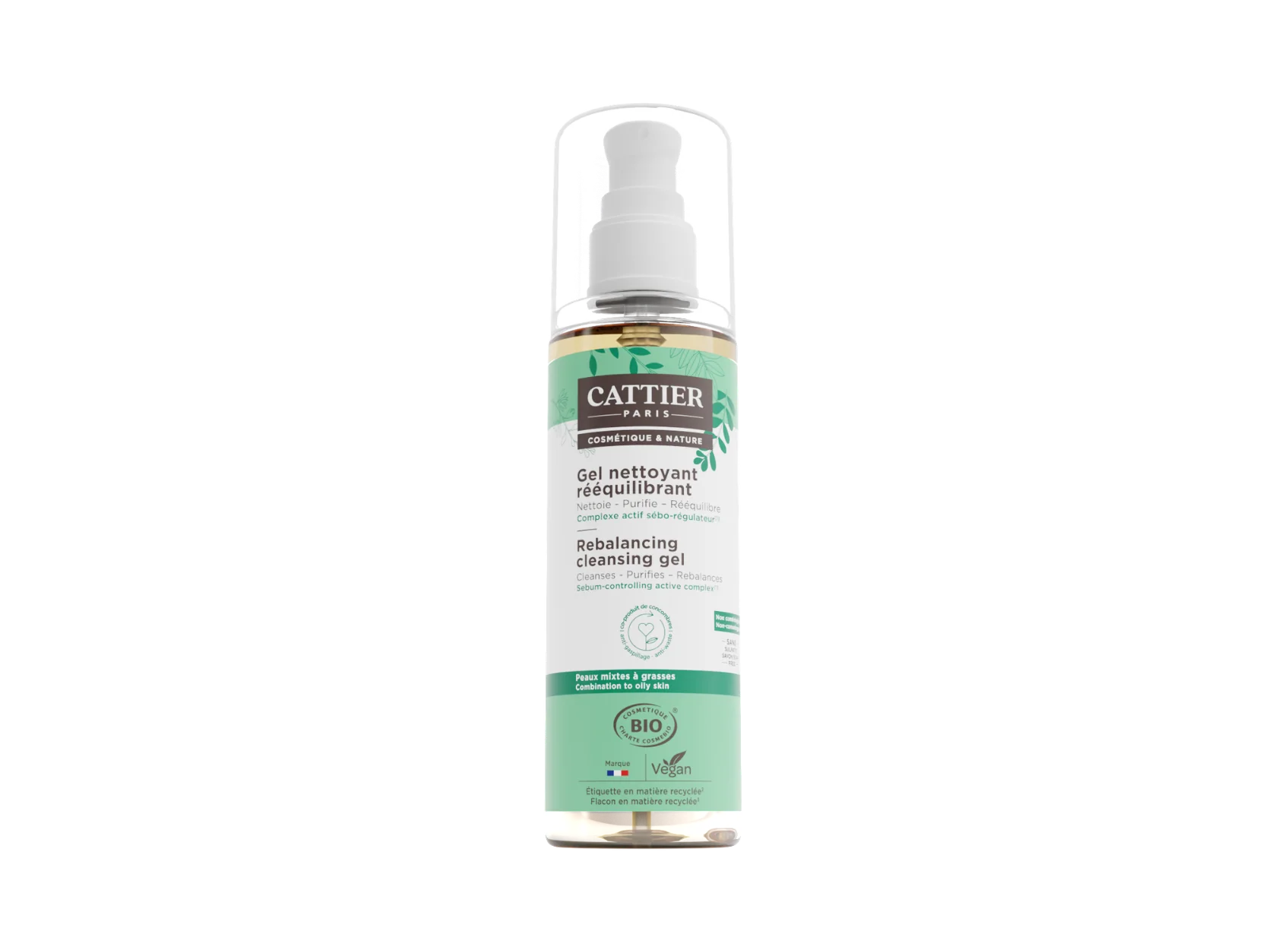
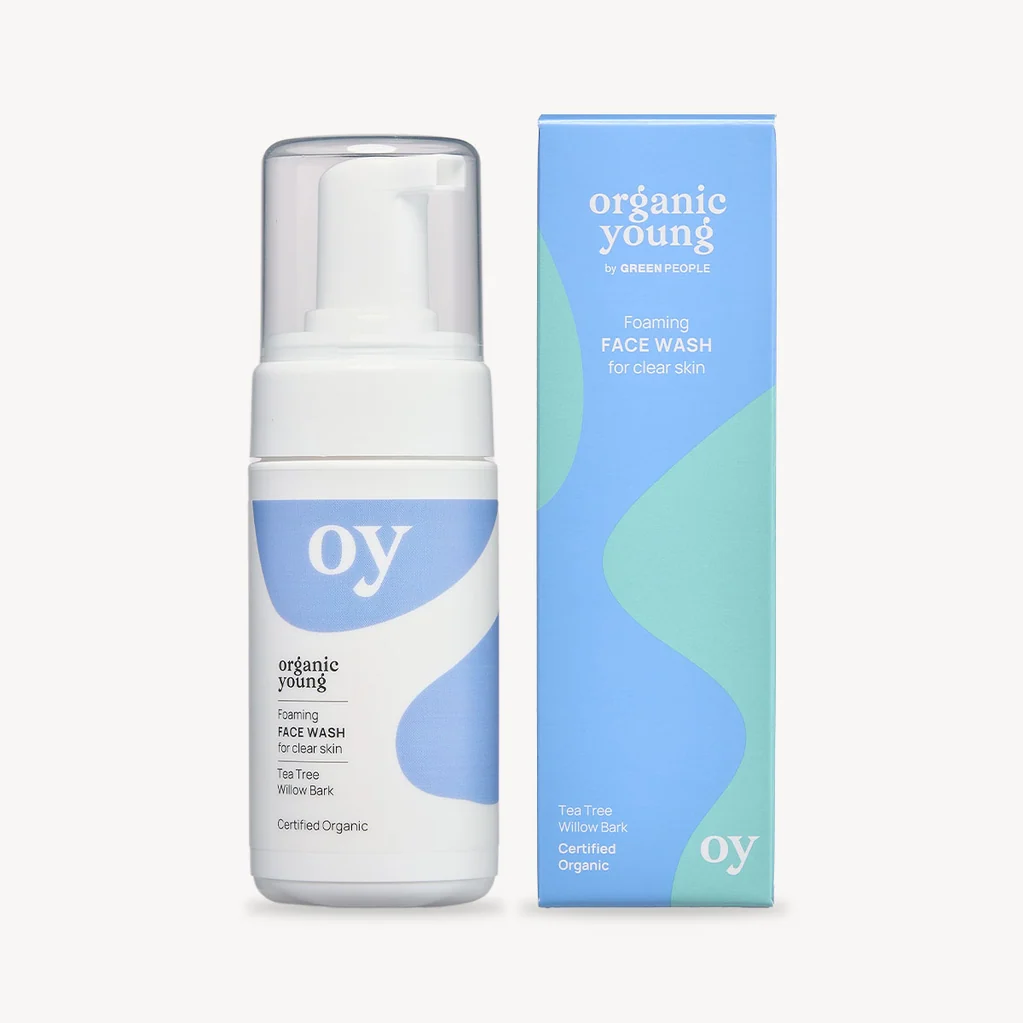
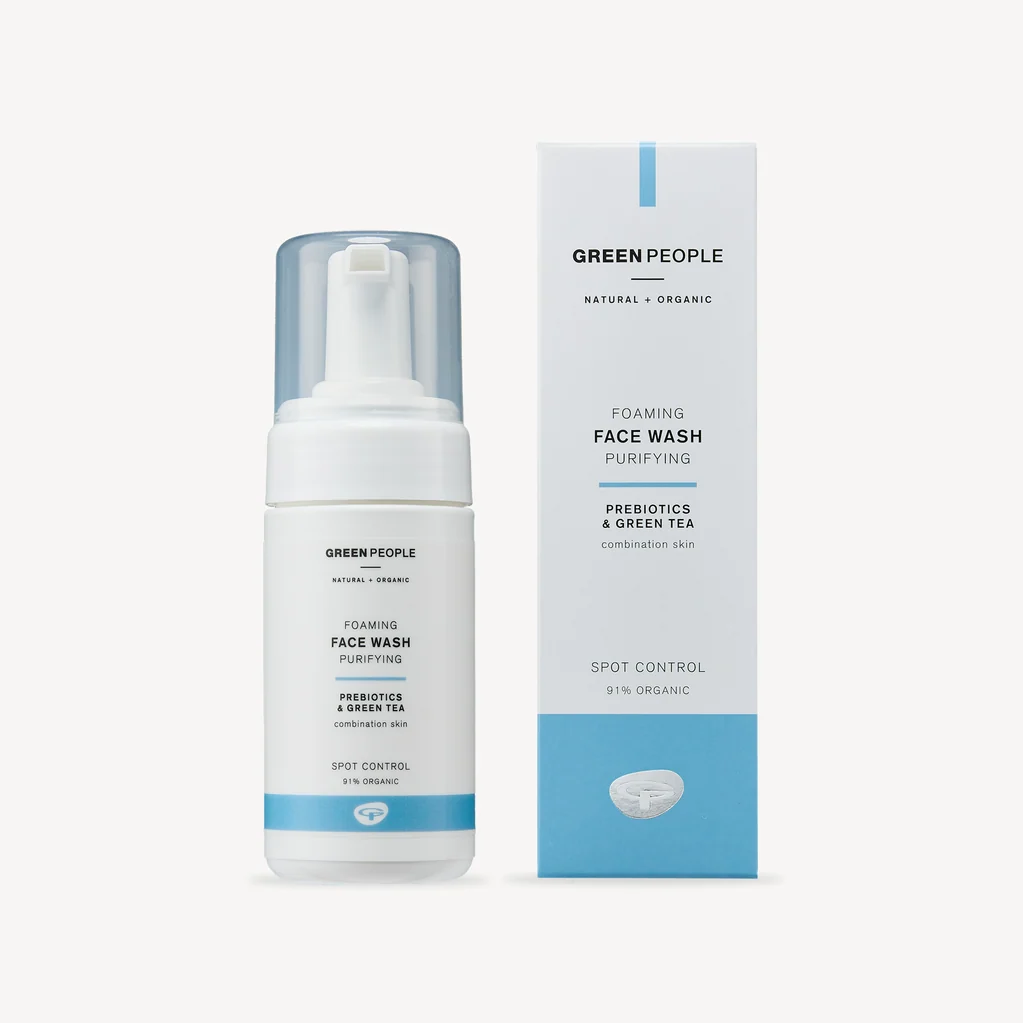
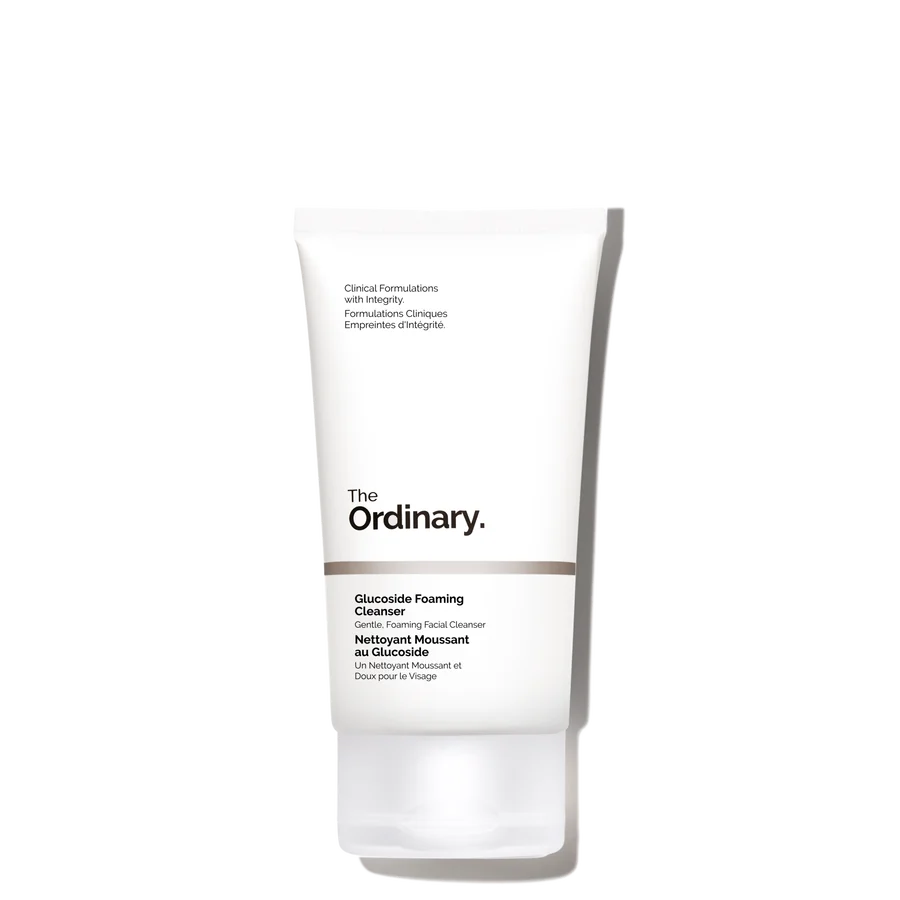
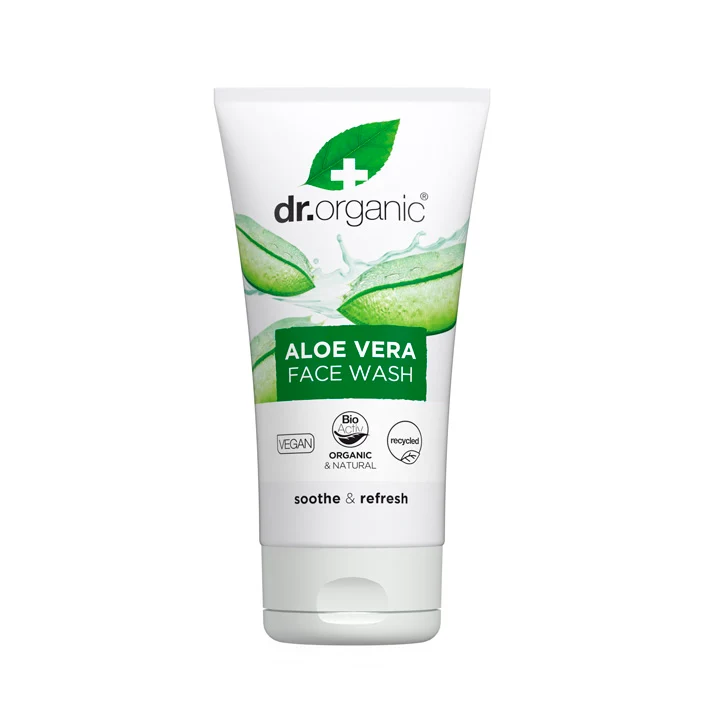

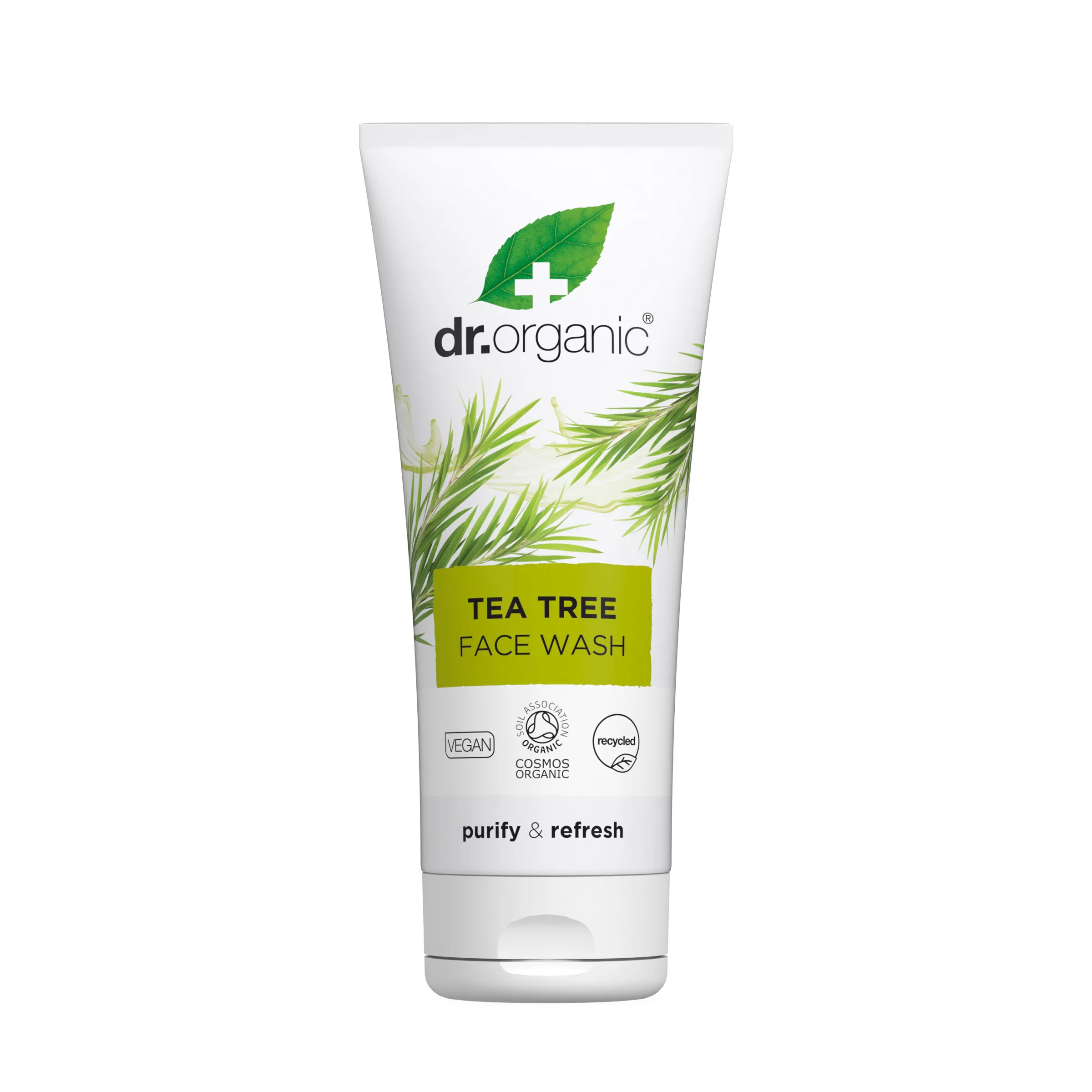
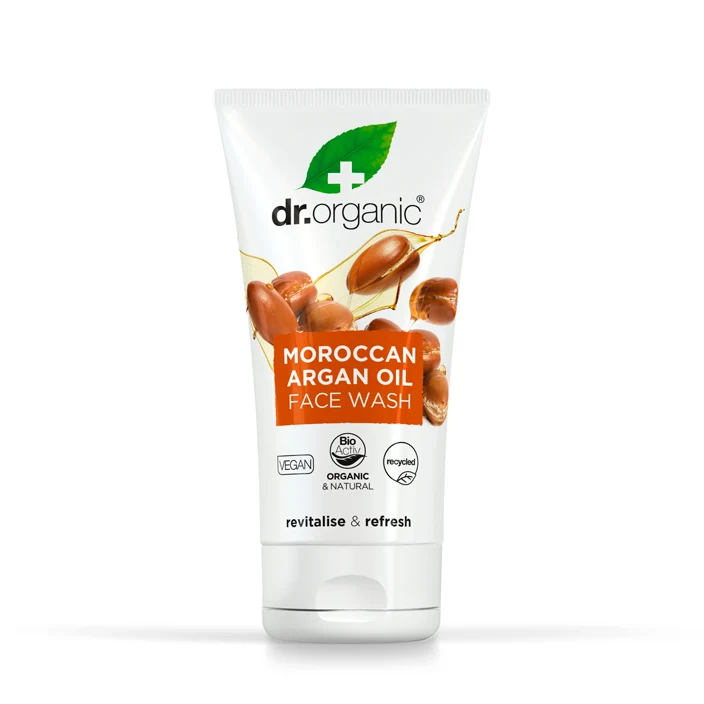
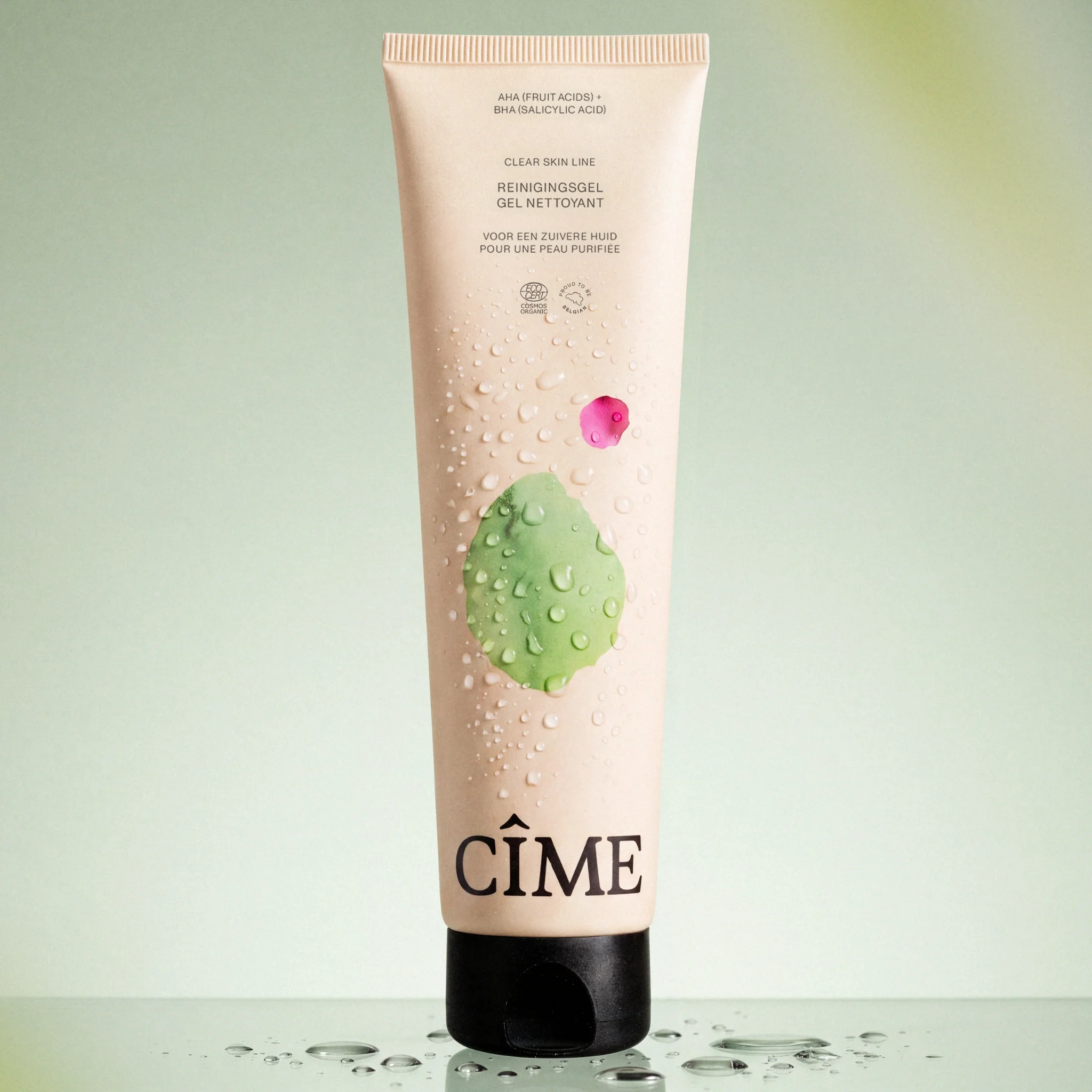
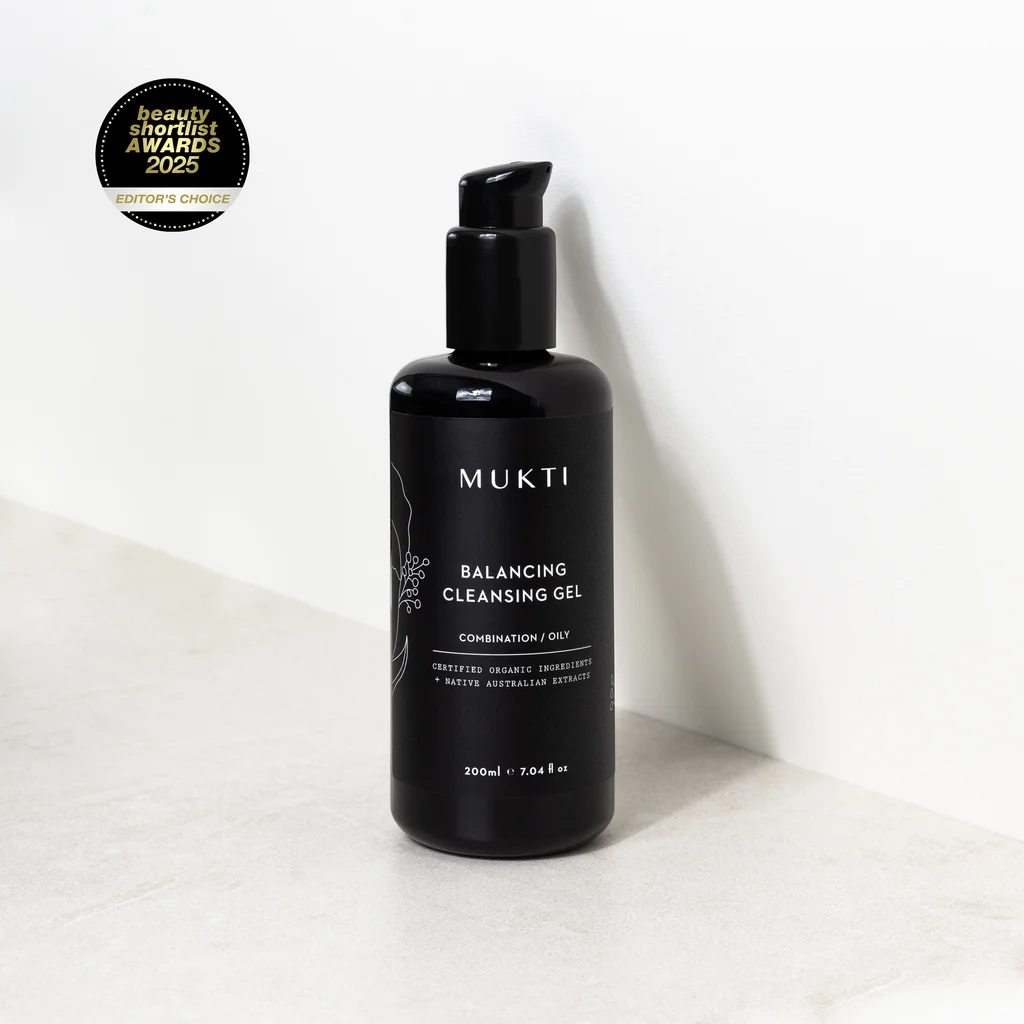
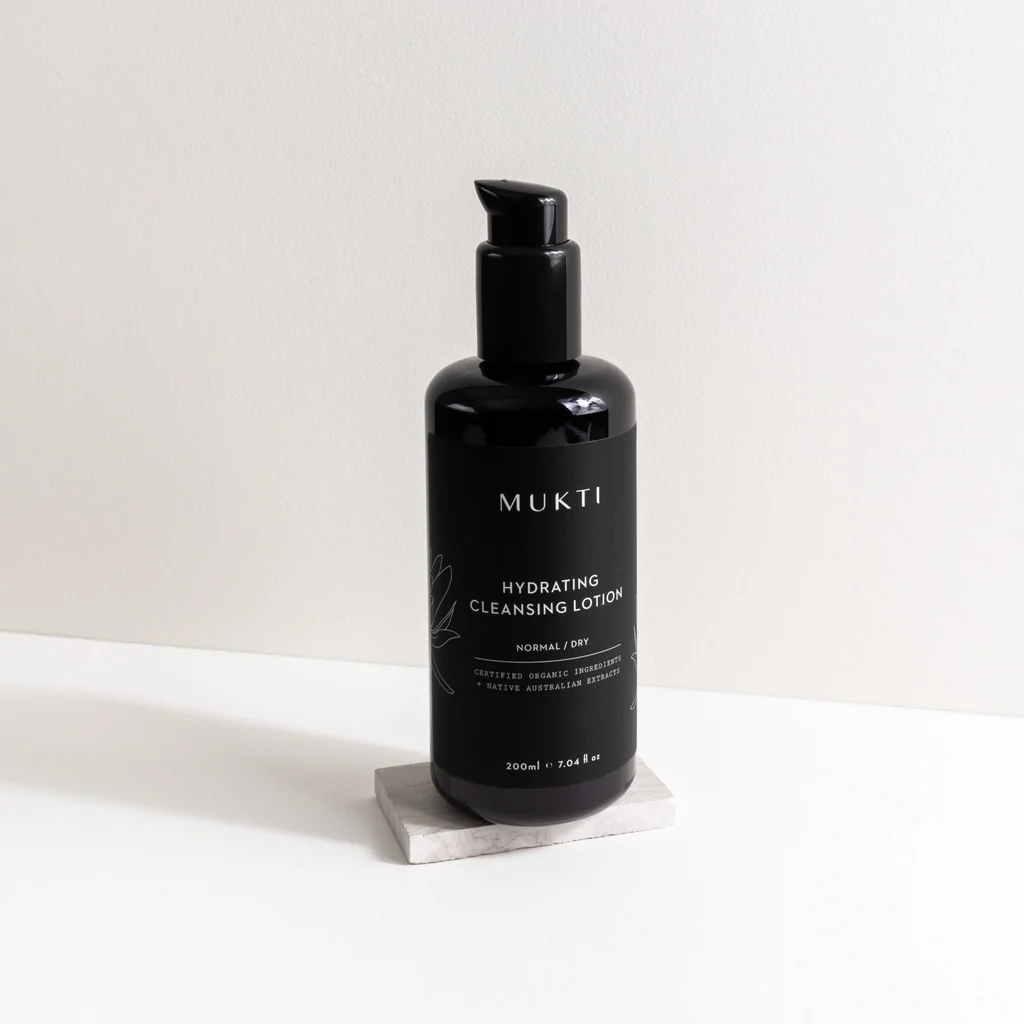
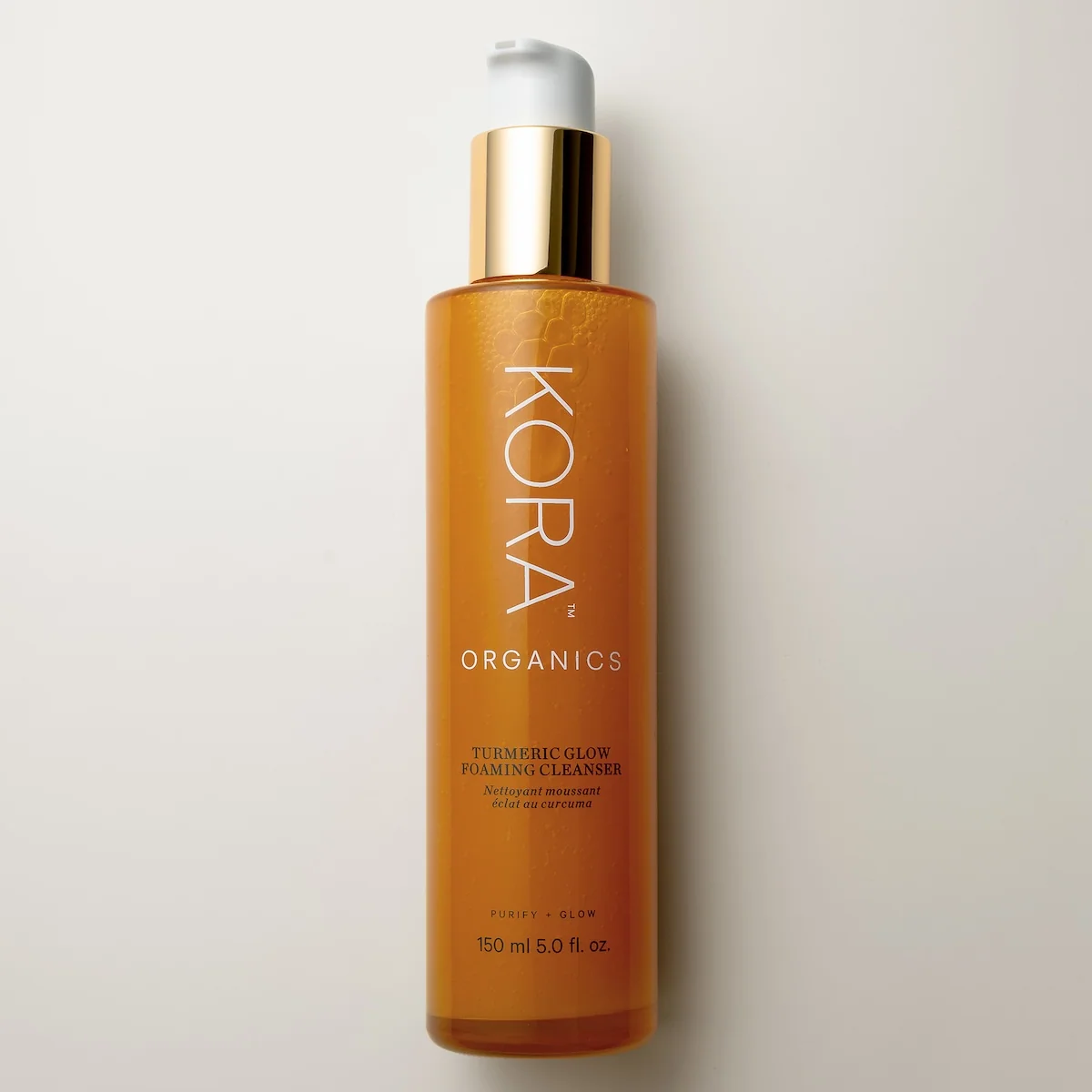
About Cleanser
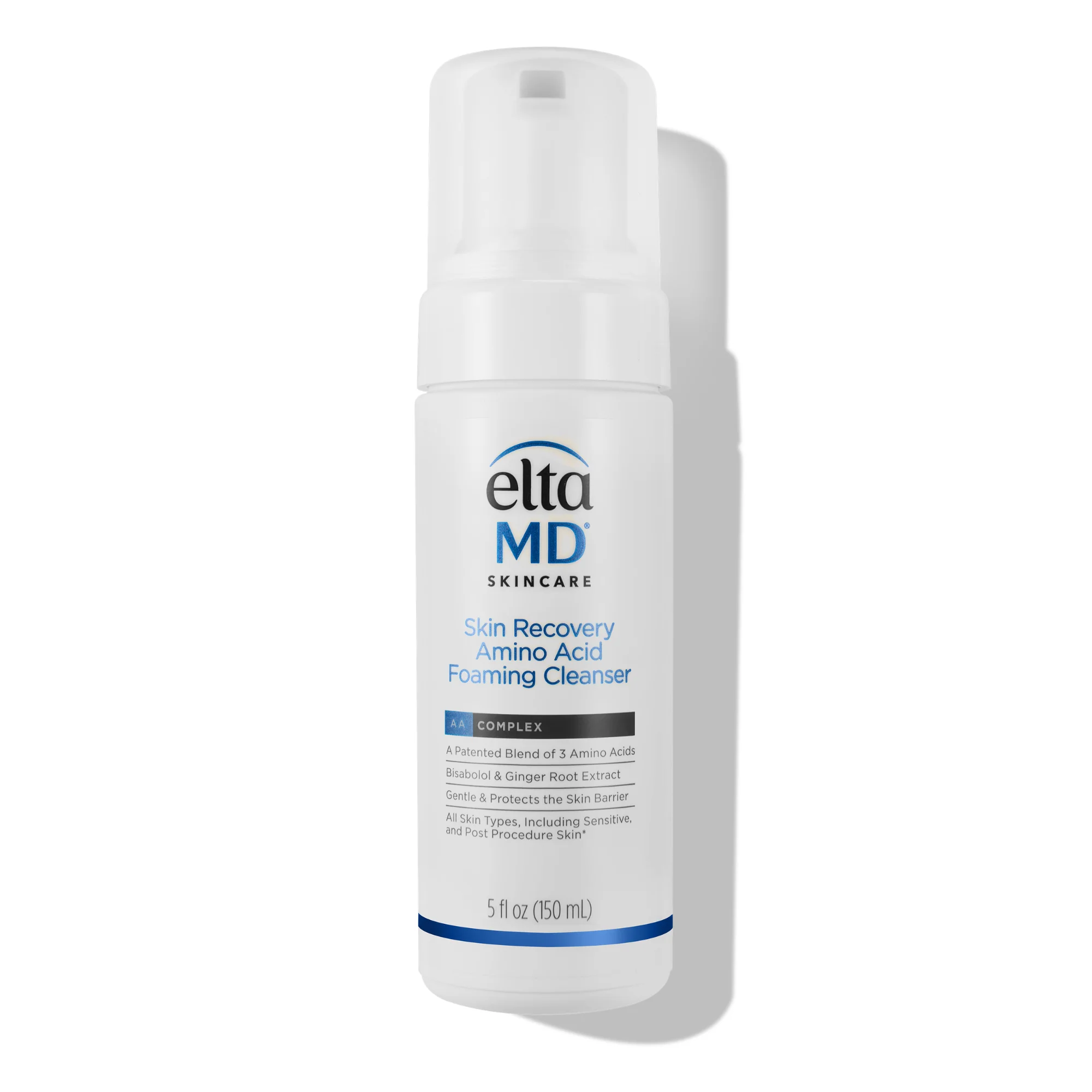
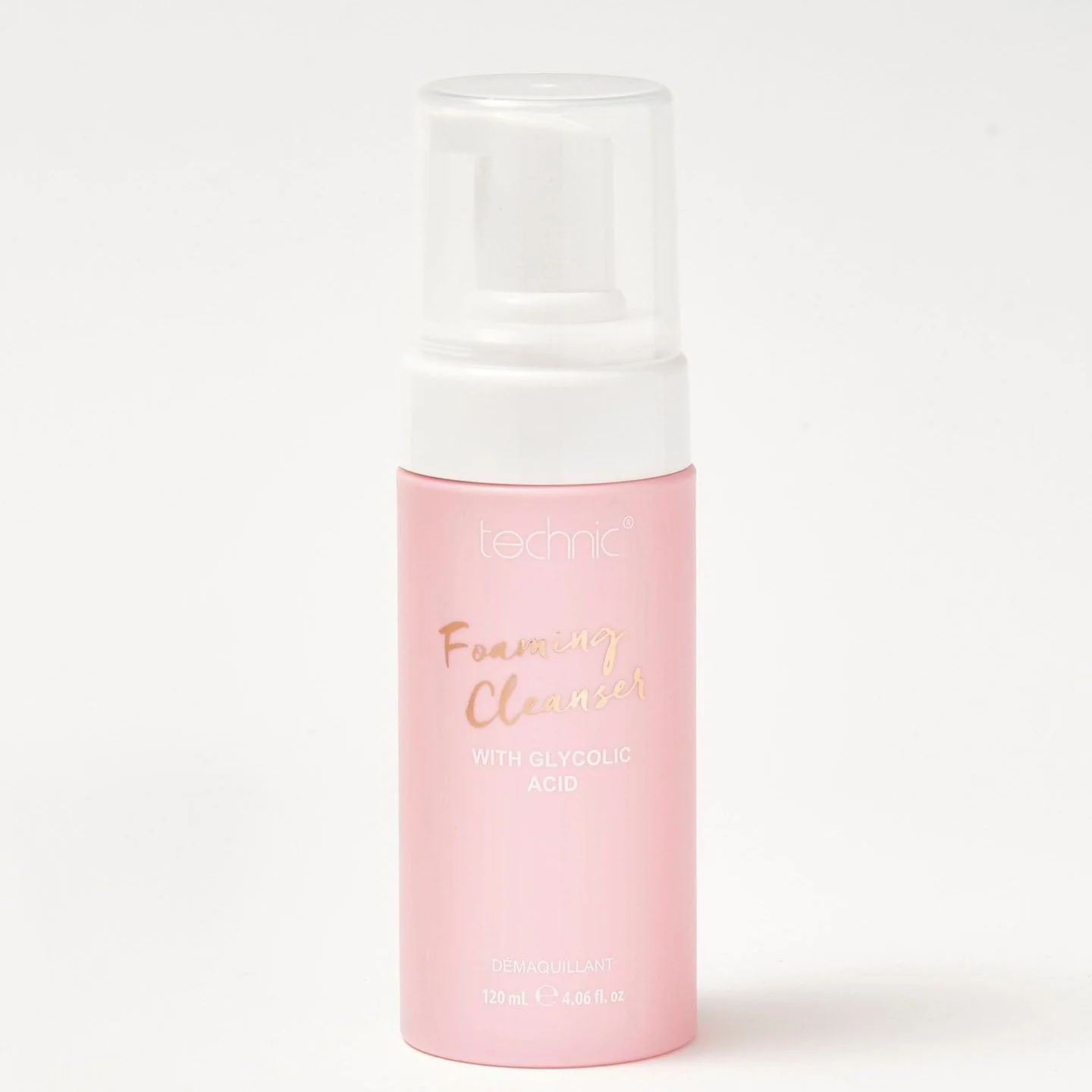
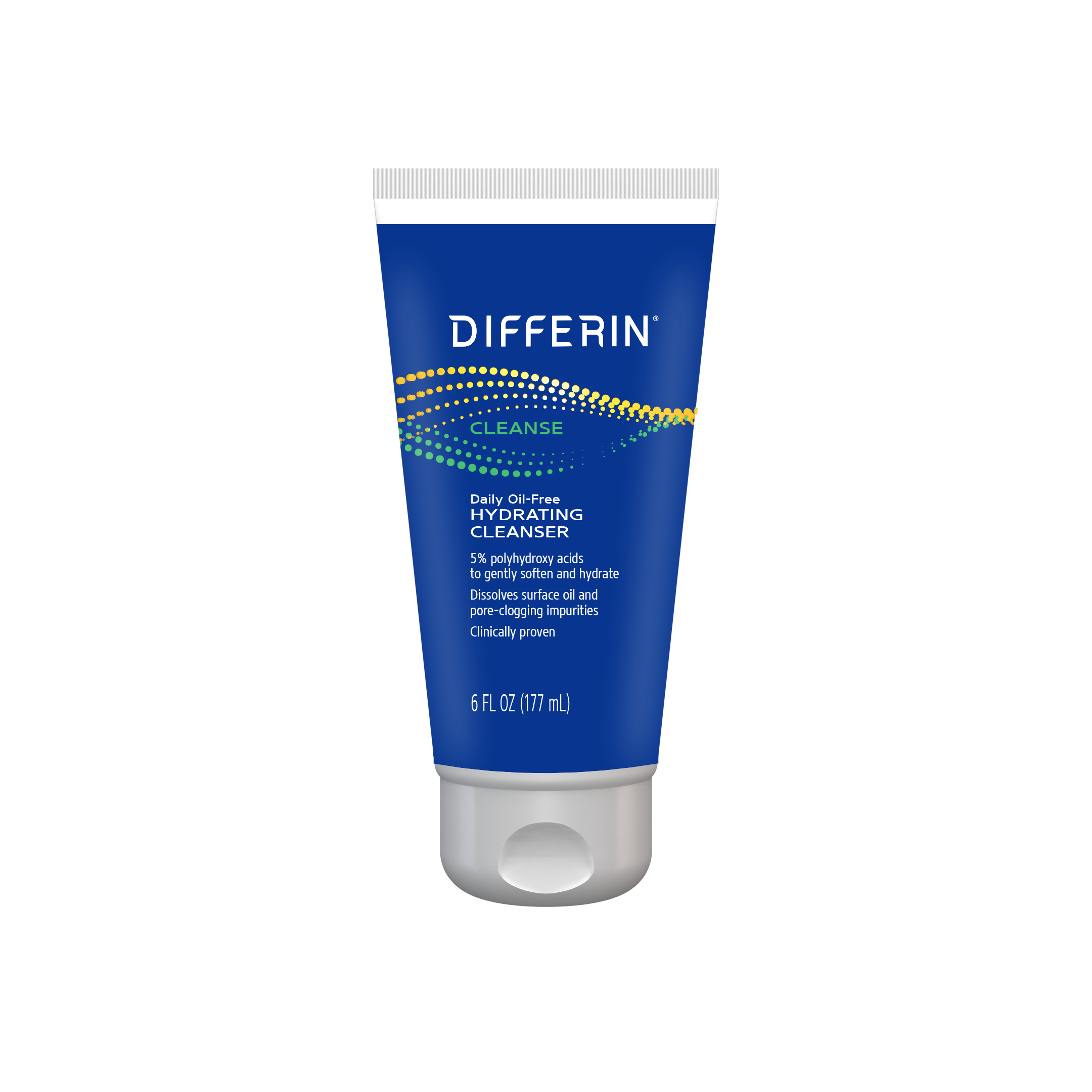
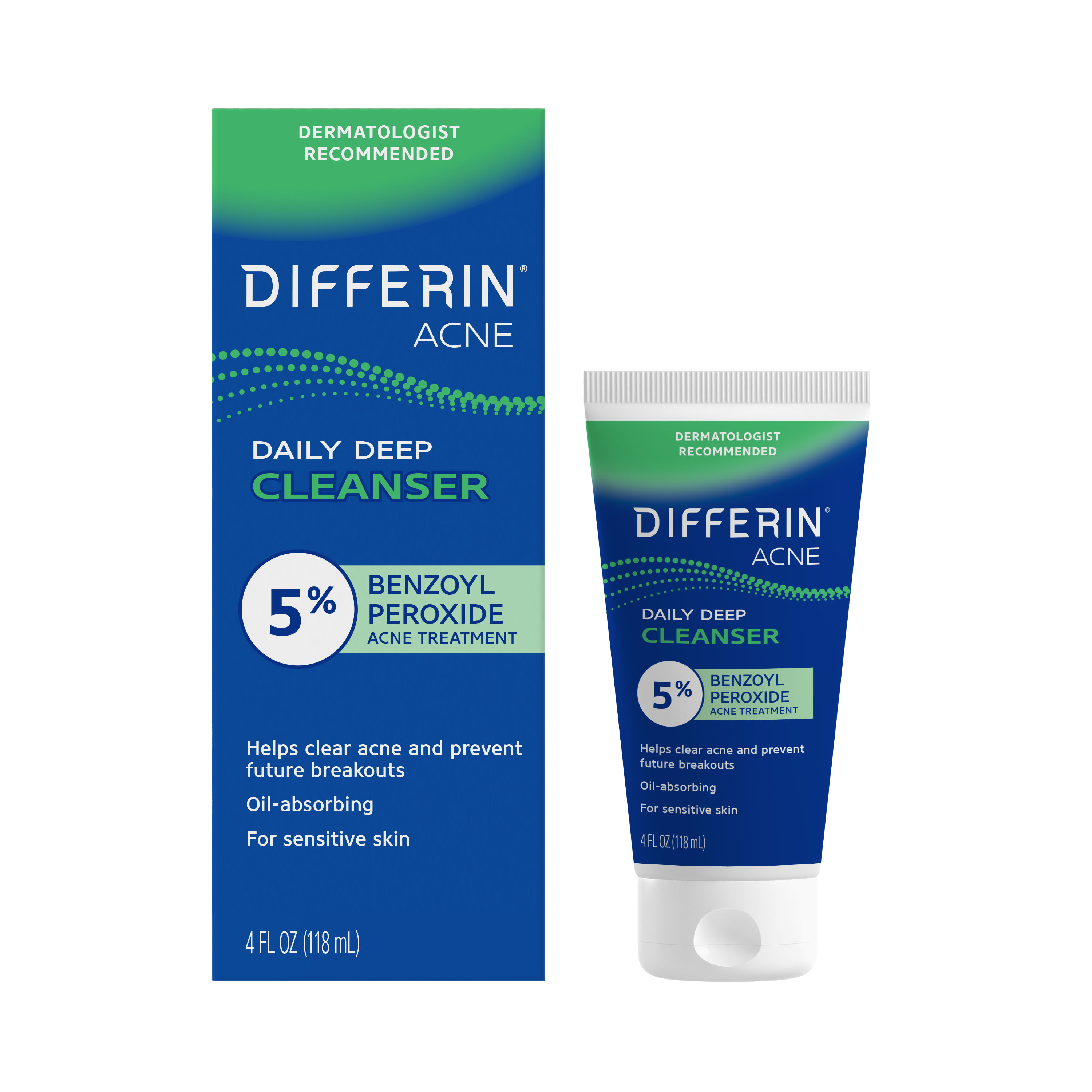
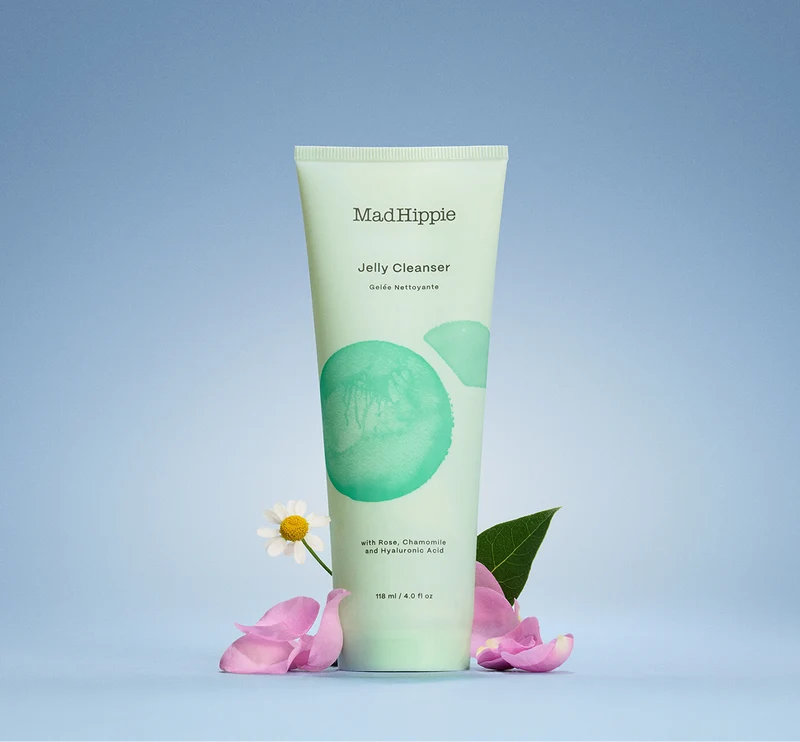
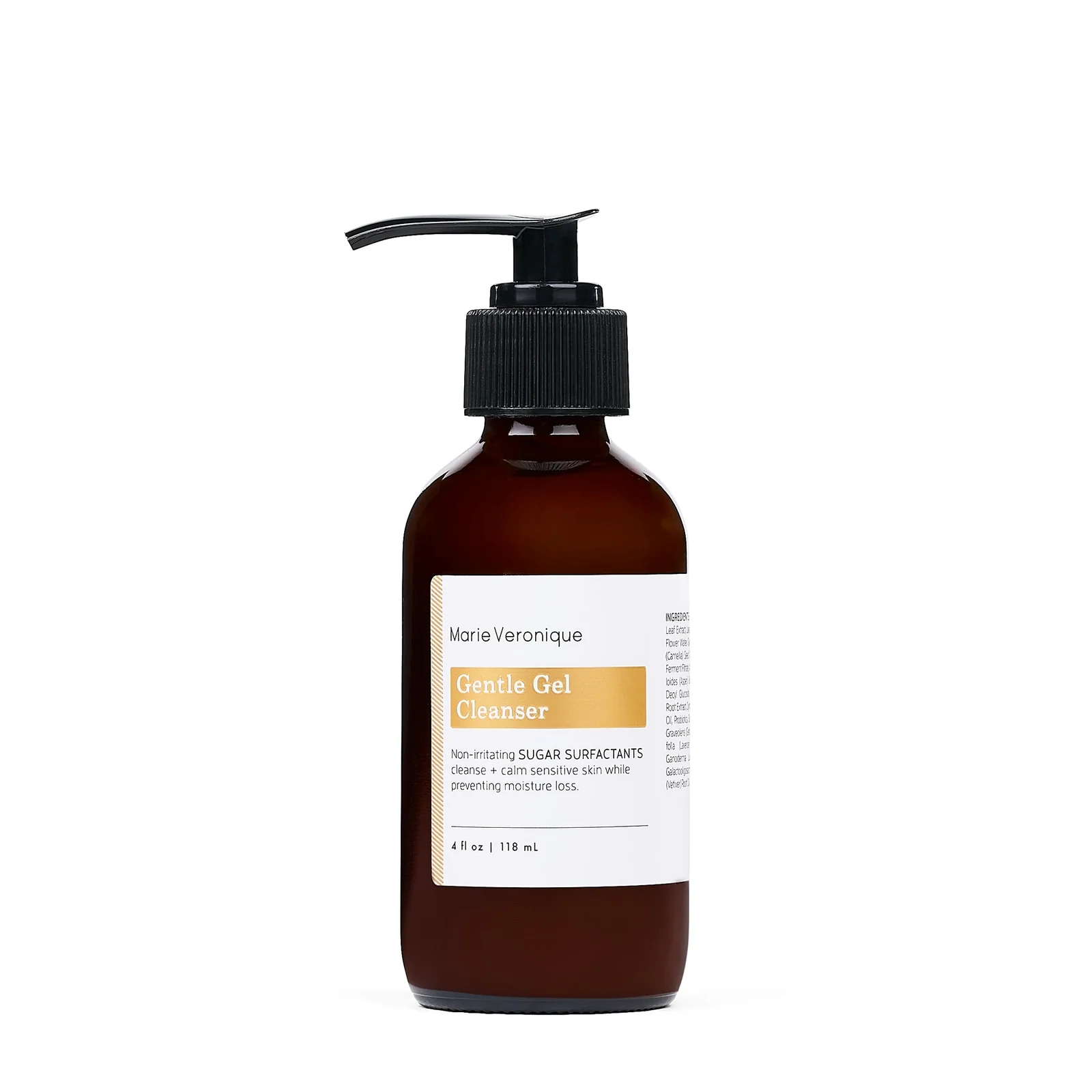
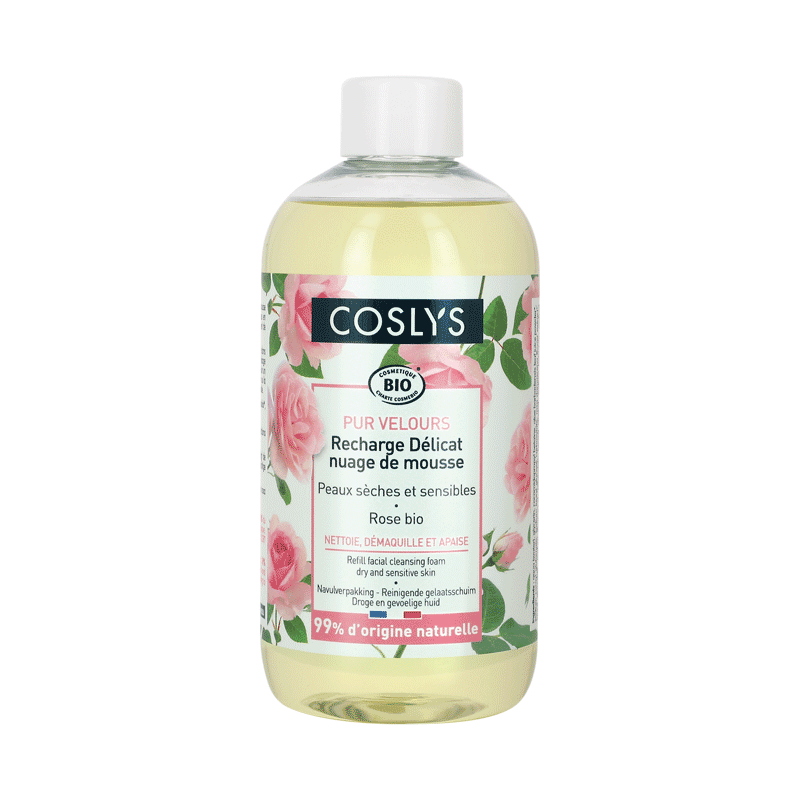
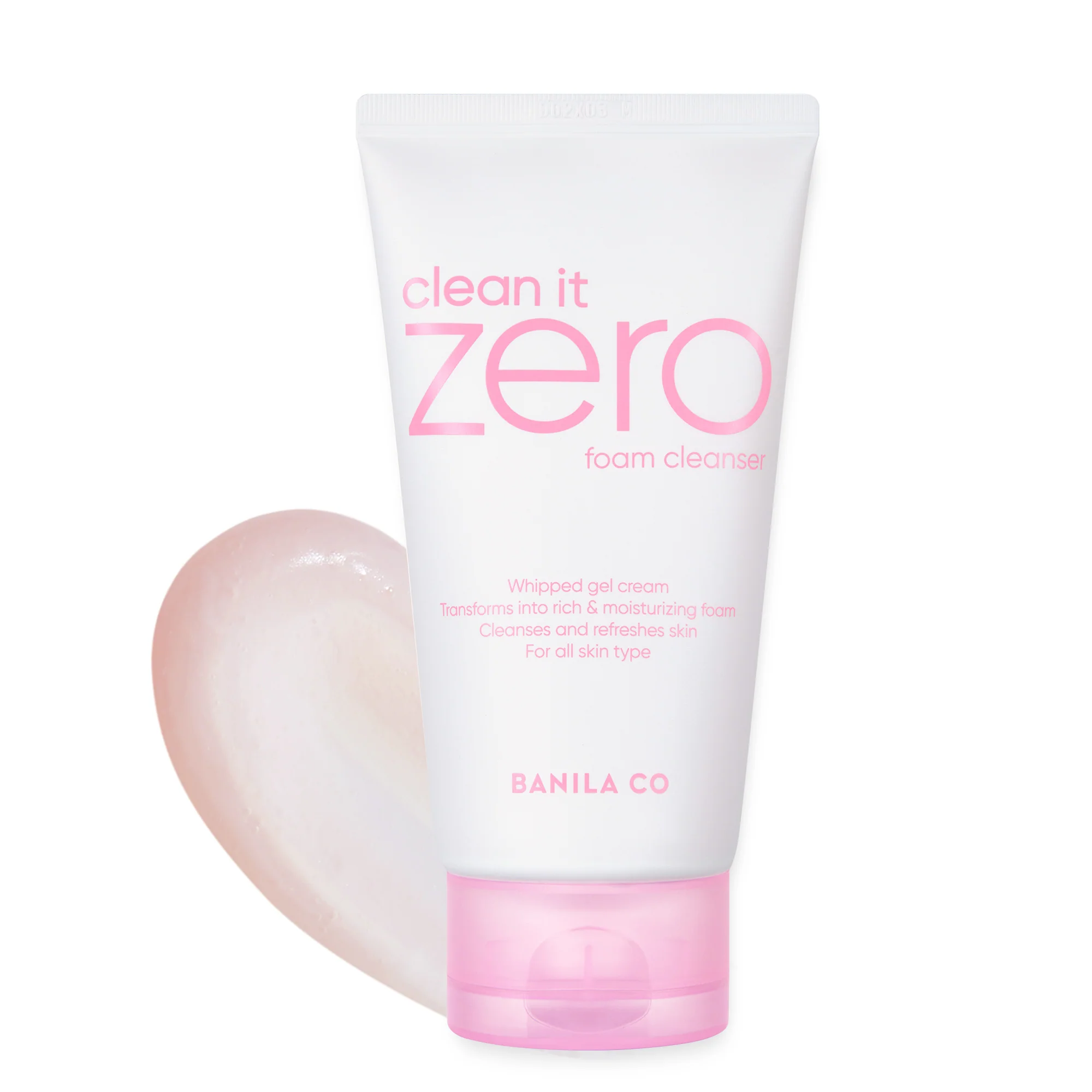
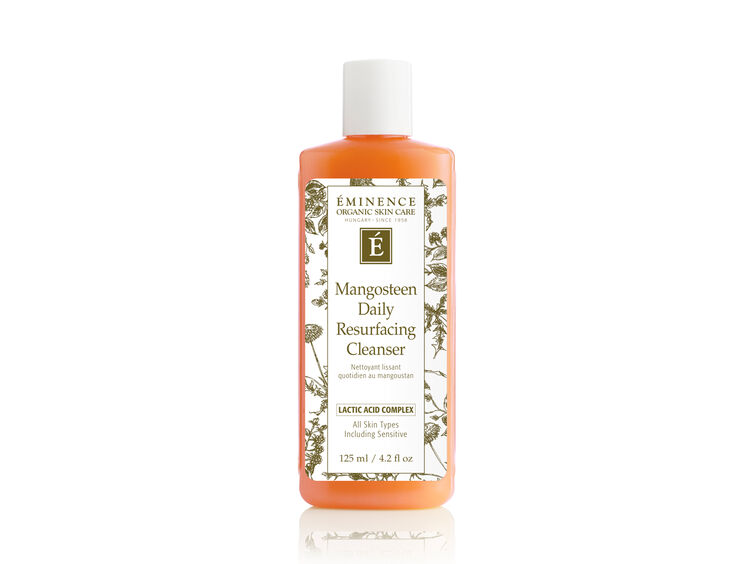
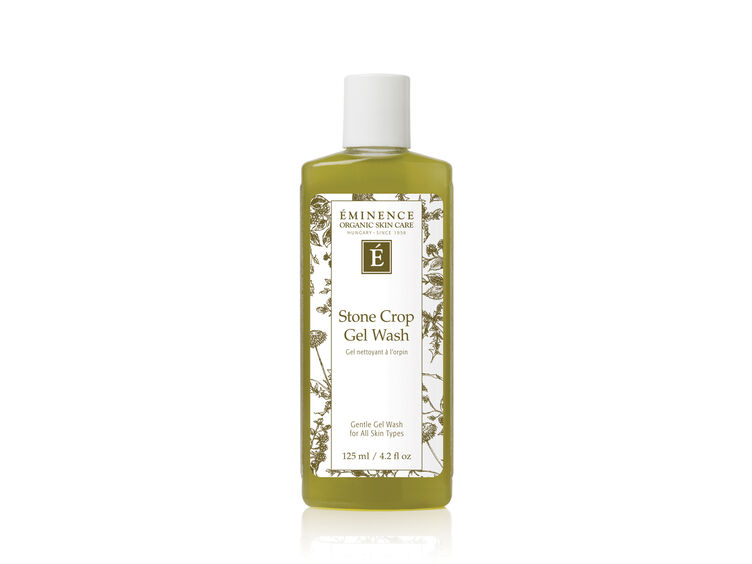
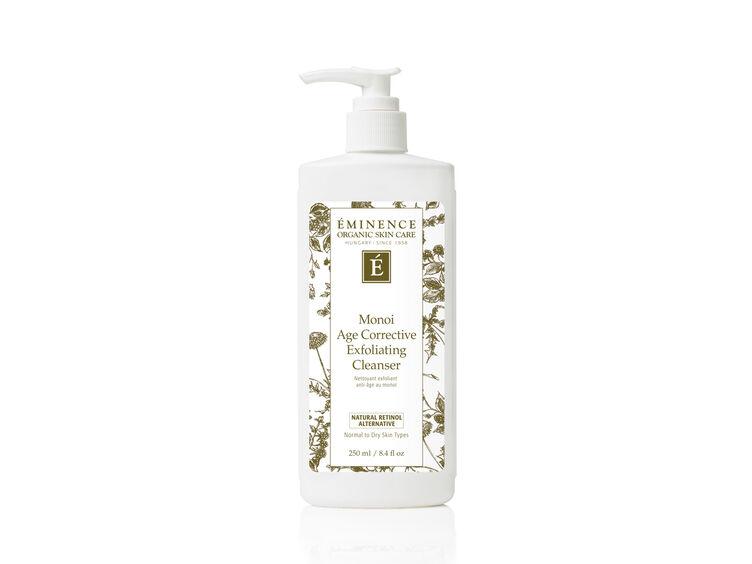
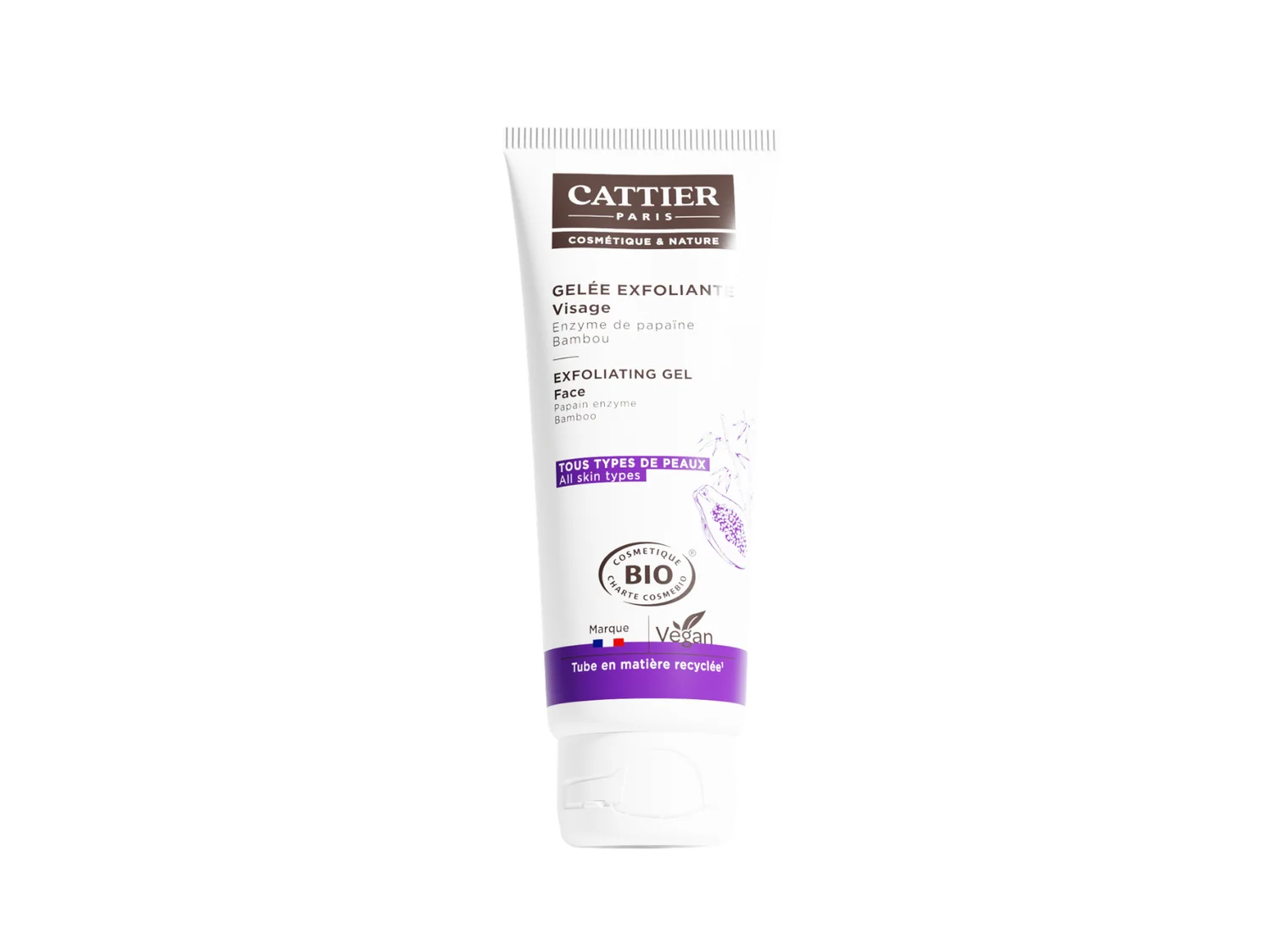
Facial cleanser removes sunscreen, excess oil, sweat and daily residue from the skin. Foaming gels, creams, milks and low-lather cleansers can all clean effectively, but they leave different levels of slip and softness behind. Surfactant type and concentration matter more than the amount of foam: a highly foaming cleanser is not automatically deeper or better. Dry and sensitive skin often prefers gentler formulas, while oily skin may enjoy a lighter rinse-off feel without needing to be stripped. The ideal cleanser leaves the face comfortable enough that moisturizer feels supportive rather than corrective. Skin tolerance can also change with season, climate and the use of other active products, so a formula that feels balanced in one routine may need adjusting in another. Texture is also part of function. A watery serum can deliver humectants with almost no occlusion, while a cream can combine water-binding ingredients with lipids and film-formers that slow moisture loss. Two products aimed at the same concern may therefore fit very different routines depending on what is layered before and after them. Ingredient percentages can be useful when a brand discloses them, but they are not a complete measure of performance. Vehicle, pH, stability, supporting ingredients and how often the product is used can matter just as much. A well-balanced formula at a moderate concentration may be easier to use consistently than a stronger product that repeatedly causes irritation.