
Blush
About Blush
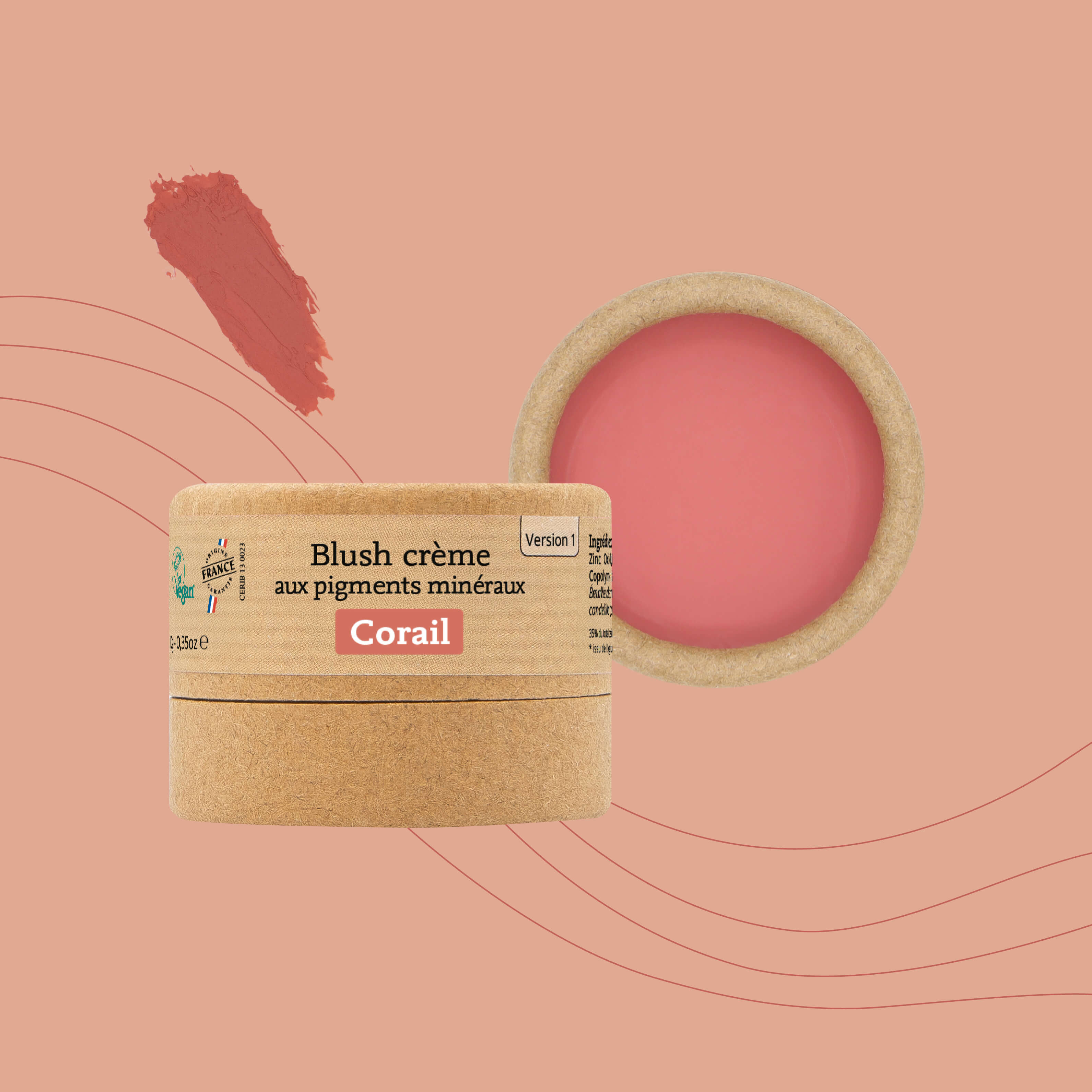
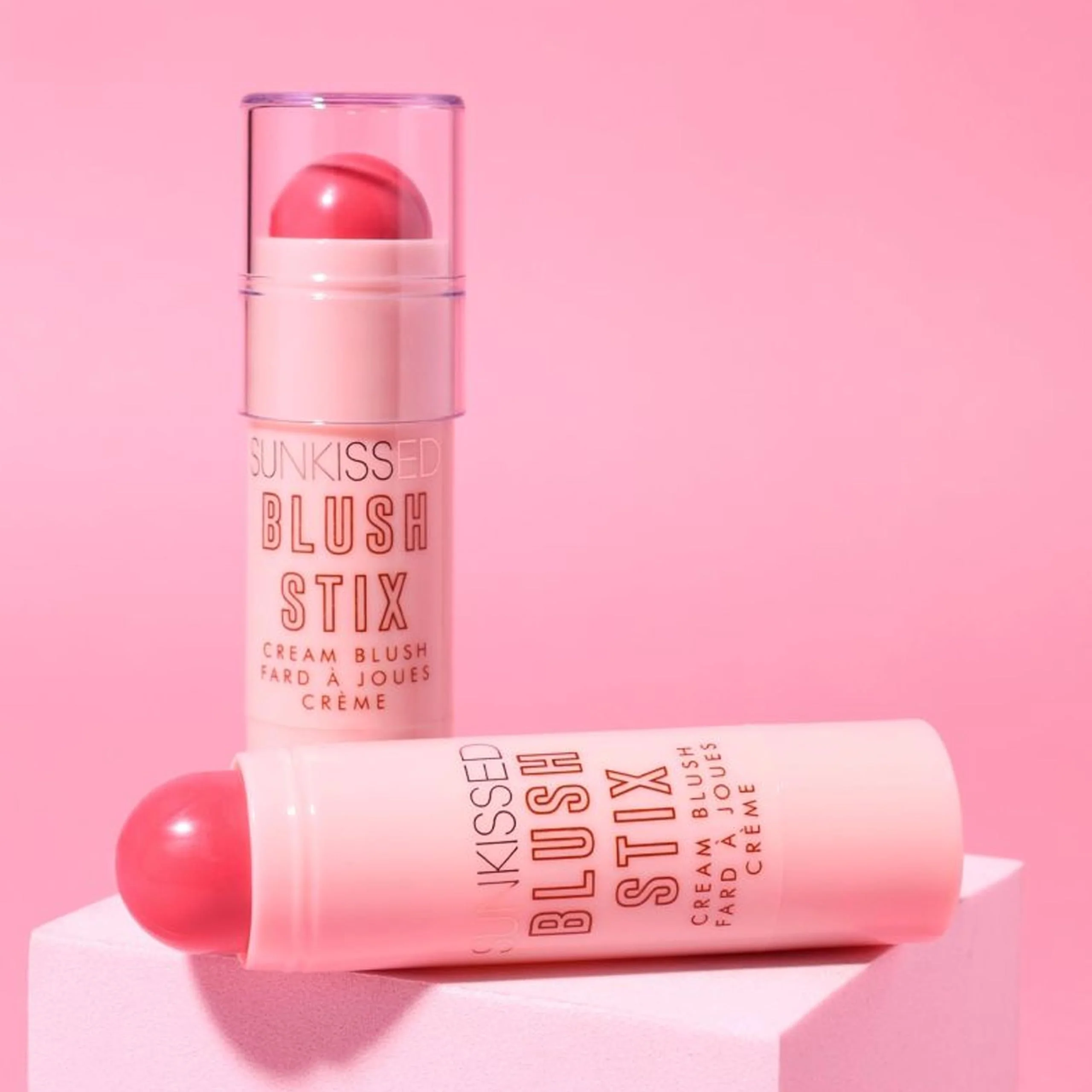
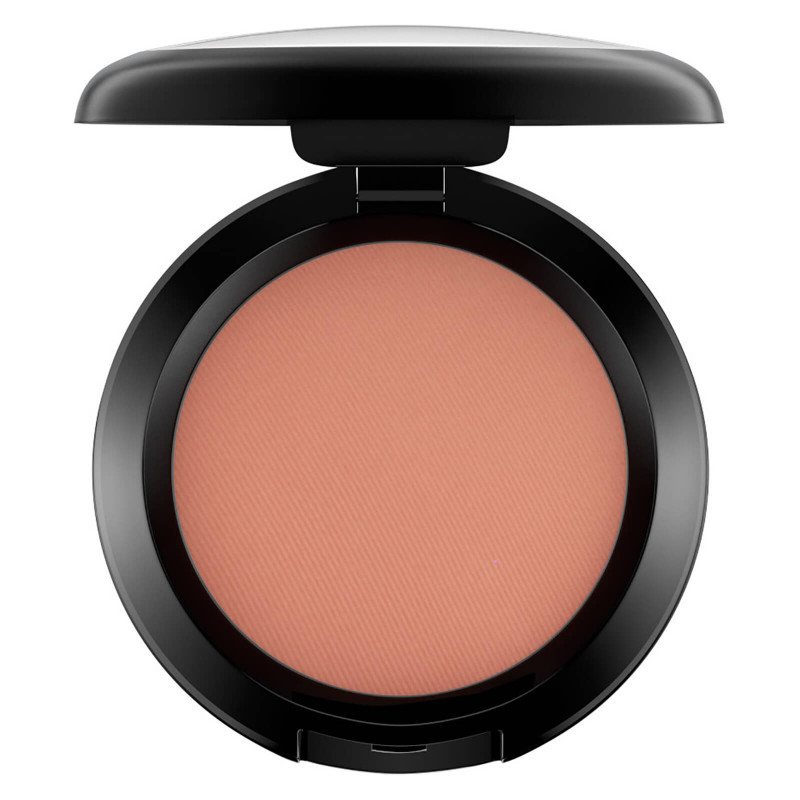
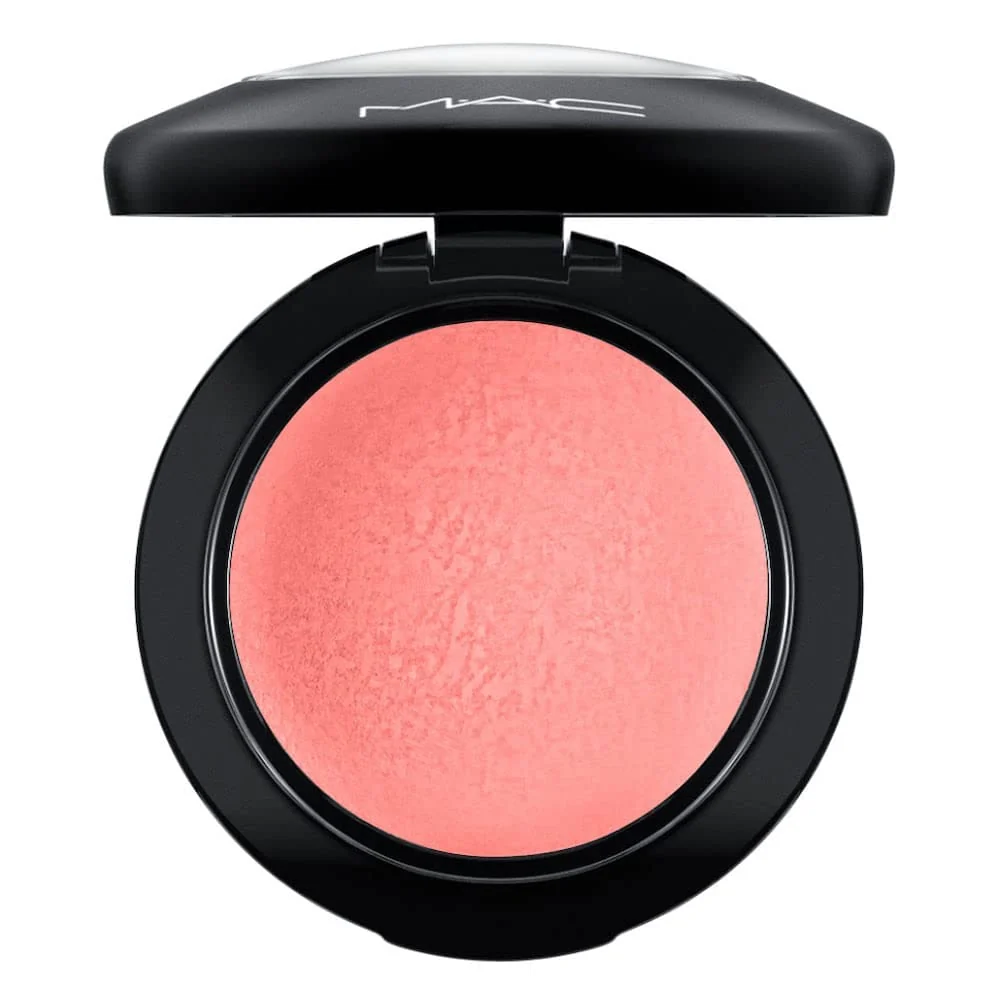
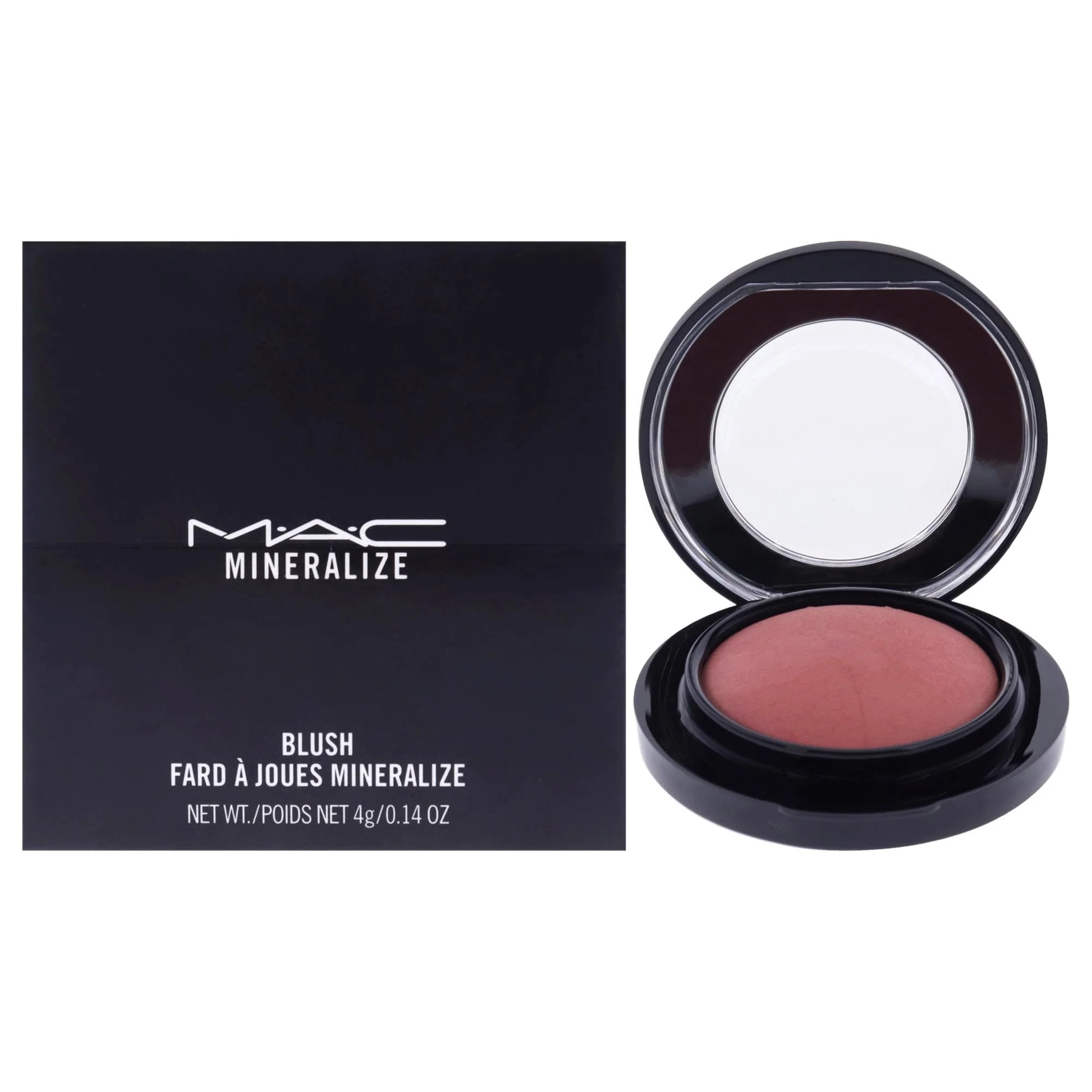
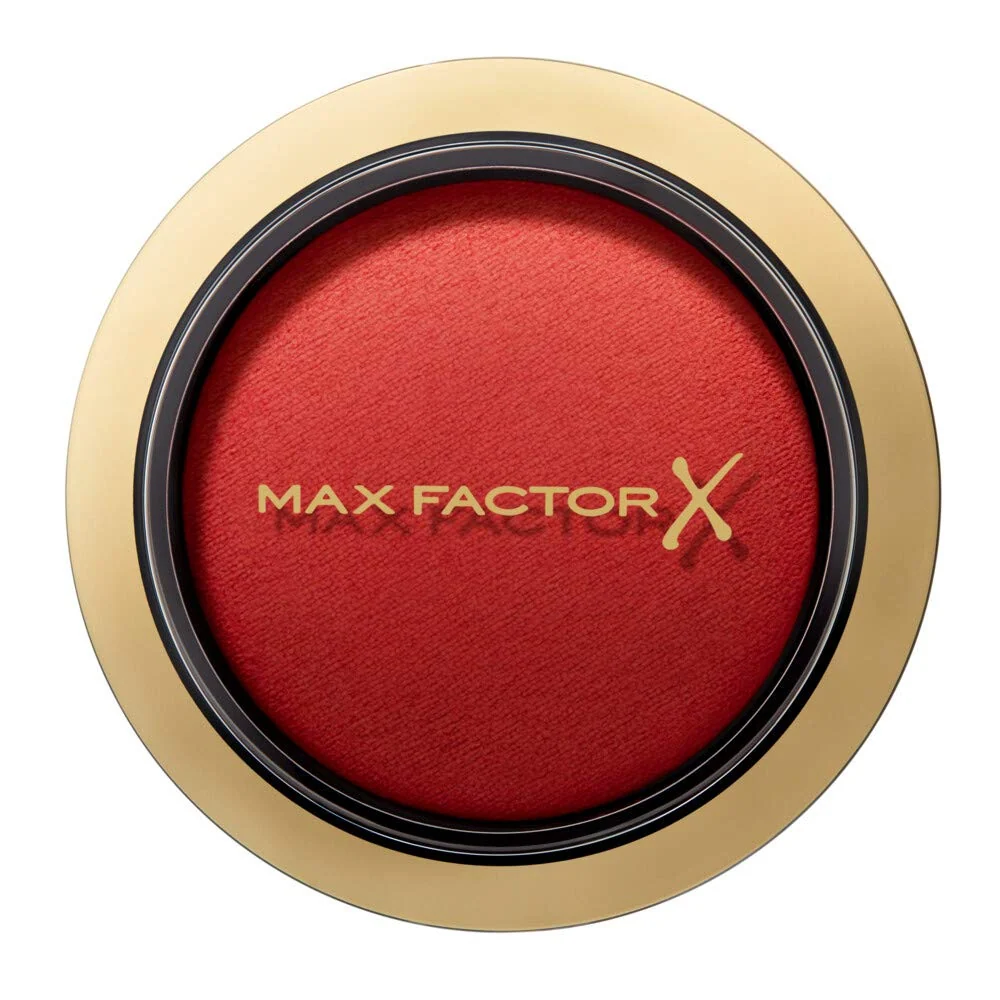
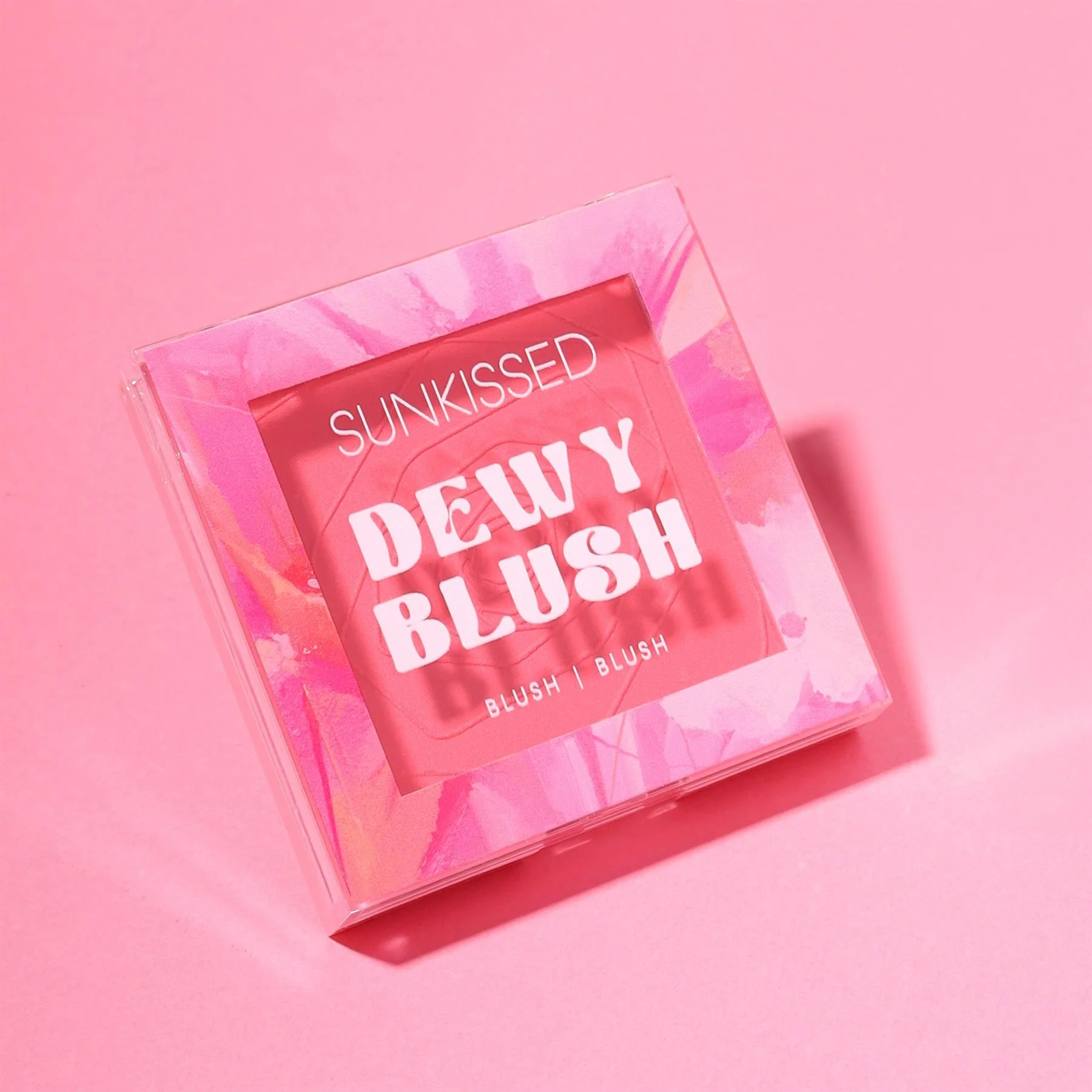
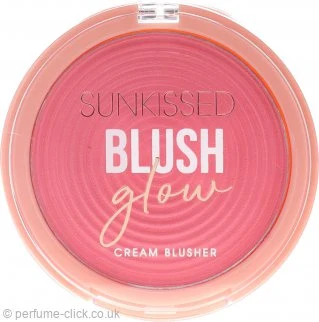
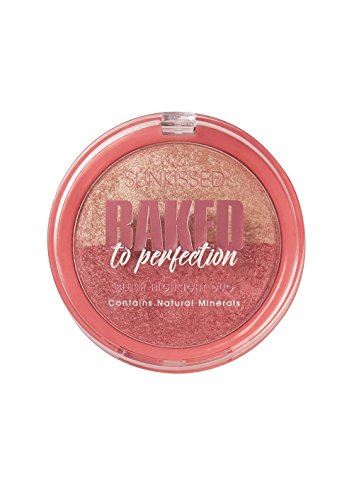
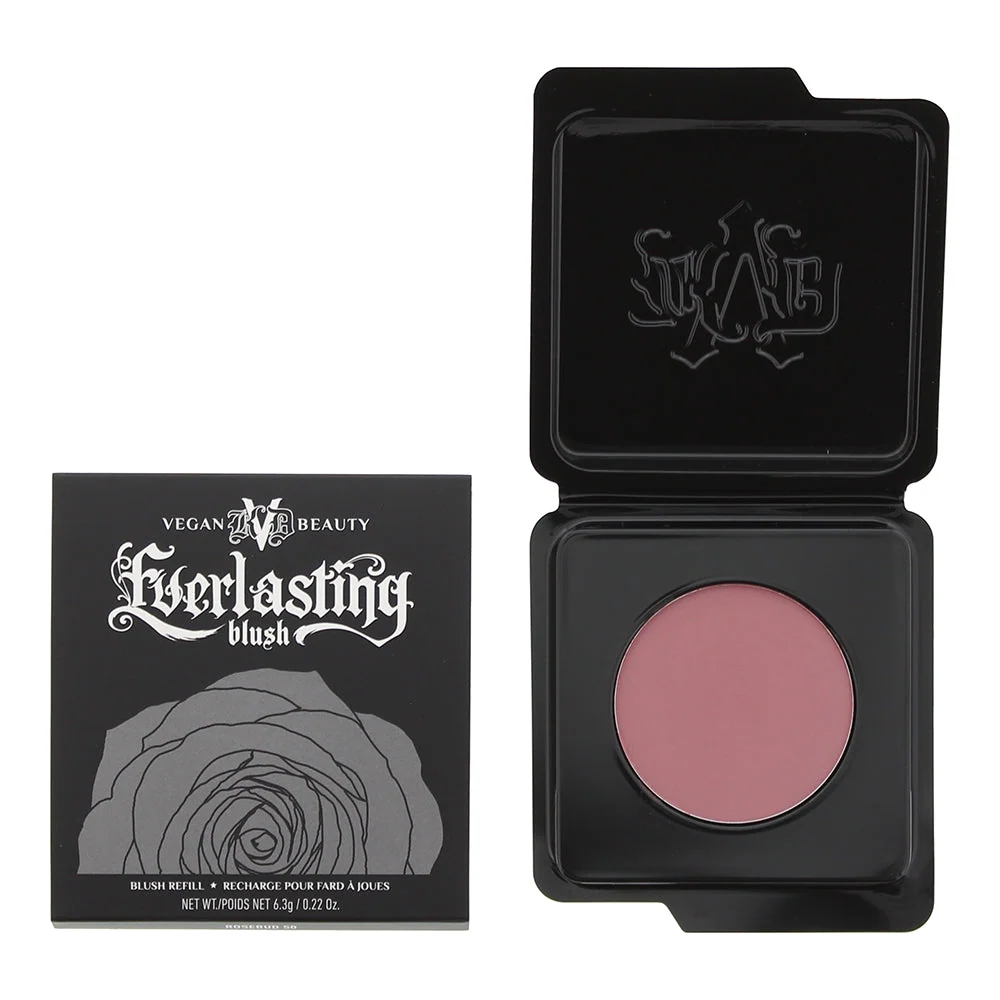
Blush adds color to the cheeks and can change the balance of the face depending on shade, placement and finish. Powder blushes are easy to layer and suit a wide range of looks, while creams, liquids and sticks can create a more seamless or dewy effect. Pigment concentration, undertone and base texture influence how a blush blends and how quickly intensity builds. Matte finishes give straightforward color, whereas shimmer and satin formulas reflect more light. Application with a light hand is often more forgiving than choosing a formula solely by how vivid it appears in the pan. Undertone, skin preparation and the tools used for application can shift the finished result as much as the shade or texture itself. Color theory matters quietly in everyday makeup. Undertone influences whether a foundation disappears into the skin, whether a blush looks fresh or muddy, and whether a lip shade reads warm, cool or neutral. The most wearable option is not always the shade that looks most dramatic in the package, but the one that works with the rest of the face. Long-wear formulas trade flexibility for durability in different ways. Volatile solvents, film-forming polymers and lower-emollient textures can improve transfer resistance, while richer oils and waxes usually increase comfort and blendability. Neither approach is inherently better; the choice depends on finish, wear time and how the product feels after several hours.